Introduction to 3-Wire 18mm Proximity Sensors
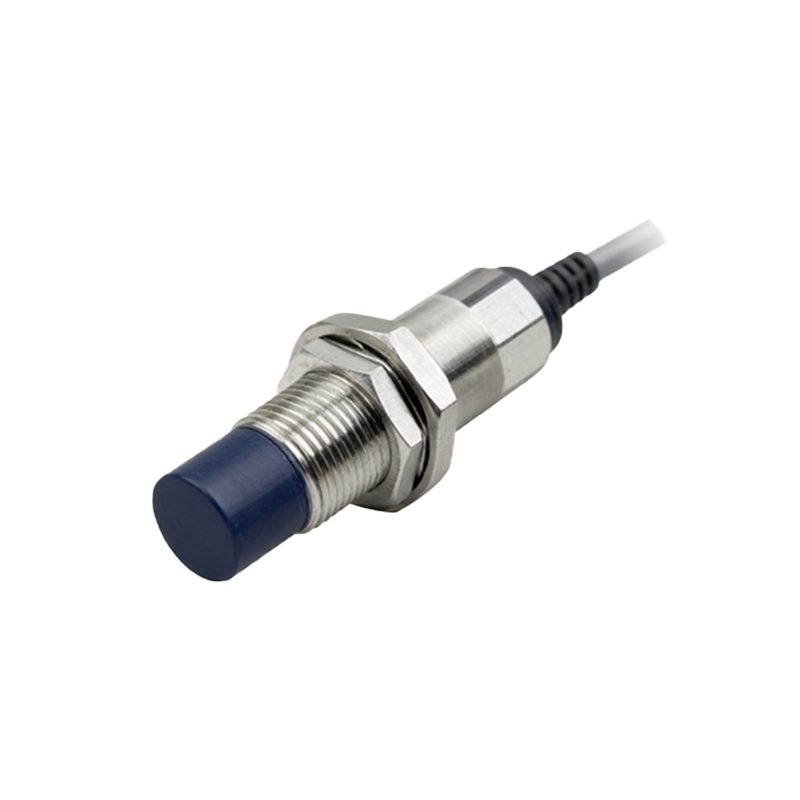
Proximity switch sensors, particularly the 3-wire 18mm variant, are fundamental components in modern industrial automation. These non-contact sensing devices are engineered to detect the presence or absence of metallic objects without any physical interaction. The "18mm" designation refers to the cylindrical housing diameter, a standard size that offers an optimal balance between sensing range, physical robustness, and installation flexibility. The 3-wire configuration is the most prevalent in DC-powered systems, providing a straightforward interface with programmable logic controllers (PLCs) and other control units. Their primary function is to convert positional information into a reliable electrical signal, forming the backbone of countless positioning, counting, and safety applications across manufacturing, packaging, and material handling sectors.
Core Operating Principles and Technologies
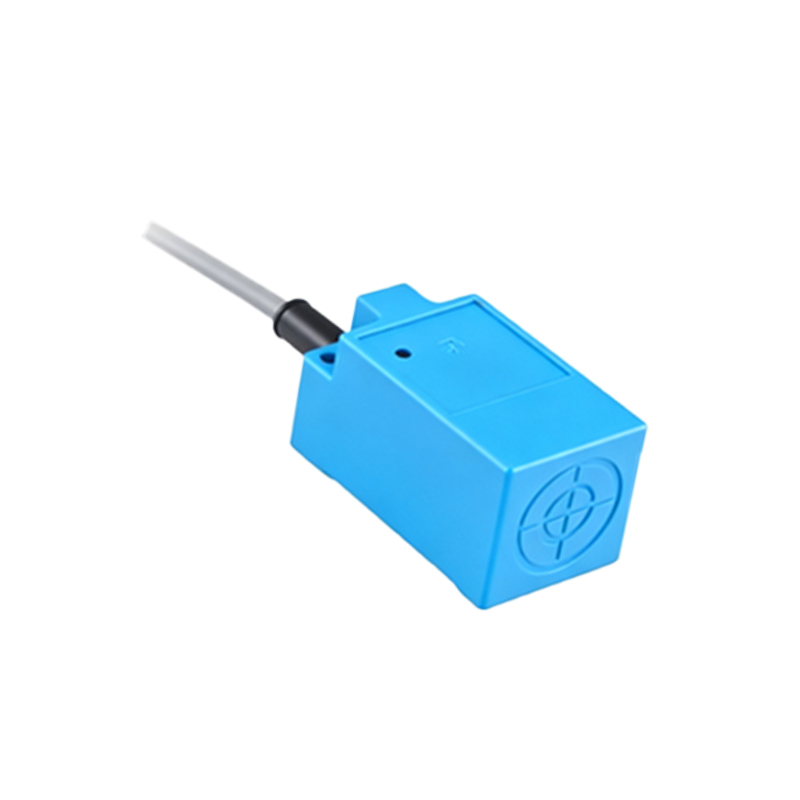
The 18mm 3-wire proximity sensor typically operates on one of two core principles: inductive or capacitive sensing. Inductive sensors are the most common for this form factor and are exclusively used for detecting metallic objects, primarily ferrous metals like steel and iron. They generate an oscillating electromagnetic field from the sensing face. When a conductive metal target enters this field, it induces eddy currents, which dampen the oscillation. The sensor's internal circuitry detects this damping and triggers a solid-state switch. Capacitive versions, less common in the 18mm metal-bodied format, can detect both metallic and non-metallic materials by sensing changes in capacitance. The 3-wire design includes wires for DC power supply positive (typically brown), DC power supply negative/ground (blue), and the switched output signal (black for NPN, blue for PNP).
Wiring Configuration: NPN vs. PNP Sinking and Sourcing
Understanding the wiring and output type is critical for correct integration. The 3-wire 18mm sensor comes in two fundamental transistor-output types: NPN and PNP. An NPN sensor, often described as a "sinking" sensor, switches the negative or ground line to the load. In this configuration, the load (e.g., a PLC input) is connected to the positive supply, and the sensor output connects the load to ground when activated. Conversely, a PNP sensor, or "sourcing" sensor, switches the positive voltage line. Here, the load is connected to ground, and the sensor provides the positive voltage when activated. The choice between NPN and PNP is dictated by the control system's input card specifications and regional electrical conventions, with PNP being more common in Europe and NPN in some Asian markets.
Key Performance Specifications and Selection Criteria
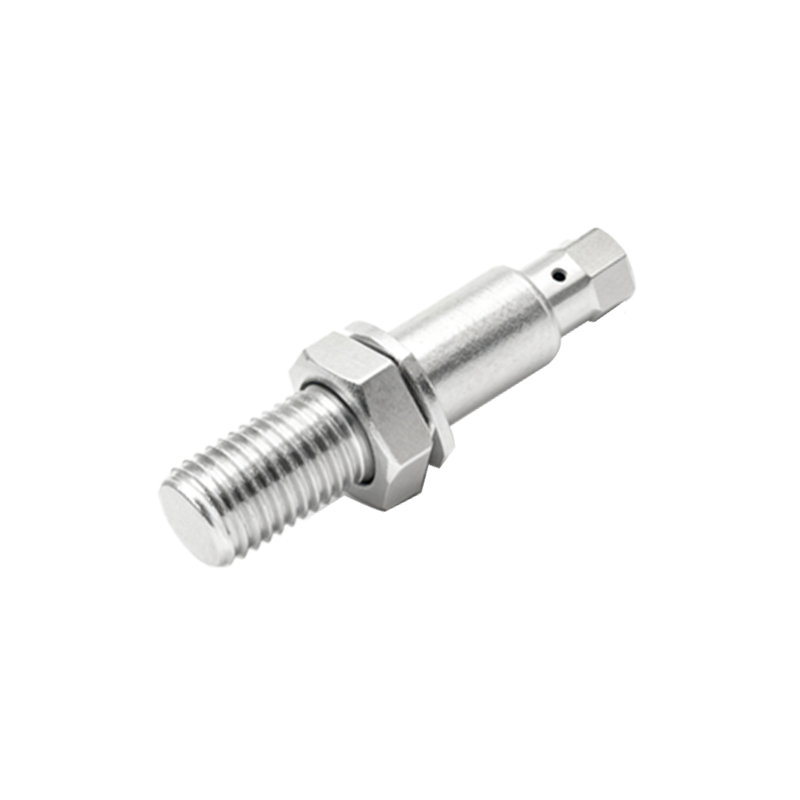
Selecting the correct 18mm 3-wire proximity sensor requires careful analysis of its specifications. The rated sensing distance (Sn), such as 5mm or 8mm for an 18mm inductive unit, is defined for a standard mild steel target. Engineers must consider factors like reduction factors for different metals (e.g., stainless steel, aluminum). The operating voltage range (commonly 10-30V DC), current consumption, and switching frequency (response time) are vital for system compatibility. Environmental ratings are paramount; a high Ingress Protection (IP) rating like IP67 or IP69K ensures reliability against dust and water ingress. Other critical parameters include housing material (often nickel-plated brass or stainless steel), temperature range, output current capacity, and short-circuit and reverse polarity protection features.
Installation, Mounting, and Alignment Best Practices
Proper installation is essential to achieve the stated performance and longevity. For 18mm cylindrical sensors, standard mounting involves drilling an 18mm hole and securing the unit with two locknuts, allowing for precise adjustment of the sensing face's protrusion. Flush-mountable and non-flush-mountable designs exist; non-flush types offer a longer sensing range but require lateral clearance from the mounting surface. Maintaining the correct lateral and axial gap between the sensor face and the target is crucial. Factors like target material, size, and approach angle can affect performance. Engineers should also ensure adequate electrical installation, including the use of shielded cables in electrically noisy environments and proper strain relief.
Common Industrial Applications and Use Cases
The versatility of the 3-wire 18mm proximity sensor makes it ubiquitous. In automated machinery, it is used for end-of-travel detection on cylinders, verifying part presence in fixtures, and spindle positioning. On conveyor systems, these sensors count passing items, detect jams, and confirm product placement. They serve as vital components in rotary encoders for speed monitoring. In robotic cells, they provide precise positional feedback for grippers and arms