Understanding Smart Photoelectric Sensors
Smart photoelectric sensors are advanced devices that utilize light beams to detect the presence, absence, or distance of objects. Unlike traditional sensors, they incorporate microprocessors and communication interfaces, enabling features such as self-diagnosis, adaptive sensing, and data exchange with control systems. These sensors typically emit infrared, visible, or laser light and measure changes in the reflected or transmitted beam to determine object characteristics. Their intelligence lies in the ability to process signals internally, adjust parameters automatically, and provide detailed feedback, making them essential for modern automation. By integrating with Industrial Internet of Things (IIoT) platforms, they facilitate predictive maintenance and real-time monitoring, enhancing overall operational efficiency.
Key Components and Setup Procedures
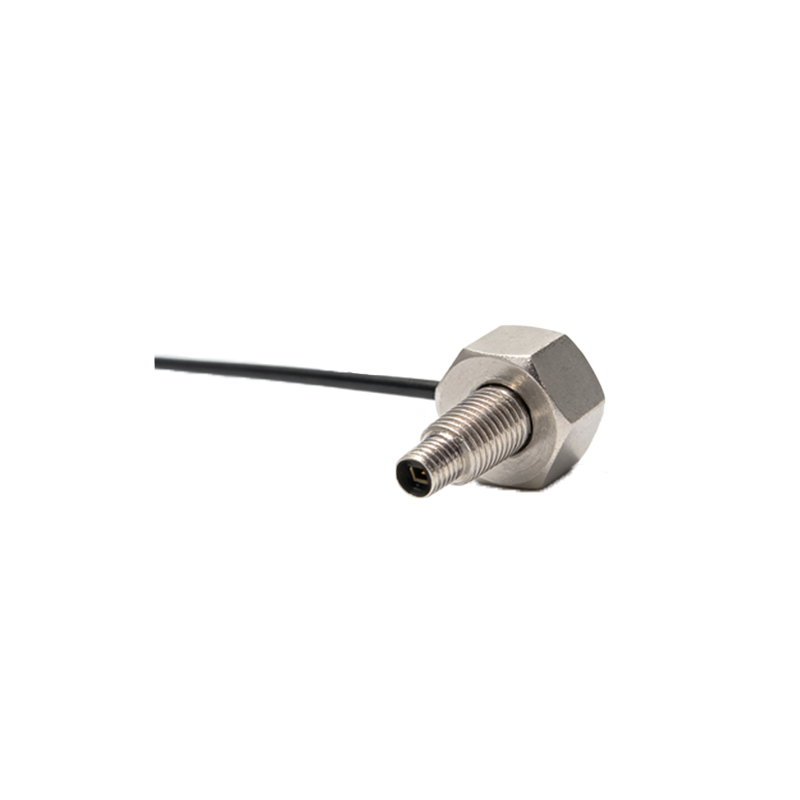
A typical smart photoelectric sensor consists of an emitter, receiver, lens, and embedded electronics. The emitter projects a light beam, while the receiver detects its intensity after interaction with objects. To set up, first, mount the sensor securely in the desired location, ensuring it is aligned properly with the target area. Connect the power supply, usually ranging from 10-30 V DC, and wire the output to a PLC or controller via digital or analog interfaces. Use the sensor's configuration software or built-in buttons to adjust settings such as sensing range, response time, and output logic. Many models offer teach-in functions, allowing automatic calibration by pressing a button when the target is present. Always verify the environmental conditions, like ambient light and dust levels, to prevent interference.
Configuring Sensing Modes for Different Applications
Smart photoelectric sensors support multiple sensing modes, each suited for specific tasks. In through-beam mode, the emitter and receiver are separate units; an object is detected when it breaks the light beam, ideal for long-range detection up to several meters. Retro-reflective mode uses a reflector to bounce light back to the receiver, suitable for medium distances and environments with obstructions. Diffuse mode relies on light reflecting directly from the object, perfect for close-range detection where mounting space is limited. Advanced models include background suppression and distance measurement modes, which use triangulation or time-of-flight principles to ignore irrelevant backgrounds or measure exact distances. Select the mode based on factors like object size, material, and required precision.
Integrating with Control Systems and Networks
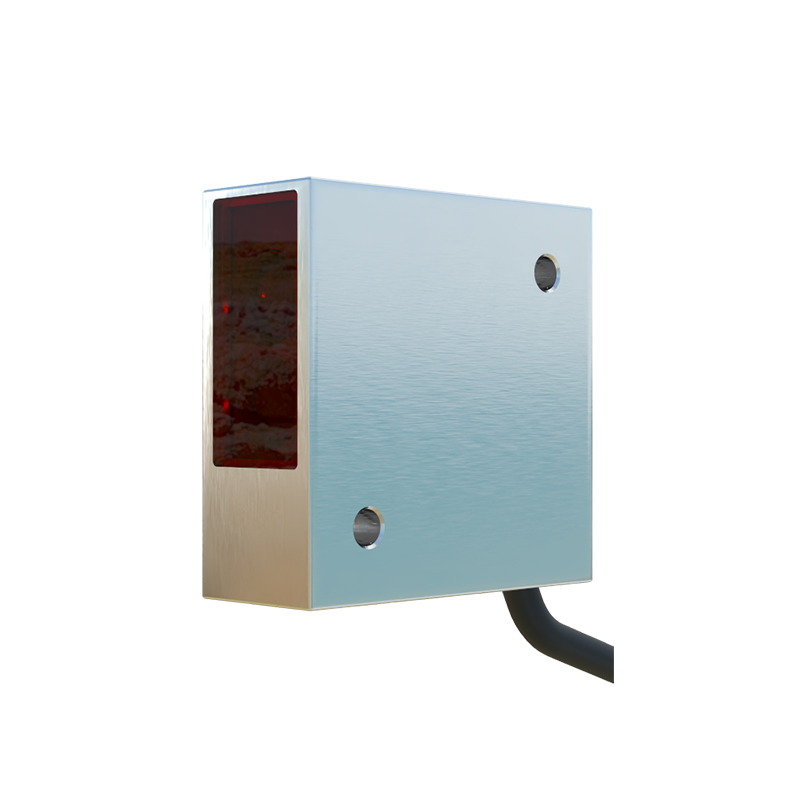
Integration is crucial for leveraging smart sensor capabilities. These sensors often support protocols like IO-Link, Ethernet/IP, or PROFINET, enabling seamless communication with PLCs, HMIs, and SCADA systems. To integrate, configure the sensor's address and parameters within the network using dedicated software tools. Set up data logging for parameters such as detection counts, signal strength, or temperature, which can be transmitted to cloud platforms for analysis. Implement alarm functions to trigger notifications for faults like lens contamination or misalignment. Ensure compatibility with existing automation frameworks by checking voltage levels and communication standards. Regular testing of the network connection helps maintain reliability in dynamic industrial settings.
Optimizing Performance and Troubleshooting Tips
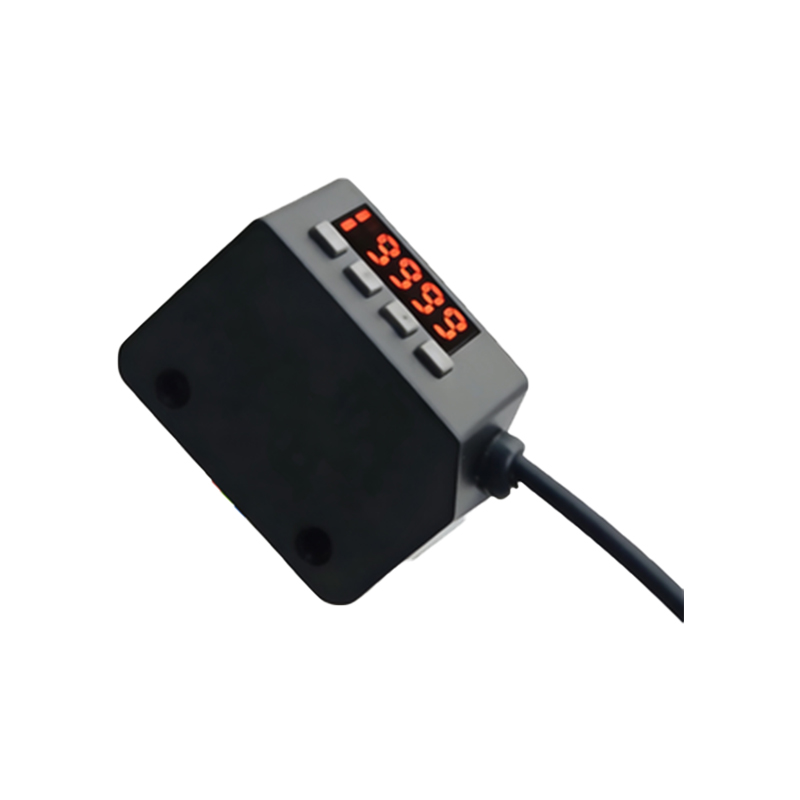
To optimize performance, regularly clean the lens to prevent dust buildup that can attenuate the light beam. Adjust the sensitivity settings to avoid false triggers from environmental factors like vibrations or stray light. Use shielding or filters in high-ambient-light areas. Monitor the sensor's diagnostic outputs via connected systems to preempt failures. Common issues include no detection, intermittent signals, or incorrect distance readings. Troubleshoot by checking power connections, verifying alignment, and reviewing configuration parameters. If problems persist, consult the sensor's manual for error codes or reset the device to factory settings. Implementing preventive maintenance schedules based on usage data can extend sensor lifespan and reduce downtime.
Applications in Modern Industries
Smart photoelectric sensors are widely used across various sectors. In manufacturing, they enable precise object counting on conveyor belts, part positioning in assembly lines, and quality inspection by detecting defects. In packaging, they ensure correct fill levels and label placement. Automotive industries rely on them for robot guidance and safety curtain monitoring. Logistics applications include warehouse automation for parcel sorting and inventory management. Their adaptability also benefits agriculture for crop monitoring and healthcare for equipment sterilization checks. By providing accurate, real-time data, these sensors contribute to increased productivity, reduced waste, and enhanced safety in automated environments.