Introduction to Level Sensing Proximity Sensors
Level sensing proximity sensors are critical components in modern industrial automation, designed to detect the presence or absence of liquids, solids, or granular materials without physical contact. These sensors operate on various principles, including capacitive, inductive, ultrasonic, and optical technologies, each suited to specific environmental conditions and material properties. By providing reliable, real-time data on material levels, they enable precise control over processes in industries such as chemical processing, water treatment, food and beverage, and pharmaceuticals. Their non-contact nature minimizes wear and tear, reduces maintenance costs, and enhances safety by preventing leaks, overflows, or run-dry situations in tanks, silos, and pipelines.
Key Technologies and Operating Principles
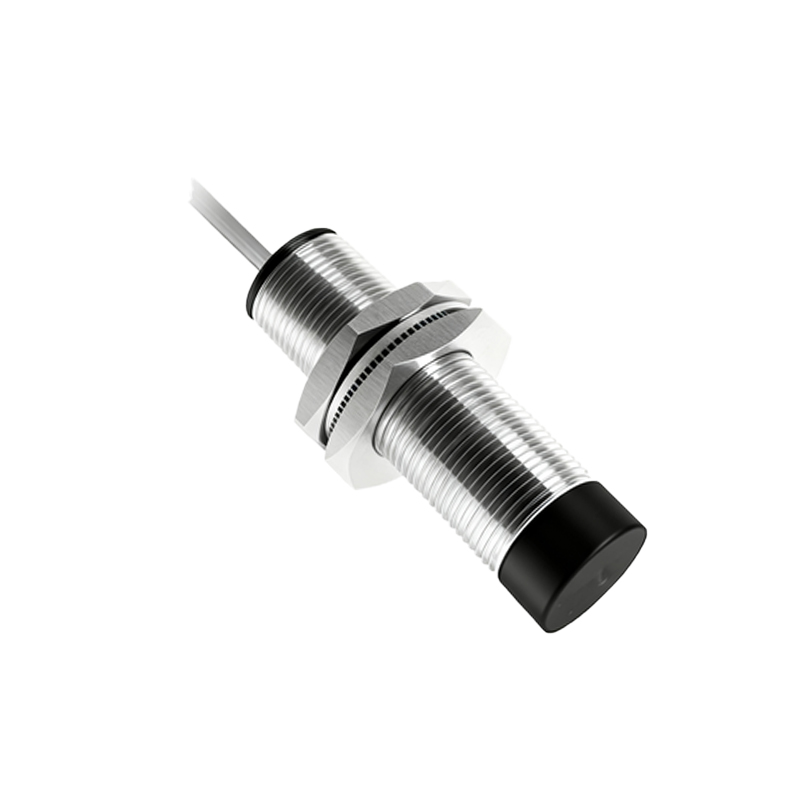
Capacitive proximity sensors detect level changes by measuring capacitance variations between the sensor electrode and the target material. They are ideal for non-metallic substances like plastics, liquids, or powders, offering high sensitivity and the ability to sense through container walls. Inductive sensors, in contrast, are limited to conductive materials, using electromagnetic fields to identify metallic objects, making them suitable for detecting metal-based liquids or solids in harsh environments. Ultrasonic sensors emit sound waves and calculate distance based on echo return time, excelling in long-range detection and handling corrosive or sticky materials. Optical sensors rely on infrared or laser beams, providing fast response times for clear liquids or transparent media but may struggle with opaque or foamy substances.
Selection Criteria for Industrial Applications
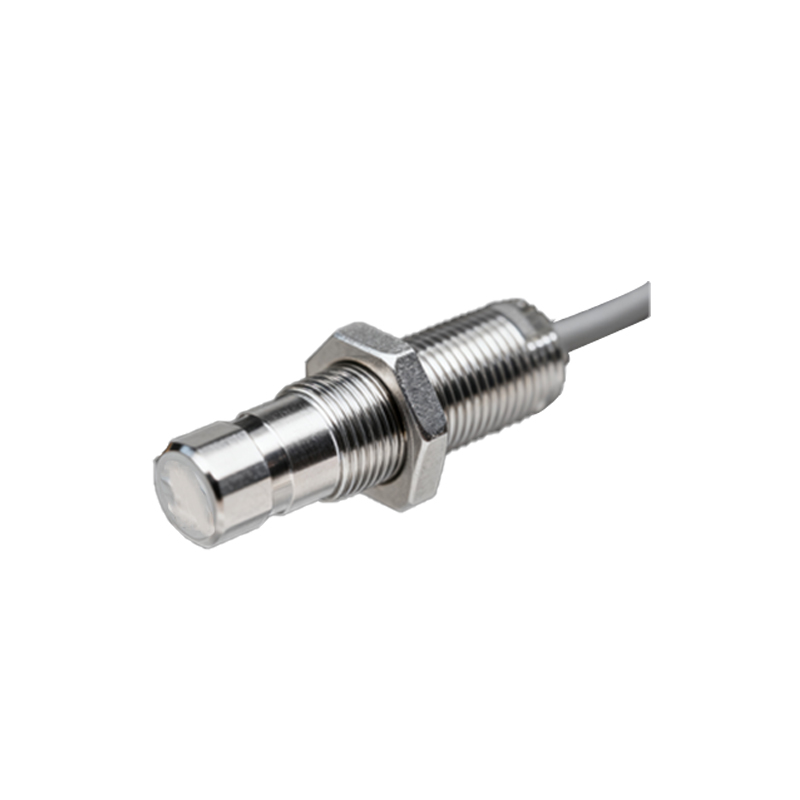
Choosing the right level sensing proximity sensor requires evaluating factors like material type, container properties, environmental conditions, and accuracy needs. For abrasive or adhesive materials, non-contact ultrasonic sensors are preferred to avoid buildup and sensor damage. In explosive atmospheres, intrinsically safe or explosion-proof designs are mandatory to prevent ignition risks. Temperature and pressure ranges must align with operational limits—for instance, high-temperature processes may necessitate specialized sensors with robust housings. Additionally, output signals (e.g., analog 4-20 mA, digital IO-Link) should integrate seamlessly with existing control systems like PLCs or SCADA for efficient data monitoring and automation.
Installation and Calibration Best Practices
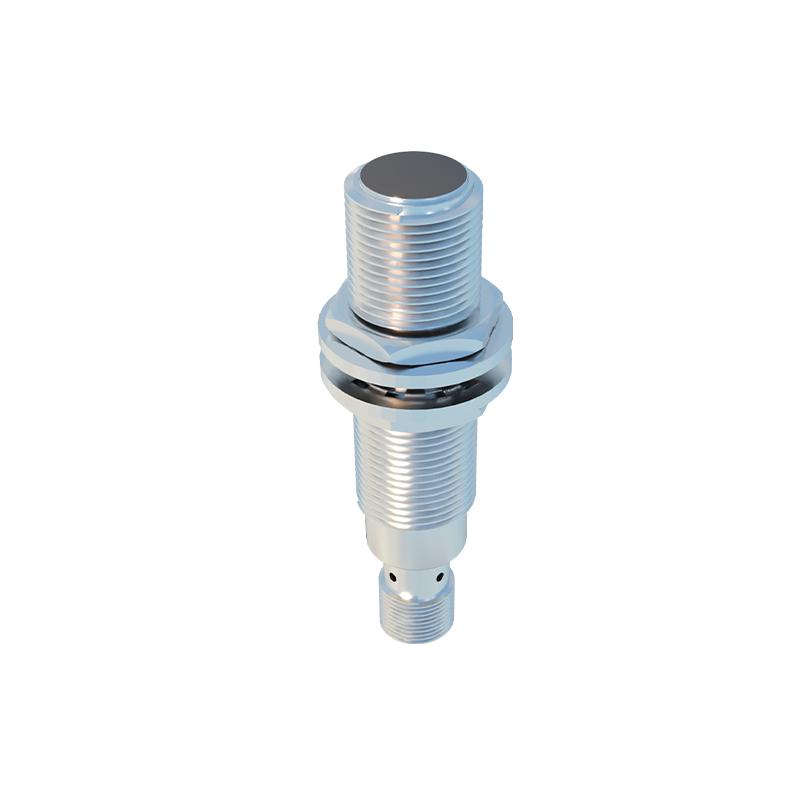
Proper installation is vital for optimal sensor performance. Mount sensors away from obstructions, turbulence, or filling streams to prevent false readings. For ultrasonic sensors, ensure a clear path to the material surface, avoiding angles that cause signal deflection. Calibration involves setting thresholds for empty and full states, often using teach-in functions or software interfaces. Regular verification against manual measurements helps maintain accuracy, especially with changing material densities or dielectric constants. Environmental factors like humidity, dust, or vibration should be mitigated through protective enclosures or mounting brackets to extend sensor lifespan and reliability.
Common Challenges and Troubleshooting Tips
Level sensing proximity sensors can face issues such as coating buildup, interference from adjacent equipment, or signal attenuation in dense media. For capacitive sensors, coating on the probe may alter capacitance, requiring periodic cleaning or using models with anti-coating compensation. Electromagnetic interference from motors or cables can disrupt inductive or ultrasonic sensors; shielding and proper grounding are effective countermeasures. In applications with foaming or swirling materials, averaging algorithms or damping settings in sensor firmware can stabilize readings. Diagnostic features like LED indicators or remote monitoring via industrial networks aid in quick fault identification and reduce downtime.
Future Trends and Innovations
Advancements in level sensing technology focus on enhanced connectivity, smart diagnostics, and miniaturization. IoT-enabled sensors with wireless communication allow real-time data access and predictive maintenance, integrating with cloud platforms for analytics. Improved materials and designs, such as ceramic-faced sensors for corrosive fluids or hygienic variants for food-grade applications, expand usability. Machine learning algorithms are being incorporated to adapt to changing process conditions autonomously, boosting accuracy and reducing manual intervention. As Industry 4.0 evolves, these innovations will drive greater efficiency and sustainability in industrial level monitoring.