Introduction to UL Certification and Its Importance
In the global industrial automation and control landscape, product safety and reliability are non-negotiable. For manufacturers and users of proximity switch sensors, obtaining Underwriters Laboratories (UL) certification is a critical benchmark. UL is a globally recognized safety science company that develops standards and conducts testing for product safety. A UL mark on a proximity sensor signifies that the product has undergone rigorous evaluation against specific safety standards, primarily focusing on electrical fire and shock hazards. This certification is not just a label; it is a testament to a product's compliance with stringent North American safety requirements, facilitating market access and building trust with OEMs, system integrators, and end-users.
Key UL Standards for Proximity Switch Sensors
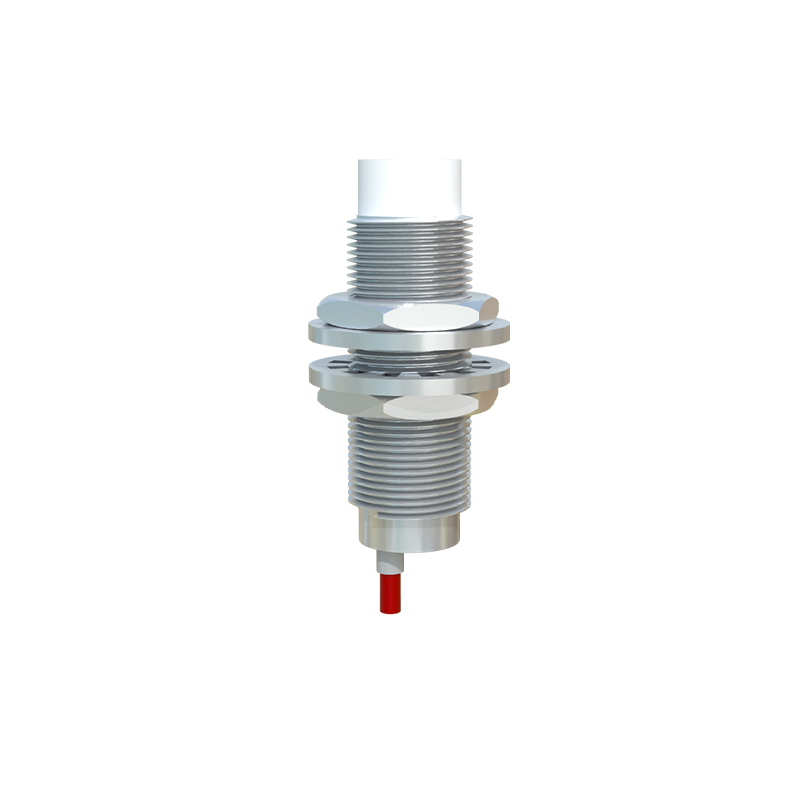
Proximity sensors seeking UL certification are typically evaluated against several key standards. The primary standard is UL 508, the "Standard for Industrial Control Equipment." This standard covers a wide range of industrial components, including sensors, and addresses construction, performance, and marking requirements to ensure safe operation. For sensors used in hazardous locations where flammable gases or dust may be present, compliance with UL 121201 (for non-incendive and intrinsically safe apparatus) or the UL 60079 series (aligning with IECEx and ATEX standards for explosive atmospheres) is often required. Understanding which specific UL standard applies is crucial for manufacturers during the design and development phase to ensure all safety-critical aspects are addressed from the outset.
The UL Certification Process for Sensor Manufacturers
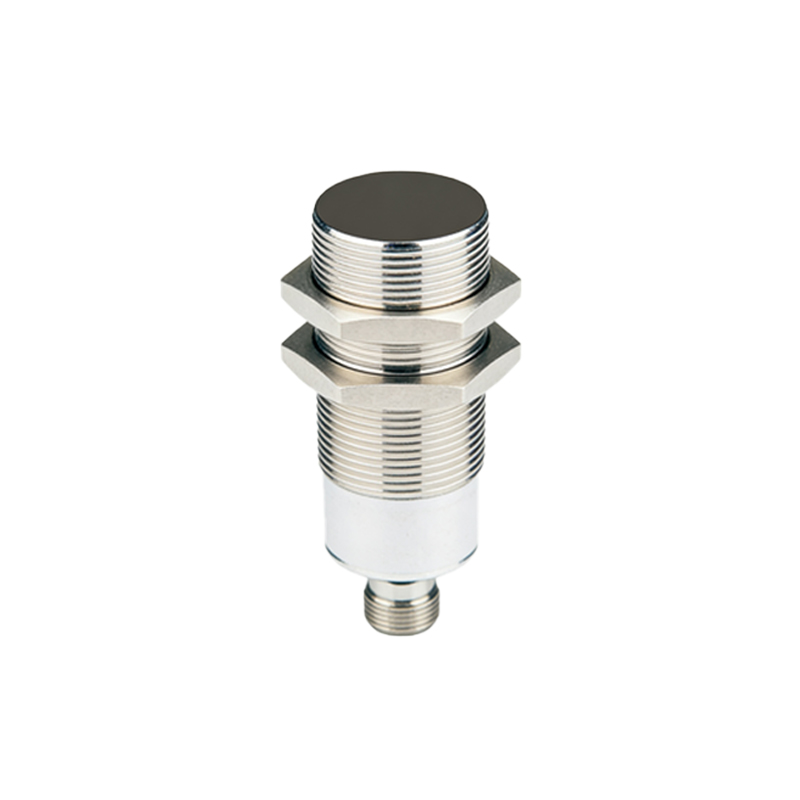
The journey to UL certification for a proximity switch sensor is methodical. It begins with the manufacturer submitting product samples, technical documentation, and circuit diagrams to a UL testing facility. UL engineers then conduct a series of tests based on the applicable standard. These tests examine electrical insulation, spacing between conductive parts (creepage and clearance), endurance under rated load, temperature rise, and resistance to environmental stresses. The construction of the sensor is also meticulously reviewed, including materials used for the housing, sealing integrity (for IP ratings), and terminal connections. Any non-compliance requires design modifications and re-testing until all criteria are satisfactorily met.
Benefits of Using UL-Certified Proximity Sensors
Specifying and installing UL-certified proximity sensors offers multifaceted advantages. Firstly, it significantly enhances workplace safety by reducing the risk of electrical fires and failures within control panels and machinery. For equipment manufacturers (OEMs), using UL-listed components often simplifies the overall certification process for their final machine, as inspectors recognize the pre-certified sub-assemblies. Furthermore, many large industrial facilities, insurance companies, and local electrical codes in the United States and Canada mandate or strongly prefer the use of UL-listed equipment. Therefore, certification acts as a key market differentiator, expanding sales opportunities and demonstrating a commitment to quality and safety that resonates with professional buyers.
Common Challenges and Considerations
Achieving and maintaining UL certification presents ongoing challenges. The initial process can be time-consuming and costly, particularly for small to medium-sized enterprises. Design constraints imposed by safety standards may limit miniaturization or require specific, often more expensive, materials. Additionally, certification is not a one-time event. UL conducts periodic follow-up services (FUS) at the manufacturing plant to audit production processes and test random samples from the production line, ensuring continued compliance. Manufacturers must also manage the certification process for any subsequent design changes, as even minor modifications may require re-evaluation.
UL Certification in a Global Context
While UL is a North American standard, its importance is global. Many international projects or multinational corporations require UL certification for equipment installed in their North American operations. Moreover, UL often harmonizes its standards with international IEC standards, facilitating global acceptance. For instance, a proximity sensor certified to both UL 508 and IEC 60947-5-2 (the international standard for proximity sensors) demonstrates broad compliance, making it suitable for a worldwide market. Understanding this interplay between regional and international certifications is vital for sensor manufacturers aiming for global distribution.
Conclusion and Future Outlook
In conclusion, UL certification for proximity switch sensors is a rigorous but essential process that validates product safety and unlocks commercial potential. It provides a clear framework for designing safe, reliable sensors and offers end-users confidence in their automation investments. As industrial networks become more complex with the rise of IIoT and Industry 4.0, the role of certified, reliable sensing components becomes even more critical. Future trends may see further harmonization of standards and perhaps an increased focus on cybersecurity aspects of networked sensors within the UL framework. For anyone involved in the specification, design, or application of industrial sensors, a solid understanding of UL certification is an indispensable part of professional knowledge.