Introduction to ST150 Photoelectric Sensor Tube
The ST150 photoelectric sensor tube represents a critical component in modern industrial sensing technology. Designed for precision and durability, this sensor operates on the fundamental principle of photoelectric detection, utilizing a light emitter and receiver to detect the presence, absence, or distance of an object. Its compact tubular form factor allows for easy integration into a vast array of machinery and automated systems. The ST150 is engineered to deliver reliable performance in challenging industrial environments, offering resistance to factors like dust, ambient light interference, and mechanical vibration. Its versatility makes it a cornerstone in the toolkit of automation engineers, serving as the "eyes" of a system for tasks ranging from simple object detection to complex positioning and counting operations.
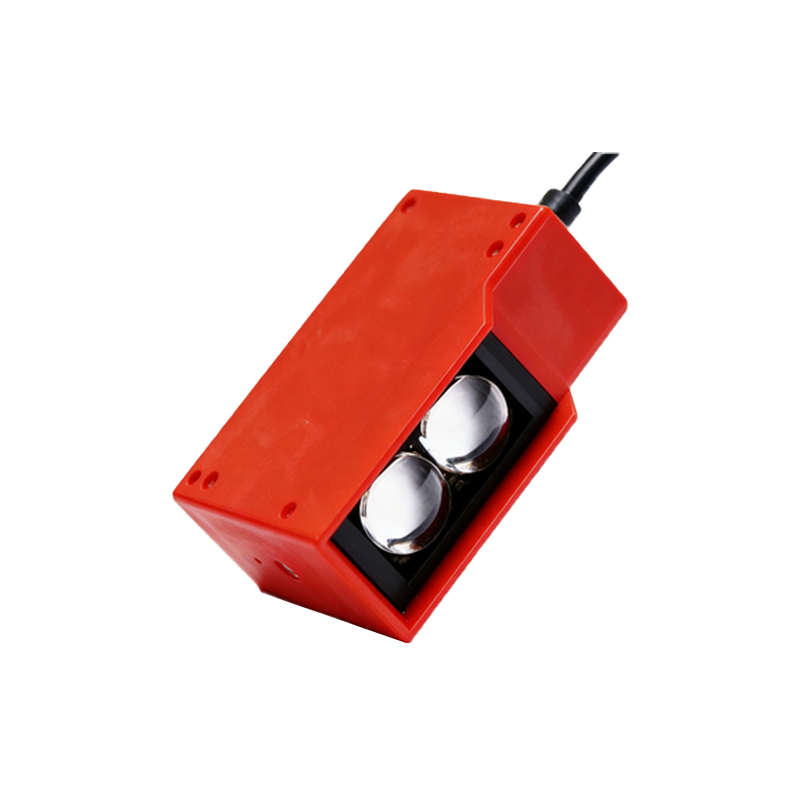
Core Operating Principles and Types
The functionality of the ST150 photoelectric sensor tube is based on three primary sensing modes: through-beam, retro-reflective, and diffuse-reflective. In the through-beam configuration, the emitter and receiver are housed in separate units. An object is detected when it interrupts the light beam traveling from the emitter to the receiver. This mode offers the longest sensing distance and highest reliability. The retro-reflective type combines the emitter and receiver in a single housing, using a reflector to bounce the light beam back. Detection occurs when an object blocks this reflected beam. Finally, the diffuse-reflective model, also with a combined housing, detects objects based on the light reflected directly from the target's surface. The ST150 series is available in variants supporting these modes, allowing engineers to select the optimal model for specific application requirements, considering factors like sensing range, target material, color, and environmental conditions.
Primary Applications in Manufacturing and Assembly
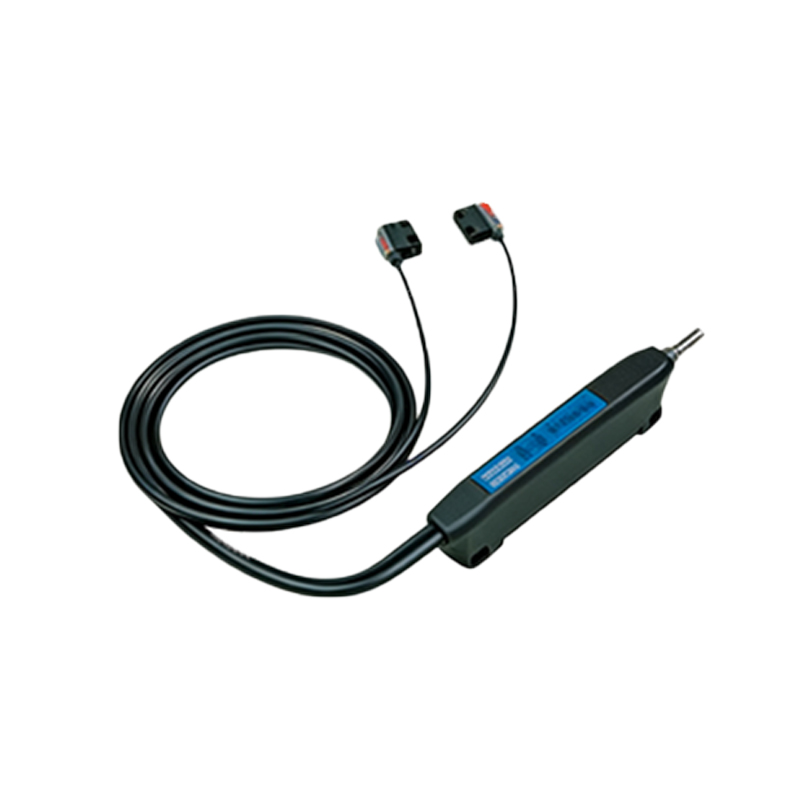
Within manufacturing and assembly lines, the ST150 photoelectric sensor tube finds extensive use. A key application is part presence verification. It ensures components are correctly positioned before a machining or assembly operation, preventing defects and machine jams. For instance, on a conveyor system, ST150 sensors can confirm that a bottle has a cap or a package has a label. They are also indispensable in counting applications, tallying products as they pass a specific point on a production line for inventory or batching purposes. Furthermore, these sensors are used for edge guiding and web break detection in material handling, such as in paper, textile, or plastic film processing, where a break in the material interrupts the beam and triggers an immediate machine shutdown.
Role in Packaging and Material Handling
The packaging industry heavily relies on the precision of sensors like the ST150. They are used to control fill levels by detecting the position of a product in a container, signaling when to start or stop a filling machine. In automated packaging machines, these sensors detect the leading and trailing edges of boxes or cartons to precisely time the application of tape or glue. For palletizing robots, ST150 sensors help in identifying the presence and height of a pallet, ensuring accurate placement of layers. In warehouse automation, they facilitate sorting systems by detecting parcels on conveyor belts, triggering diverters to route them to the correct destination. Their fast response time and high accuracy are crucial for maintaining the high-speed flow of modern logistics operations.
Integration with Safety and Control Systems
Beyond process control, the ST150 photoelectric sensor tube plays a vital role in safety applications. It can be integrated into safety light curtains or area guarding systems to create invisible detection zones around hazardous machinery. If the sensor beam is interrupted by a person or object entering a restricted area, it sends a signal to the machine's safety controller to initiate a protective stop, such as halting a press or robot arm. This non-contact safety solution helps protect personnel while maintaining operational efficiency. Additionally, in access control systems, these sensors can detect the approach of personnel or vehicles, activating doors or signaling other subsystems within a larger automated facility management framework.
Selection Criteria and Installation Best Practices
Selecting the correct ST150 model requires careful analysis. Engineers must consider the required sensing distance, the size and surface properties of the target object (e.g., transparent, glossy, dark), the operating environment (presence of dust, steam, or temperature extremes), and the required output type (e.g., NPN, PNP, analog, or digital). Proper installation is equally critical for optimal performance. This includes ensuring stable mounting to minimize vibration, precise alignment of through-beam or retro-reflective units, and adjusting the sensitivity to avoid false triggers from background objects or ambient light. Regular maintenance, such as lens cleaning and periodic functional checks, is recommended to ensure long-term, trouble-free operation of the sensor in continuous industrial duty cycles.
Future Trends and Conclusion
The evolution of photoelectric sensors like the ST150 is moving towards increased intelligence and connectivity. Future iterations may incorporate IO-Link communication, allowing for detailed parameter setting, remote monitoring, and predictive maintenance data exchange directly with PLCs or cloud systems. Enhanced background suppression capabilities and laser-based versions will allow for even more precise detection of challenging targets. As Industry 4.0 and smart factory concepts mature, the humble photoelectric sensor tube will remain a fundamental data point source, feeding critical information into larger cyber-physical systems. The ST150, with its proven reliability and adaptability, is well-positioned to continue as an essential component for enabling efficient, safe, and intelligent industrial automation across diverse sectors.