Introduction to Proximity Sensing in Additive Manufacturing
In the realm of 3D printing, precision is paramount. Every layer must be deposited accurately for a successful print. Proximity sensors play a critical, often understated role in achieving this precision. These non-contact electronic devices detect the presence or absence of an object within a specified range without physical contact. In 3D printers, they are primarily employed for bed leveling, nozzle height calibration, and end-stop detection. Their function is to ensure the print head or the build platform is at an exact, predetermined distance, creating the foundational conditions for optimal first-layer adhesion and dimensional accuracy throughout the printing process.
Core Types of Proximity Sensors Used
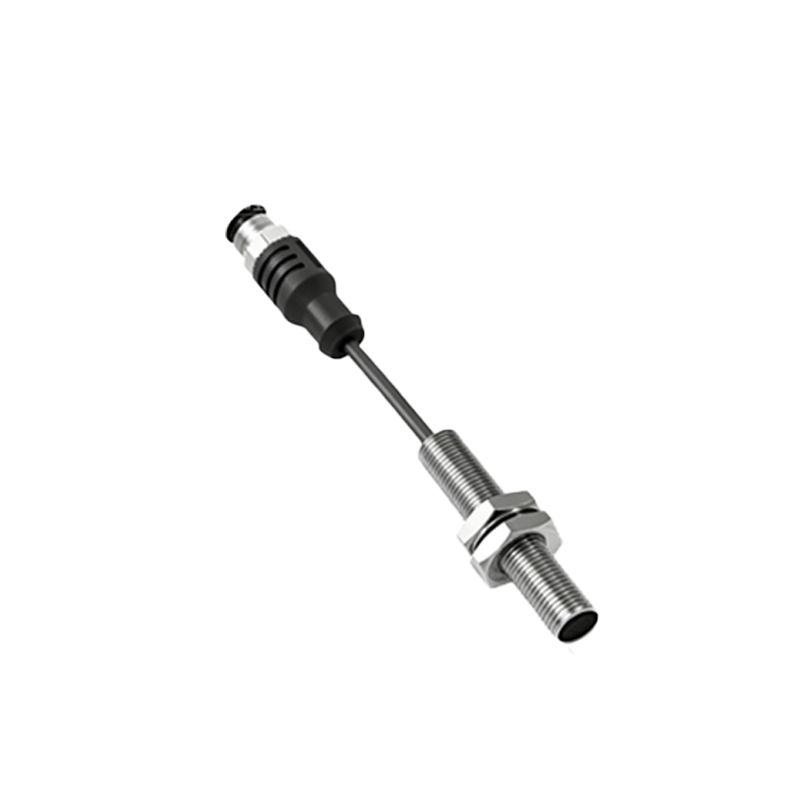
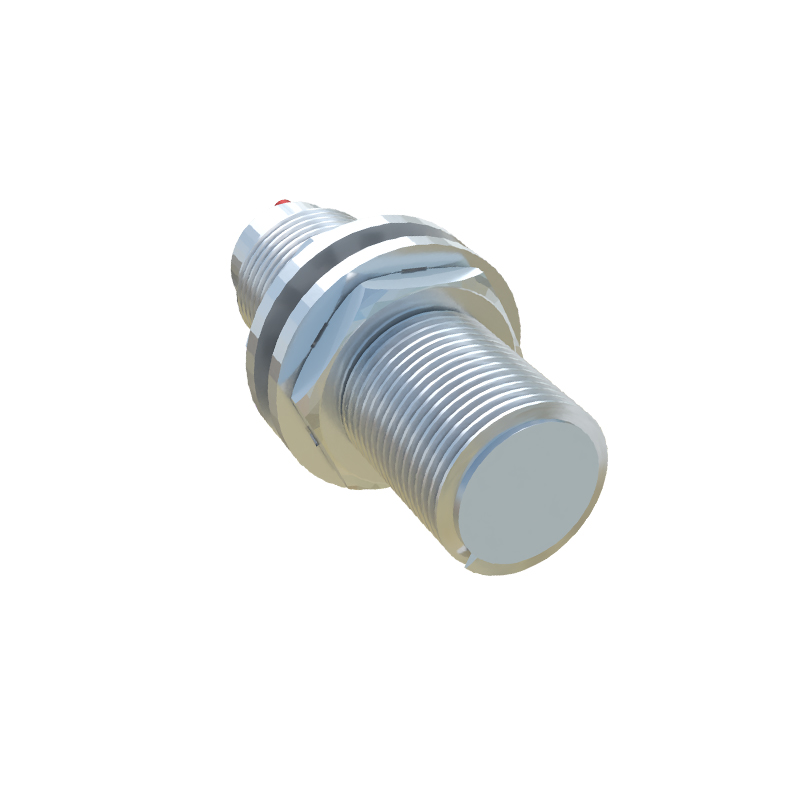
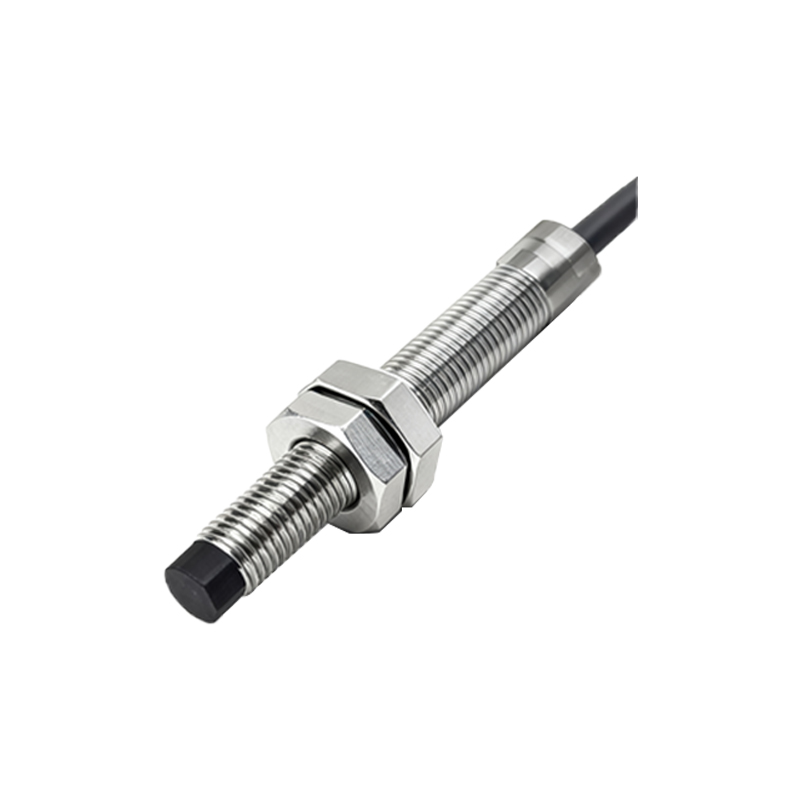
Several types of proximity sensors are integrated into modern 3D printers, each with distinct operating principles. Inductive sensors are common in printers with metal build plates. They generate an electromagnetic field and detect eddy currents induced in conductive targets, making them ideal for sensing the metal bed's position. Capacitive sensors, on the other hand, detect both conductive and non-conductive materials by measuring changes in capacitance. They are often used for glass or PEI-coated spring steel beds. Optical sensors, including infrared and laser-based variants, use light beams to detect the build surface. Finally, mechanical probes like the BLTouch use a physical pin that deploys and retracts, combining a mechanical trigger with a Hall effect sensor to detect contact.
The Critical Role in Automatic Bed Leveling
Automatic Bed Leveling (ABL) has revolutionized user experience and print success rates. Here, the proximity sensor is the star component. Before a print begins, the printer's firmware commands the sensor to probe multiple points across the build surface. It meticulously measures the distance to the bed at each point, creating a topological mesh map. This data is fed to the printer's controller, which dynamically adjusts the Z-axis height during the first layers to compensate for any warping or tilting of the build plate. This process ensures the nozzle maintains a consistent gap across the entire printing area, crucial for strong adhesion and preventing print failures like warping or elephant's foot.
Nozzle Height Calibration and Crash Prevention
Beyond bed leveling, proximity sensors are vital for precise nozzle height calibration. Setting the Z-offset—the distance between the nozzle tip and the bed when the sensor triggers—is a fundamental calibration step. An accurate sensor ensures this offset is repeatable and reliable. Furthermore, these sensors act as a primary safety mechanism. By accurately detecting the bed's position, they prevent the print head from crashing into the build platform during homing sequences or due to software errors. This protection safeguards both the printer's mechanical components, like the linear rods and bearings, and the build surface itself from damage.
Integration and Signal Processing
The effectiveness of a proximity sensor is not solely dependent on its inherent technology but also on its integration into the printer's ecosystem. The sensor's output signal—typically digital (on/off) or analog—must be correctly interpreted by the printer's mainboard. Firmware configuration is crucial; parameters like probe offset (the spatial difference between the sensor and the nozzle) must be defined with high accuracy. Noise from stepper motors or power supplies can interfere with sensor readings, necessitating proper shielding, filtering in the firmware, or using sensors with high noise immunity. Reliable signal processing ensures consistent and error-free triggering.
Advantages Over Traditional Methods
The adoption of electronic proximity sensors marks a significant advancement over traditional manual leveling methods. They eliminate human error and subjectivity from the bed leveling process. Manual leveling using a piece of paper relies on feel and can vary between users. Proximity sensors provide quantitative, repeatable measurements. They also enable faster setup times and can perform live adjustments during prints in some advanced implementations. This automation enhances consistency, which is especially beneficial in production or farm environments where multiple printers must perform identically with minimal operator intervention.
Selection Criteria and Installation Considerations
Choosing the right proximity sensor for a 3D printer involves several technical considerations. The sensing range must be compatible with the printer's mechanical design and the expected distance to the bed. Repeatability, or the sensor's ability to return the same reading under identical conditions, is more critical than absolute accuracy for bed leveling. The target material (build surface) dictates the sensor type: inductive for metal, capacitive or optical for glass/other materials. Physical size is also a constraint in the crowded toolhead assembly. Installation requires careful mechanical alignment to ensure the probe offset values are correct and stable, and wiring must be secure to avoid signal dropouts.