Introduction to Metal Proximity Sensors
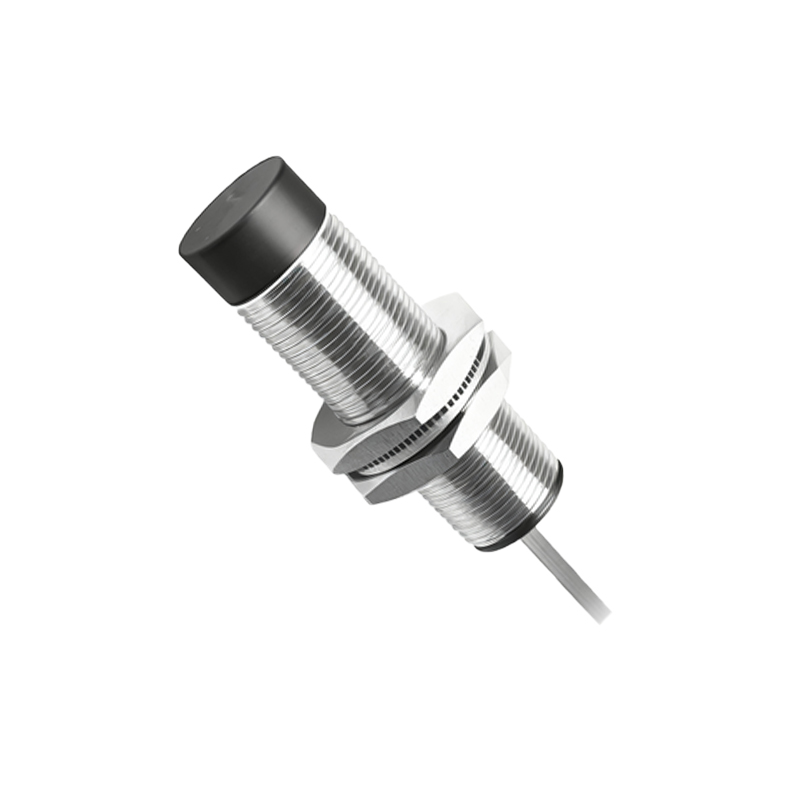
A metal proximity sensor is a non-contact electronic device designed to detect the presence or absence of metallic objects within its sensing range. Operating without physical contact, these sensors utilize electromagnetic fields, eddy currents, or other principles to sense metallic targets. Their primary role is to provide reliable, high-speed detection in various industrial environments, contributing to automation, safety, and process control. By converting the detection of metal into an electrical signal, they enable machinery and control systems to respond appropriately, such as by triggering an action, counting items, or halting a process. The ability to function in harsh conditions—like those with dust, oil, or vibration—makes them indispensable in modern manufacturing and engineering applications.
Core Operating Principles
The functionality of metal proximity sensors hinges on several key technologies. Inductive proximity sensors are the most common type for metal detection. They generate an oscillating electromagnetic field from a coil. When a metallic object enters this field, it induces eddy currents within the metal, which dampens the oscillation. The sensor's internal circuit detects this change and switches its output state. Another principle involves capacitive sensors, which can detect both metallic and non-metallic materials by sensing changes in capacitance. However, for dedicated metal sensing, inductive types are predominant due to their specificity and robustness. High-frequency oscillation models offer precise detection, while magnetic types use permanent magnets and reed switches or Hall effect elements to detect ferrous metals specifically.
Key Functions and Applications in Industry
The role of metal proximity sensors extends across numerous critical functions. In automated production lines, they are used for precise positioning of machine parts, such as confirming the placement of a metal component in an assembly robot. They serve as vital safety devices by ensuring machine guards are closed or detecting the intrusion of metal tools into hazardous zones. Counting and sorting applications are also prevalent; for instance, sensors tally metal cans on a conveyor or differentiate between metallic and non-metallic items for separation. In the automotive sector, they monitor the position of pistons, gears, and other components. Furthermore, they facilitate quality control by verifying the presence of metal seals, screws, or inserts in products, preventing defective items from proceeding down the line.
Advantages Over Mechanical Switches
Compared to traditional mechanical limit switches, metal proximity sensors offer significant benefits. Their non-contact nature eliminates physical wear and tear, leading to a dramatically longer operational lifespan and reduced maintenance costs. They provide extremely fast response times, often in microseconds, which is crucial for high-speed machinery. Since there is no physical impact, they operate silently and do not cause damage to the target objects. Their solid-state construction makes them highly resistant to vibration, shock, and environmental contaminants like coolant or metal chips. This reliability ensures consistent performance and minimizes downtime in continuous industrial processes, enhancing overall productivity and system integrity.
Selection Criteria and Installation Considerations
Choosing the correct metal proximity sensor requires careful evaluation of several parameters. The sensing distance, or range, must be appropriate for the application, considering factors like target material (steel, aluminum, brass), size, and shape. Environmental conditions dictate the required housing material (e.g., stainless steel for corrosive settings) and protection rating (IP67 for dust and water resistance). The output type—whether NPN, PNP, analog, or IO-Link—must be compatible with the existing PLC or control system. Installation is critical; sensors must be mounted securely to avoid misalignment and should be spaced adequately to prevent mutual interference when multiple units are used. Proper shielding and grounding are essential to minimize electrical noise in sensitive applications.
Conclusion and Future Trends
In summary, the role of a metal proximity sensor is fundamental to industrial automation, providing accurate, reliable, and non-contact detection of metallic objects. They enhance efficiency, safety, and quality in processes ranging from simple presence detection to complex robotic guidance. As Industry 4.0 advances, these sensors are evolving with smarter features. Integration of IO-Link communication allows for parameter setting, diagnostics, and process data exchange, enabling predictive maintenance. Miniaturization continues, allowing installation in tighter spaces. Furthermore, enhanced sensing capabilities for different metal alloys and improved resistance to extreme temperatures and electromagnetic interference are ongoing development focuses, ensuring their continued critical role in the factories of the future.