Understanding the 1mm Sensing Distance Specification
A proximity sensor with a 1mm nominal sensing distance represents a highly precise category within industrial automation. This specification indicates the exact point at which the sensor can reliably detect a standard target, typically a square of mild steel defined by the sensor's diameter. Unlike sensors with larger ranges, such as 5mm or 10mm, the 1mm variant operates in an extremely tight window. This minimal gap is not a limitation but a deliberate design choice for applications where physical space is constrained or where detection must occur only when an object is virtually in contact with the sensor face. The repeatability and hysteresis of such a sensor are critical parameters, often specified to within microns, ensuring that the switching point is consistent during both approach and retreat of the target.
Key Technologies and Operating Principles
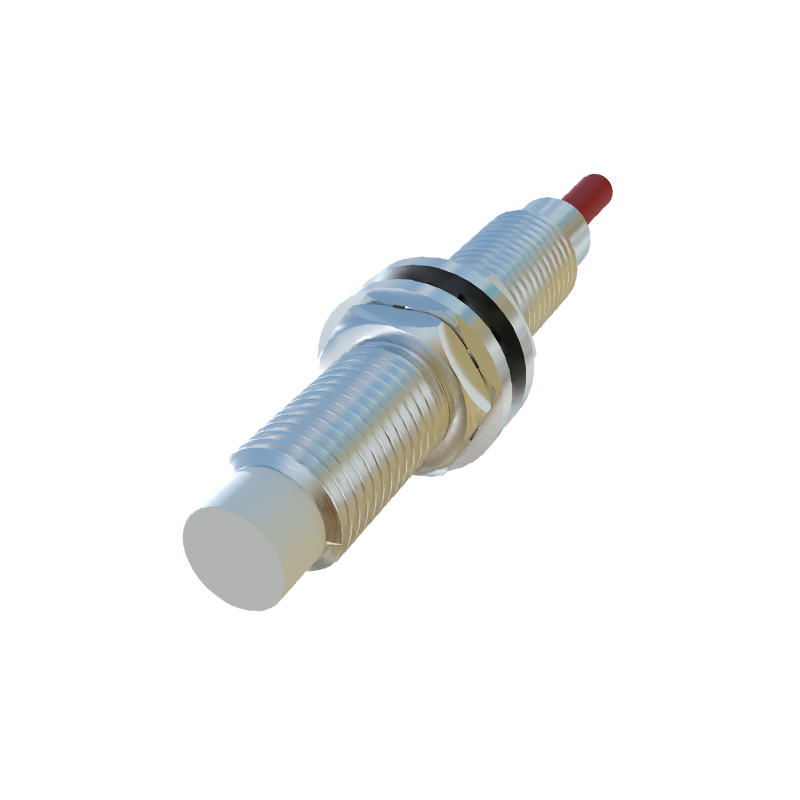
The majority of 1mm sensing distance proximity switches utilize the inductive principle. They generate a high-frequency electromagnetic field from a coiled oscillator in the sensing face. When a metallic object, primarily ferrous metals like steel and iron, enters this restricted 1mm field, it causes eddy currents on the object's surface. This results in a measurable damping or loading of the oscillator circuit. The sensor's electronics detect this change and trigger a solid-state output switch. For this short range, the coil design and oscillator frequency are optimized for a very focused and rapid field collapse, allowing for exceptional precision. Capacitive variants also exist for detecting non-metallic materials at 1mm, relying on changes in capacitance as an object enters the electric field.
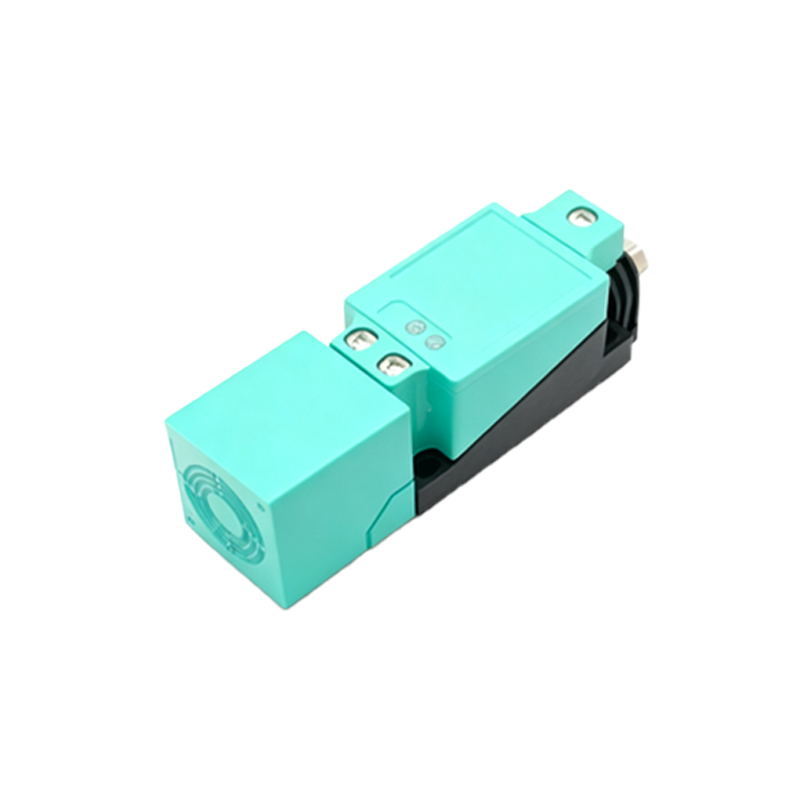
Typical Applications in Precision Automation
The application scope for 1mm proximity sensors is defined by their precision. They are indispensable in high-accuracy machining and assembly lines. Common uses include end-position verification of pneumatic cylinders with integrated pistons, wafer handling and positioning in semiconductor manufacturing, detection of tiny components on feeder tracks, and as a verification step in robotic pick-and-place operations where tooling is in close quarters. They serve as critical safety interlocks in guarding systems where even a minute gap must be detected. In packaging machinery, they verify the presence of thin foils or labels. Their role is often as a final, confirmatory sensor rather than a primary detection device from a distance.
Installation and Mounting Considerations
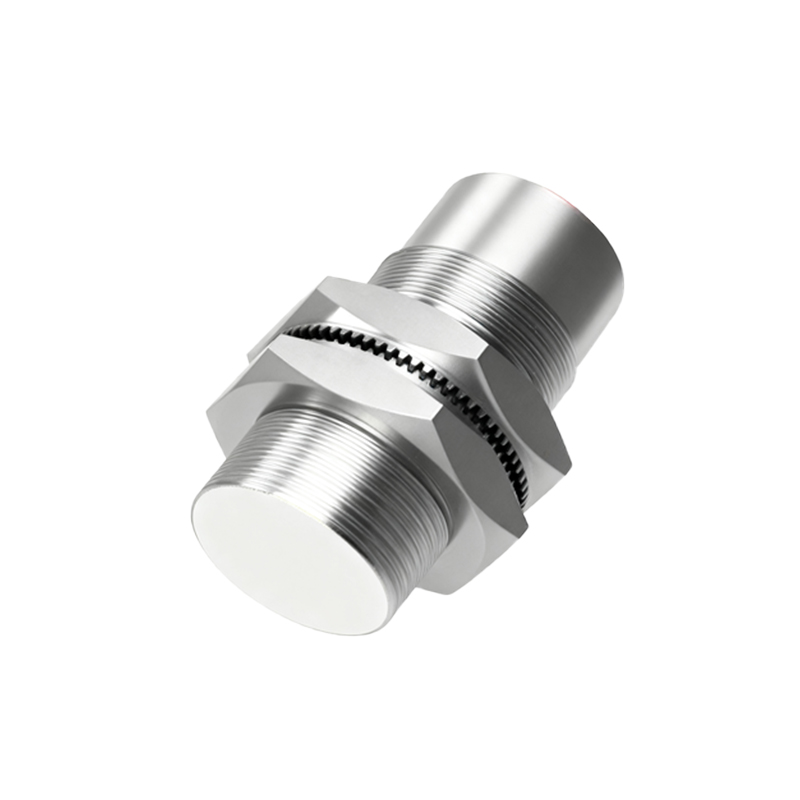
Proper installation is paramount for a 1mm sensor to function as specified. Flush-mounting (embedding the sensor in a metal bracket) is often recommended or even required to achieve the rated sensing distance, as it shields the sensor from lateral electromagnetic interference. Non-flush mountable types are less common at this range. The material and geometry of the target are crucial; the sensor must be calibrated for the specific metal and shape. Engineers must account for mechanical tolerances, vibration, and thermal expansion in the system, as these factors can easily consume the tiny 1mm operational gap. Adequate clearance from other metal objects in the environment is also necessary to prevent false triggering.
Advantages and Performance Characteristics
The primary advantage of a 1mm proximity sensor is its precision and immunity to environmental disturbances. With such a short range, it is largely unaffected by dust, chips, oil mist, or other ambient contaminants that could falsely trigger a sensor with a wider, more sensitive field. It offers excellent repeatability and high switching frequency due to the small field activation zone. The compact size of these sensors allows for integration into very tight mechanical designs. Their solid-state construction ensures a long operational life with no mechanical wear from physical contact, providing reliable performance over millions of cycles in demanding industrial environments.
Limitations and Selection Criteria
The obvious limitation is the requirement for extremely precise mechanical alignment and positioning. The target must consistently pass within the 1mm window, demanding higher precision in machinery construction. They are generally unsuitable for detecting objects at a stand-off distance. When selecting a 1mm sensor, key criteria include: the target material (steel, stainless steel, aluminum, brass, or non-metal), output type (PNP/NPN, NO/NC), housing material (often nickel-plated brass or stainless steel for durability), temperature rating, and connection method (pre-wired or quick-disconnect). Understanding the difference between nominal sensing distance and the guaranteed operational distance under all conditions is also vital for robust system design.
Comparison with Longer-Range Sensors
Choosing between a 1mm sensor and a sensor with a 5mm or 10mm range is an application-driven decision. Longer-range sensors provide more flexibility in mounting and forgiving alignment but are more susceptible to detecting unintended objects in their broader field. They may also have slower response times due to