Introduction to Front Cover Proximity Sensors
Front cover proximity sensors are critical components in modern industrial automation, designed to detect the presence or absence of an object without physical contact. These sensors are commonly installed on machinery front covers to ensure safety and operational efficiency. By utilizing electromagnetic fields, capacitive effects, or ultrasonic waves, they provide reliable feedback to control systems, preventing accidents and optimizing production cycles. In industries such as manufacturing, automotive, and packaging, their role is indispensable for maintaining high standards of equipment integrity and personnel protection.
Fundamental Working Principles
The core operation of proximity sensors for front covers relies on non-contact detection technology. Inductive proximity sensors, for instance, generate an oscillating electromagnetic field from a coil. When a metallic object, like a front cover, enters this field, eddy currents are induced, altering the oscillation amplitude. This change triggers a switch signal, indicating the cover's position. Capacitive sensors, on the other hand, detect both metallic and non-metallic objects by measuring changes in capacitance caused by the object's dielectric properties. Ultrasonic sensors use sound waves to gauge distance, offering versatility for various cover materials. Each type is selected based on factors like material composition, environmental conditions, and required sensing range.
Key Components and Design Features
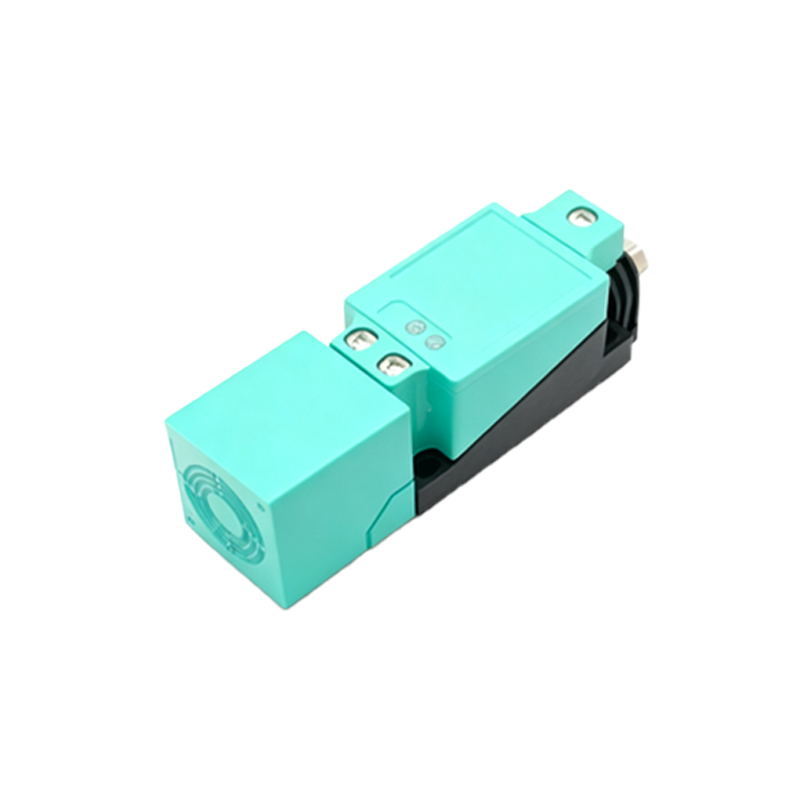
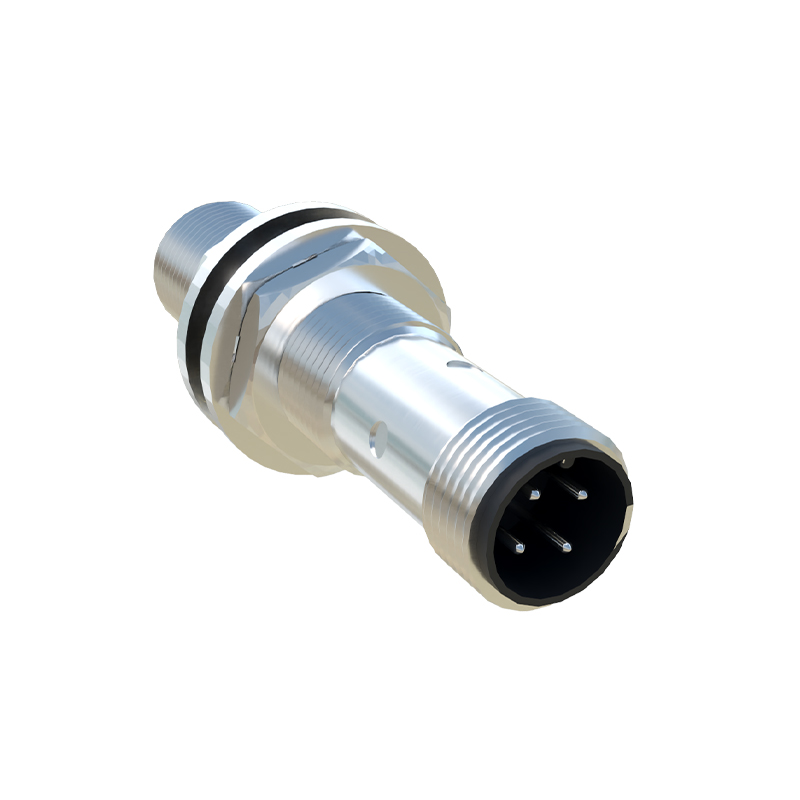
A typical front cover proximity sensor comprises several essential parts: a sensing element, oscillator circuit, signal conditioner, and output stage. The housing is often ruggedized to withstand harsh industrial environments, featuring IP67 or higher ratings for dust and water resistance. Design considerations include sensing distance, which can range from a few millimeters to several centimeters, and response time, crucial for high-speed applications. Additionally, many sensors incorporate LED indicators for status monitoring and adjustable sensitivity settings to fine-tune performance. These features ensure durability and precision, minimizing false triggers and enhancing system reliability.
Applications in Industrial Safety and Automation
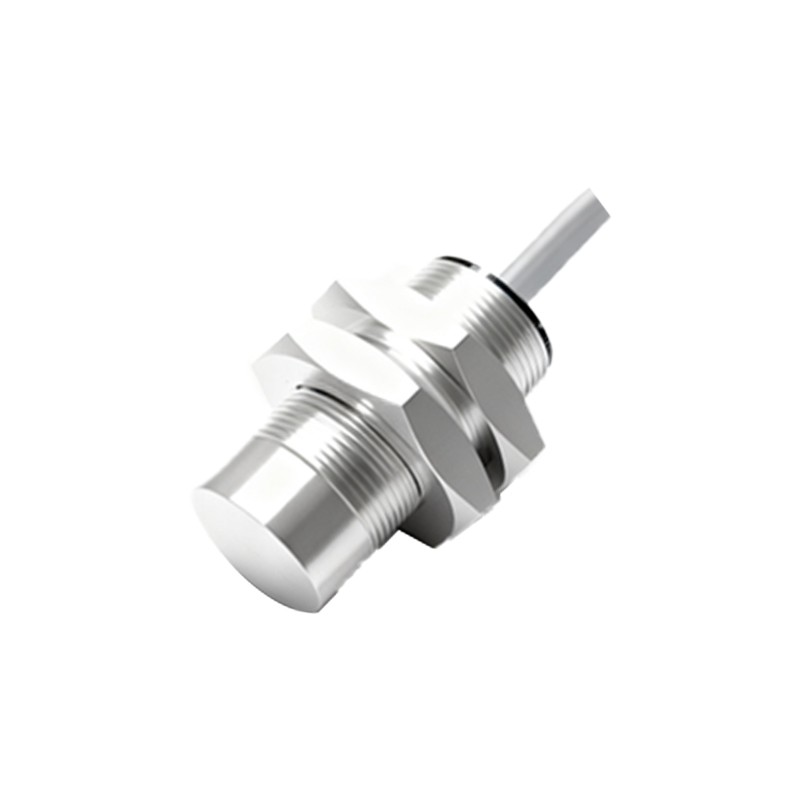
In industrial settings, front cover proximity sensors play a vital role in safety interlocking systems. They are integrated into machine guards to detect if covers are properly closed before operation begins, preventing access to hazardous areas during runtime. This compliance with safety standards like ISO 13849 reduces the risk of injuries and equipment damage. Beyond safety, these sensors contribute to automation by enabling condition monitoring—for example, alerting maintenance teams if a cover is left ajar or damaged. This proactive approach boosts productivity and reduces downtime, making them integral to smart factory initiatives.
Installation and Calibration Best Practices
Proper installation is key to maximizing sensor performance. Mounting should align the sensor perpendicular to the target surface, typically the front cover, to ensure accurate detection. Environmental factors like temperature fluctuations, vibration, and electromagnetic interference must be considered; shielding or selecting specialized models may be necessary. Calibration involves adjusting the sensing range and hysteresis to avoid nuisance tripping. Regular testing with the actual cover material is recommended to verify functionality. Following manufacturer guidelines and industry protocols, such as those from IEC 60947-5-2, ensures optimal operation and longevity.
Advantages and Limitations
Front cover proximity sensors offer numerous benefits, including long service life due to non-contact operation, high repeatability, and resistance to contaminants like oil or dirt. They operate silently and require minimal maintenance, reducing operational costs. However, limitations exist: inductive sensors only detect metals, while capacitive sensors can be affected by humidity or material variations. Sensing range may be limited for thick or non-standard covers. Understanding these trade-offs helps in selecting the right sensor type, balancing performance with application-specific needs.
Future Trends and Innovations
The evolution of front cover proximity sensors is driven by advancements in IoT and Industry 4.0. Smart sensors with embedded diagnostics and communication protocols, such as IO-Link, are becoming more prevalent, enabling real-time data exchange and predictive maintenance. Miniaturization allows for integration into compact designs, while enhanced materials improve detection accuracy for diverse cover types. Research into energy-efficient models and wireless options is ongoing, promising greater flexibility in industrial layouts. As automation grows, these innovations will further enhance safety and efficiency, solidifying the sensor's role in next-generation machinery.