Understanding the Core Technology
Photoelectric smoke detectors represent a critical advancement in early fire warning systems. Unlike their ionization counterparts, which are more responsive to flaming fires, photoelectric sensors excel at detecting smoldering fires that produce significant visible smoke particles. This technology is based on the principle of light scattering. Inside the detector's sensing chamber, a light-emitting diode (LED) projects a beam of light across a dark, labyrinthine path. Under normal conditions, this light beam travels in a straight line and does not hit a photosensitive sensor, such as a photodiode, positioned at an angle to the beam. The chamber remains in a state of optical equilibrium.
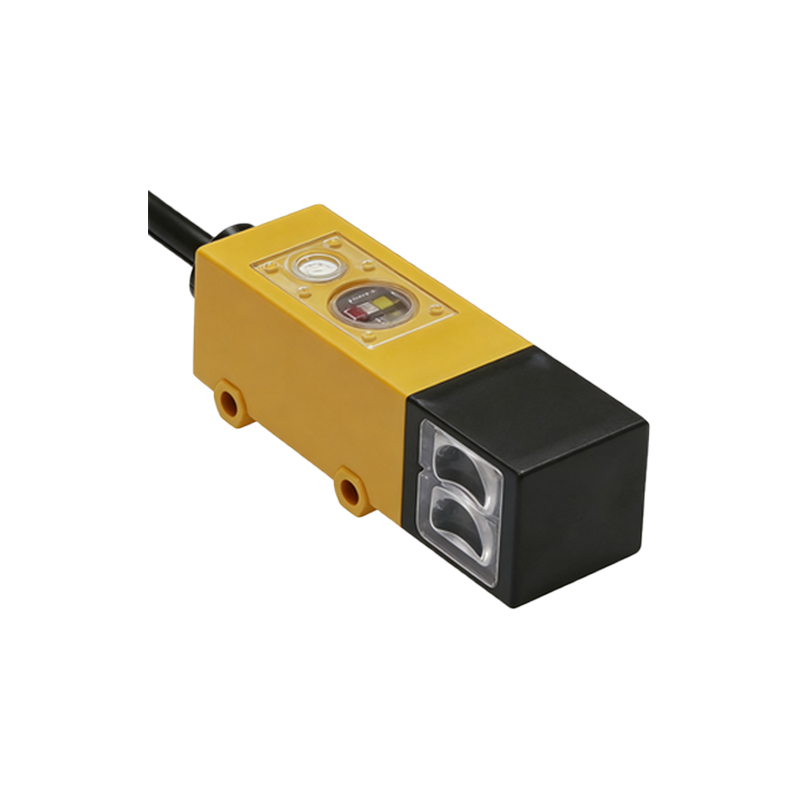
The Sensing Mechanism in Action
When smoke particles from a smoldering fire enter the sensing chamber, they disrupt this equilibrium. The smoke particles scatter the light beam, causing it to reflect and refract in various directions. A portion of this scattered light strikes the photodiode sensor. The photodiode converts this light energy into a small electrical current. An integrated circuit continuously monitors the output of this photodiode. When the scattered light intensity, and consequently the electrical signal, exceeds a pre-set threshold, the circuit interprets this as a confirmed smoke condition. This triggers the alarm sequence, activating the loud, piercing sound designed to alert occupants.
Advantages in Modern Fire Detection
The primary advantage of photoelectric smoke alarms is their superior sensitivity to larger smoke particles typical of slow, smoldering fires. These fires, often originating from overheated wiring, cigarettes on upholstery, or electrical faults, can produce deadly smoke and gases long before flames appear. Statistics from fire safety agencies indicate that photoelectric detectors can provide crucial extra minutes of warning for such scenarios, significantly improving escape time. Furthermore, they are less prone to nuisance alarms from cooking vapors or steam compared to ionization detectors when installed at appropriate distances from kitchens and bathrooms, though proper placement remains paramount.
Design and Installation Considerations
Optimal performance hinges on correct installation and maintenance. Manufacturers design the sensing chamber as a maze to prevent ambient light from accidentally triggering the sensor while allowing smoke to freely enter. It is recommended to install photoelectric smoke alarms on every level of a home, inside each bedroom, and outside sleeping areas. Interconnecting all alarms, whether hardwired or via wireless technology, ensures that when one sounds, they all sound, providing whole-home alerting. Regular testing via the unit's test button is essential, and the chamber should be kept free of dust and insects, which can cause false alarms or impair sensitivity.
Integration and Smart Home Evolution
The evolution of photoelectric sensor technology has seamlessly integrated with the smart home ecosystem. Modern units often include features like sealed long-life lithium batteries, hush buttons for nuisance alarms, and voice alerts specifying the type of danger. More advanced interconnected photoelectric smoke detectors can send real-time alerts to a homeowner's smartphone, regardless of their location. Some models integrate with broader home automation systems, enabling actions like turning on lights during an alarm or automatically notifying a monitoring service, which can dispatch emergency responders.
Maintenance and Long-Term Reliability
Routine maintenance is straightforward but non-negotiable. The unit should be vacuumed gently around its exterior vents annually to prevent clogging. The sensor itself is designed for long-term stability, but the entire device has a finite service life, typically 10 years from the date of manufacture, as recommended by standards bodies like Underwriters Laboratories (UL). After this period, components, including the sensitive photoelectric chamber and the electronic components, may degrade, necessitating complete unit replacement to ensure continued reliability and safety.
Conclusion: A Pillar of Safety
In conclusion, the photoelectric smoke detector, with its sophisticated light-scattering sensor, is a fundamental pillar of residential and commercial fire safety. Its ability to provide early warning for the insidious smoldering fire makes it an indispensable device. When combined with regular testing, proper placement, and integration into a comprehensive safety plan, photoelectric smoke alarms save lives by providing the earliest possible warning, allowing individuals and families the critical time needed to escape a fire emergency safely.