Introduction to Inductive Proximity Sensors
Inductive proximity sensors are non-contact electronic devices used to detect the presence or absence of metallic objects within their sensing range. Operating on the principle of electromagnetic induction, these sensors generate an oscillating electromagnetic field. When a metallic target enters this field, eddy currents are induced in the object, causing a change in the sensor's oscillation amplitude. This change is detected and converted into an output signal, typically a switch signal, indicating the object's presence. Known for their robustness, reliability, and insensitivity to non-metallic materials, inductive sensors are fundamental components in industrial automation, offering precise detection without physical contact.
Core Operating Principles
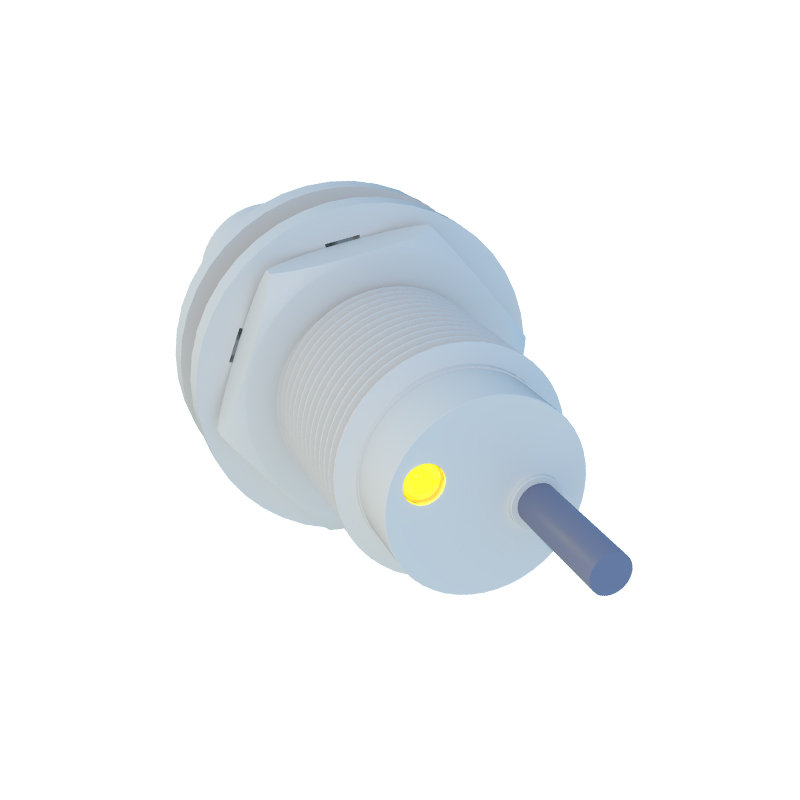
The functionality of an inductive proximity sensor hinges on a coil and oscillator circuit that creates a high-frequency electromagnetic field at the active face. A metallic object approaching this field absorbs energy, dampening the oscillations. This damping effect is measured by an evaluation circuit, which triggers a solid-state output. The sensing distance, or "switching distance," depends on factors like the target material's properties (ferrous metals like iron yield longer ranges than non-ferrous metals like aluminum), target size, and sensor design. Key specifications include nominal sensing distance, repeat accuracy, hysteresis, and switching frequency, all critical for application suitability.
Primary Industrial Applications
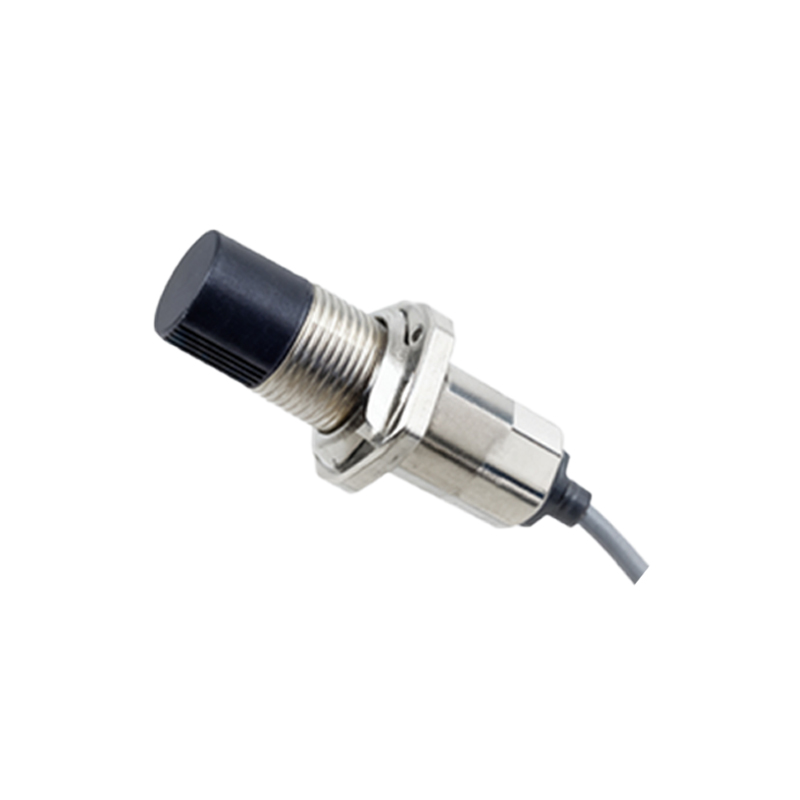
In manufacturing and automation, inductive sensors are ubiquitous. They are extensively used for position detection, such as verifying the presence of a metal part on a conveyor belt, checking if a robot gripper has picked up a component, or confirming the end position of a cylinder in pneumatic systems. Counting metallic objects, like bottles with metal caps or machined parts, is another common application. In machine tools, these sensors monitor tool wear or breakage by detecting the metal tool's position. Their sealed, rugged housings (often in IP67 or higher ratings) make them ideal for harsh environments with dust, moisture, or coolant sprays.
Specialized Use Cases and Configurations
Beyond standard detection, specialized inductive sensors serve niche roles. Cylindrical sensors with threaded barrels are common for mounting in machined holes, while rectangular or block-style variants suit limited spaces. Analog output sensors provide continuous distance measurement, useful for monitoring tolerances or thickness. High-temperature sensors withstand extreme heat near furnaces or welding stations. Additionally, weld-field immune sensors function reliably in areas with strong electromagnetic interference from welding equipment, preventing false triggers. These configurations highlight the sensor's adaptability to diverse operational demands.
Advantages Over Other Sensor Types
Compared to capacitive or photoelectric sensors, inductive types offer distinct benefits. They are unaffected by non-metallic contaminants like dirt, dust, or liquids, ensuring stable performance in dirty industrial settings. With no moving parts, they exhibit high mechanical durability and long service life. Their response time is fast, often in milliseconds, suitable for high-speed production lines. Furthermore, they provide excellent repeat accuracy, crucial for precision automation. However, their limitation to metallic targets is a key consideration; for non-metallic object detection, alternative technologies are required.
Installation and Integration Considerations
Proper installation is vital for optimal performance. Sensors must be mounted with adequate clearance from surrounding metal (to prevent shielding effects) and aligned correctly with the target. Electrical connections should follow manufacturer guidelines, typically involving DC or AC power supplies and load devices like PLCs (Programmable Logic Controllers). Wiring practices, such as using shielded cables in electrically noisy environments, enhance reliability. Regular maintenance involves checking for physical damage, buildup of metallic debris on the sensing face, and verifying output signals. Integration with control systems enables seamless automation, from simple on/off control to complex sequential logic.
Future Trends and Innovations
The evolution of inductive proximity sensors focuses on miniaturization, enhanced intelligence, and connectivity. Smaller sensors enable integration into compact machinery and IoT (Internet of Things) devices. Smart sensors with IO-Link communication provide diagnostic data, such as operating hours or contamination warnings, facilitating predictive maintenance. Advances in materials and electronics are improving sensing ranges and energy efficiency. As Industry 4.0 advances, these sensors will increasingly contribute to data-driven manufacturing, offering real-time insights for optimized production processes and reduced downtime.
Conclusion
Inductive proximity sensors remain indispensable in modern industrial ecosystems, providing reliable, contactless detection of metallic objects. Their versatility across applications—from basic presence sensing to complex positional feedback—underscores their value in enhancing automation efficiency and safety. By understanding their principles, applications, and proper implementation, engineers can leverage these sensors to build robust, high-performance systems. As technology progresses, their role will expand, further solidifying