Introduction to Analog Proximity Sensors
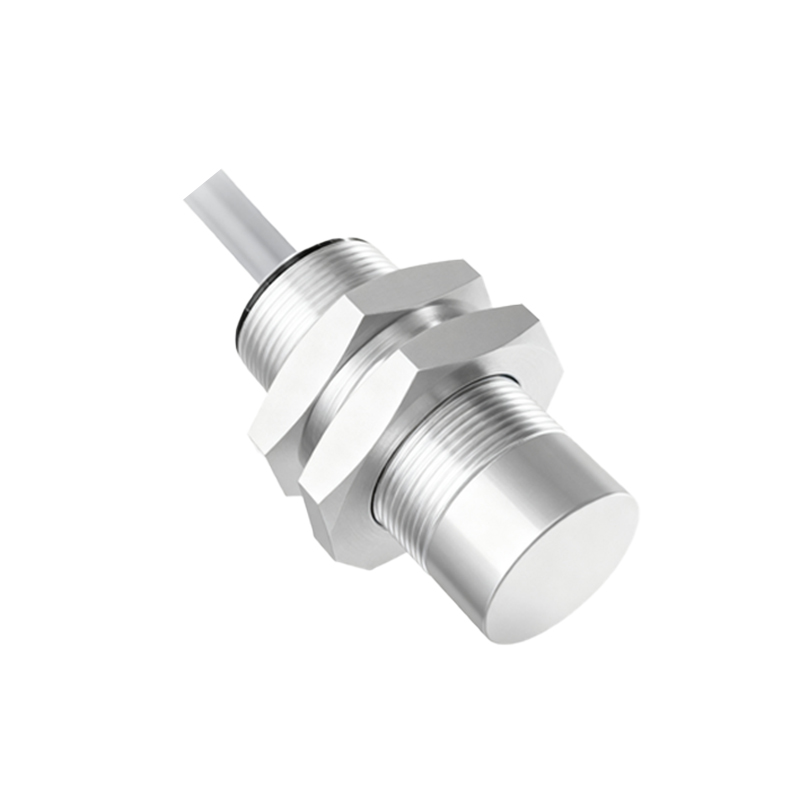
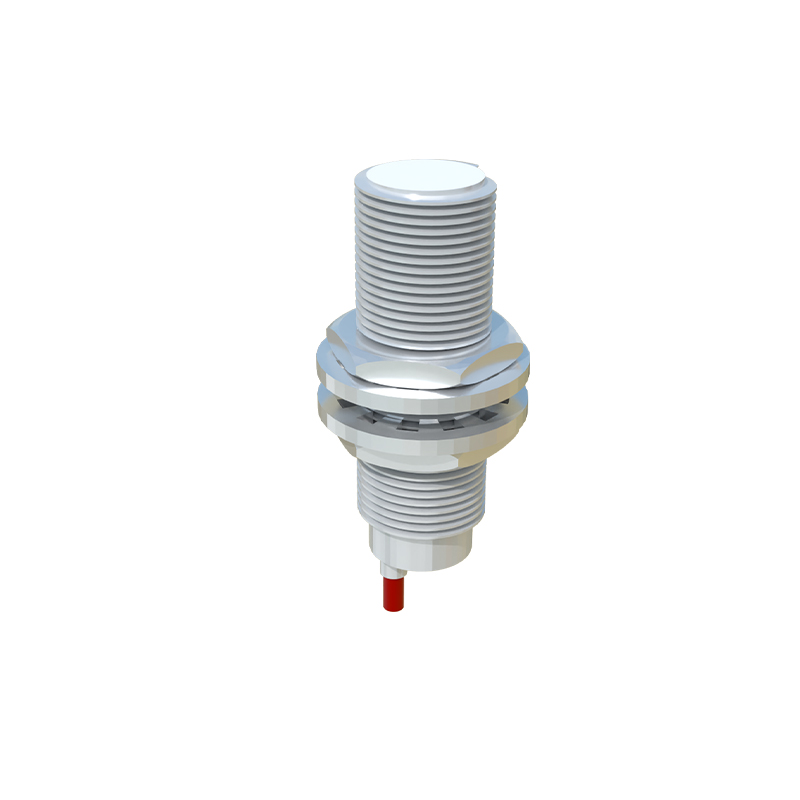
Analog proximity sensors are essential components in modern industrial automation, designed to detect the presence or absence of objects without physical contact. Unlike digital sensors that provide simple on/off outputs, analog sensors generate a continuous signal proportional to the distance between the sensor and the target. This capability allows for precise measurement and monitoring in various applications, from manufacturing lines to robotics. These sensors typically operate based on inductive, capacitive, or ultrasonic principles, with inductive types being most common for metallic objects. Their ability to deliver real-time, variable data makes them invaluable in processes requiring fine-tuned control, such as positioning, sorting, and quality inspection. By converting physical proximity into an analog voltage or current signal, they enable systems to respond dynamically to changes in the environment, enhancing efficiency and accuracy in automated operations.
Key Characteristics of Analog Proximity Sensors
One of the primary features of analog proximity sensors is their linear output, which varies consistently with distance. For instance, an inductive analog sensor might output 0-10V or 4-20mA signals corresponding to a specific range, such as 2 to 10 millimeters. This linearity ensures reliable measurements, allowing operators to gauge exact positions or detect subtle movements. Additionally, these sensors offer high resolution, meaning they can distinguish minute changes in proximity, which is crucial for applications like assembly or material handling. Another notable characteristic is their response time; analog sensors typically have fast response rates, enabling rapid detection in high-speed processes. They also exhibit good repeatability, consistently returning the same output under identical conditions, which minimizes errors in repetitive tasks. Moreover, many analog sensors are built with robust housings to withstand harsh industrial environments, including exposure to dust, moisture, and temperature fluctuations.
Advantages Over Digital Sensors
Analog proximity sensors provide several advantages compared to their digital counterparts. The continuous output signal allows for more detailed information, facilitating complex control systems where precise distance data is needed. For example, in conveyor systems, analog sensors can monitor object height or alignment continuously, whereas digital sensors only indicate presence or absence. This leads to improved process optimization and reduced waste. Furthermore, analog sensors often have adjustable sensing ranges and thresholds, offering flexibility in diverse applications. They can integrate seamlessly with programmable logic controllers (PLCs) and other automation devices, supporting analog input modules for data acquisition. In terms of cost-effectiveness, while analog sensors may be slightly more expensive initially, their ability to enhance precision and reduce downtime can lead to long-term savings. Their compatibility with existing industrial networks, such as IO-Link, also adds to their versatility, enabling remote configuration and diagnostics.
Common Applications in Industry
Analog proximity sensors are widely used across various industrial sectors due to their precision and reliability. In automotive manufacturing, they assist in robotic welding and painting by ensuring accurate part positioning. In packaging lines, these sensors monitor fill levels or detect misaligned items, contributing to quality control. They also play a vital role in material handling equipment, such as cranes and lifts, where they help prevent collisions by measuring distances to obstacles. Another application is in semiconductor production, where ultra-precise sensor data ensures delicate components are handled correctly. Additionally, analog sensors are employed in agricultural machinery for tasks like seed spacing and in renewable energy systems for monitoring turbine blade positions. Their adaptability makes them suitable for both stationary and mobile machinery, enhancing safety and productivity. As industries embrace Industry 4.0, the demand for analog sensors with smart features, like self-calibration and predictive maintenance, continues to grow.
Selection and Installation Considerations
When choosing an analog proximity sensor, several factors must be considered to ensure optimal performance. The sensing principle—inductive, capacitive, or ultrasonic—should match the target material and environment. Inductive sensors are ideal for metals, while capacitive types can detect non-metallic objects. The sensing range and output type (e.g., voltage or current) should align with the application requirements. Installation is equally critical; sensors should be mounted securely to avoid vibrations that could affect readings, and proper shielding may be necessary to minimize electromagnetic interference. Regular calibration and maintenance are recommended to sustain accuracy, especially in demanding conditions. It's also important to consult manufacturer specifications for temperature ratings and ingress protection (IP) codes to ensure durability. By carefully evaluating these aspects, engineers can leverage analog sensors to improve system responsiveness and reduce operational costs.
Future Trends and Innovations
The evolution of analog proximity sensors is driven by advancements in technology and increasing automation needs. Future trends include the integration of IoT capabilities, allowing sensors to transmit data wirelessly for real-time analytics and cloud-based monitoring. Miniaturization is another key development, enabling sensors to fit