Introduction to Photoelectric Sensor Technology in Automotive Displays
Modern Audi instrument clusters represent a sophisticated fusion of digital artistry and precise engineering. At the heart of their functionality lie advanced photoelectric sensors, critical components that enable seamless interaction between the vehicle and the driver. These sensors operate on the principle of converting light signals into electrical impulses, forming the backbone of ambient light detection, display dimming, and touch or proximity sensing in digital cockpits. Unlike traditional mechanical sensors, photoelectric variants offer superior reliability, faster response times, and greater design flexibility, allowing Audi engineers to create immersive, adaptive user interfaces. Their integration is fundamental to achieving the brand's signature blend of luxury, technology, and intuitive operation, setting a benchmark in the automotive human-machine interface (HMI) landscape.
Core Operating Principles and Sensor Architecture
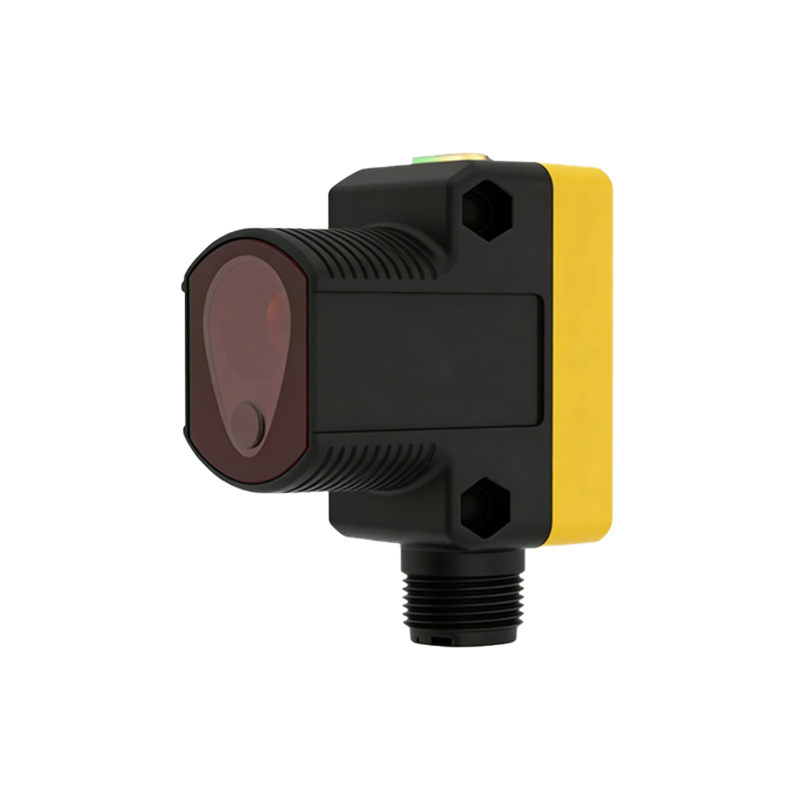
The operational framework of these sensors is elegantly precise. A typical photoelectric sensor within an Audi Virtual Cockpit consists of an emitter, usually an LED or infrared (IR) diode, and a receiver, such as a phototransistor or photodiode. The emitter projects a beam of light—often invisible infrared—across a defined path. When an object, like a driver's hand approaching a touch-sensitive area, interrupts this beam or when ambient light levels change, the receiver detects the variation in light intensity. This detection triggers a change in the receiver's electrical output, which is then processed by a dedicated microcontroller. For ambient light sensing, this data is used to automatically adjust the brightness and color temperature of the digital gauges and infotainment screens, ensuring optimal visibility in all driving conditions, from bright sunlight to pitch-dark nights, without driver intervention.
Key Applications within the Audi Instrument Cluster
Photoelectric sensors fulfill several pivotal roles. Primarily, they are the enablers of automatic display dimming. An array of ambient light sensors strategically placed around the cluster and cabin continuously monitors external and internal lighting, instructing the system to adapt in real-time. This not only enhances readability but also reduces eye strain during prolonged drives. Secondly, they facilitate touch and gesture control on high-resolution screens. Infrared sensor grids embedded at the screen's periphery create an invisible detection field, interpreting taps, swipes, and hand gestures for controlling navigation, media, and vehicle settings. Furthermore, in some models, these sensors contribute to driver monitoring systems by detecting the driver's presence or attentiveness, adding a layer of safety to the luxury experience.

Engineering Challenges and Innovative Solutions
Integrating such sensitive optoelectronics into a vehicle's dashboard presents significant engineering hurdles. The sensors must operate flawlessly across an extreme temperature range, from freezing cold to desert heat, and withstand constant vibration. Audi addresses this through rigorous component selection, robust sealing against dust and moisture, and advanced signal processing algorithms that filter out electrical noise from the vehicle's many other systems. Another challenge is ensuring consistent performance despite potential contamination from dust or condensation on the lens. Solutions include self-diagnostic routines that can alert the system to a degraded sensor and the use of redundant sensor arrays to maintain functionality. The compact packaging required within the sleek design of the instrument cluster demands miniaturized surface-mount device (SMD) sensors, showcasing Audi's commitment to space-efficient, high-density electronics.
Material Science and Optical Component Design
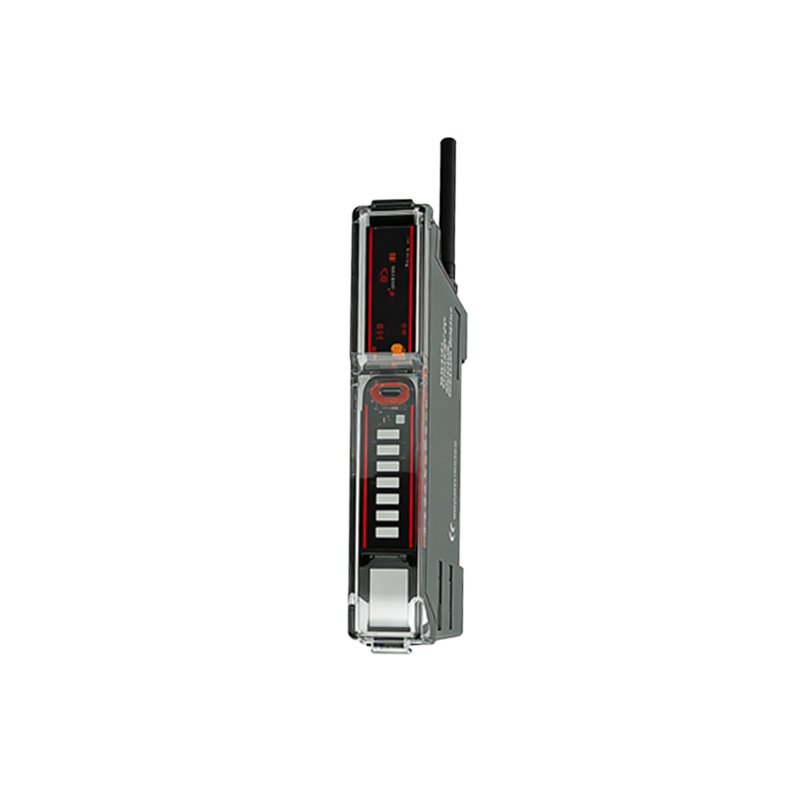
The performance and longevity of these sensors are heavily dependent on material choices. The emitter and receiver lenses are typically molded from high-grade optical polymers like polycarbonate or PMMA (acrylic), selected for their clarity, durability, and resistance to yellowing from UV exposure. The semiconductor materials within the IR LEDs and photodiodes, often based on gallium arsenide (GaAs), are engineered for specific wavelength sensitivity and output stability. The housing materials must provide electromagnetic shielding to prevent interference while also managing heat dissipation from the active components. This meticulous attention to material science ensures that the sensors deliver consistent, accurate data throughout the vehicle's lifespan, maintaining the integrity of the driver information system.
The Future Trajectory: Towards More Intelligent Sensing
The evolution of photoelectric sensing in Audi's cockpits is steering towards greater integration and intelligence. The next generation involves multispectral sensors capable of distinguishing between different types of light sources—such as direct sunlight, overcast skylight, and artificial streetlights—for even more nuanced display adjustments. Furthermore, the convergence with time-of-flight (ToF) sensors will enable precise 3D gesture recognition, allowing for more complex and intuitive controls without physical contact. As Audi progresses towards fully digital and augmented reality head-up displays (AR HUDs), these sensors will play an even more critical role in mapping the driver's viewpoint and adjusting projected information accordingly. The ultimate goal is a fully adaptive, context-aware cockpit that anticipates driver needs, with photoelectric sensors acting as its essential sensory organs.
Conclusion: The Unseen Pillar of User Experience
In conclusion, the advanced photoelectric sensors embedded within Audi instrument clusters are far more than simple components; they are the silent, intelligent facilitators of a premium driving experience. Their precise operation ensures that critical information is always presented clearly and interactively, adapting seamlessly to the environment and the driver. Through continuous innovation in optoelectronics, materials, and system integration, Audi solidifies its position at the forefront of automotive digital interior design. These unseen engineering marvels underscore a fundamental truth in modern vehicle design: the most impactful technologies are often those that work so perfectly, they become invisible to the user, yet indispensable to the experience.