Understanding Photoelectric Sensor Fundamentals
Photoelectric sensors are indispensable components in modern industrial automation, offering non-contact detection of objects. They operate by emitting a beam of light, typically from an LED, and detecting changes in the received light signal. The three primary operating principles are through-beam, retro-reflective, and diffuse reflective. Through-beam sensors, with separate emitter and receiver units, provide the longest sensing ranges and highest reliability. Retro-reflective types use a reflector to bounce light back to a combined emitter/receiver unit, offering a good balance of range and ease of installation. Diffuse sensors detect light reflected directly from the target itself, making them compact and simple to set up, though sensing distance is target-dependent. Grasping these basics is the first step in selecting a sensor that delivers value without unnecessary cost.
Key Factors Influencing Photoelectric Sensor Price
The price of a photoelectric sensor is not arbitrary; it's a direct reflection of its capabilities and construction. Key cost drivers include sensing range, required precision, and response speed. A sensor needing to detect a small object at 10 meters will inherently cost more than one for a large pallet at 1 meter. The type of light source also matters; red LED sensors are economical, while precise laser models or specialized infrared units command higher prices. Environmental robustness is another major factor. Sensors with high Ingress Protection (IP) ratings for dust and water resistance, wide operating temperature ranges, and rugged housings (often metal) to withstand vibration and impact cost more than basic plastic-housed models. Finally, advanced features like programmable logic, teach-in functions, precise background suppression, or IO-Link communication add functionality and cost.
Strategies for Identifying Cost-Effective Options
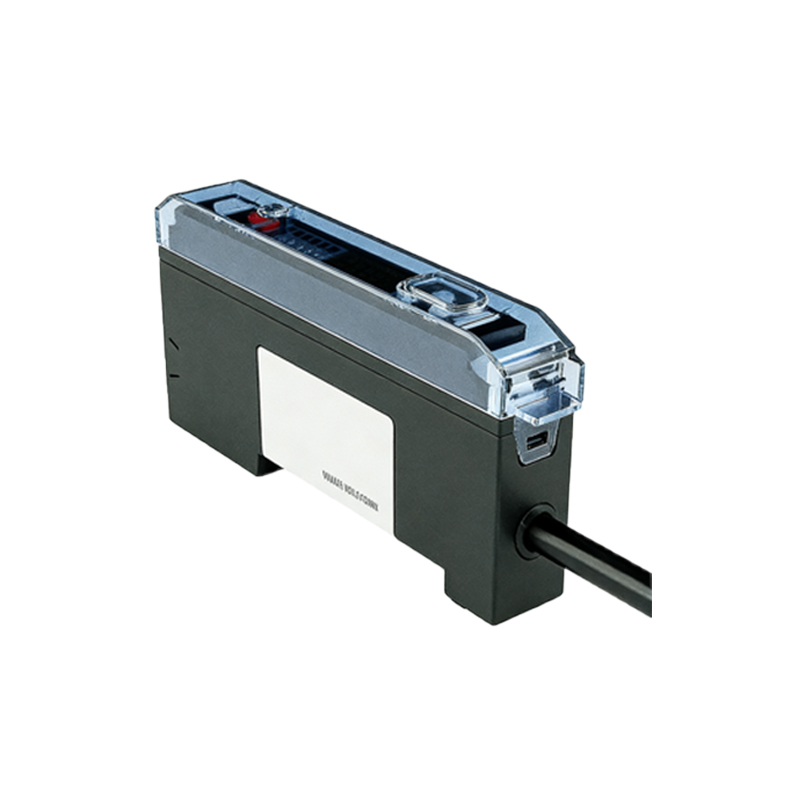
Achieving a reasonable price means paying only for the performance you truly need. Start by meticulously defining your application requirements: required sensing distance, target size and material, required response time, and environmental conditions. Avoid the common pitfall of over-specifying. For example, if your environment is clean and dry, a lower IP rating is sufficient. Consider the total cost of ownership, not just the unit price. A slightly more expensive sensor with higher reliability can prevent costly production downtime. Explore the offerings from reputable second-tier manufacturers who often provide robust performance at a lower price point than market leaders. Finally, standardize sensor models across your facility where possible to benefit from volume purchasing and simplify maintenance.
The Role of Supplier Selection and Support
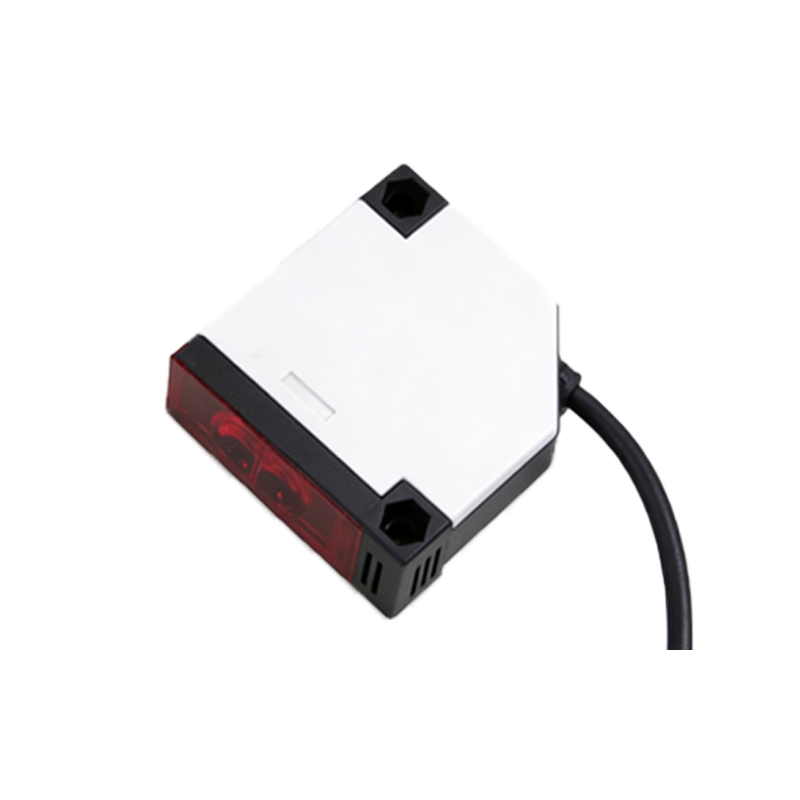
The relationship with your supplier is a critical component in securing a reasonable price and long-term value. A knowledgeable distributor or direct manufacturer's representative can be an invaluable partner. They can help you avoid application mismatches that lead to premature failure and extra cost. Look for suppliers with strong technical support, comprehensive documentation, and readily available stock or short lead times, which reduce hidden costs of delays. Request samples for testing in your actual application before committing to a large purchase; a reliable supplier will support this. Furthermore, evaluate the supplier's warranty terms and after-sales service. A sensor with a competitive price but no local support can become expensive if issues arise.

Balancing Performance, Durability, and Budget
The quest for a reasonably priced photoelectric sensor is ultimately an exercise in intelligent compromise. It involves balancing the technical specifications with the financial constraints of the project. For non-critical applications with stable conditions, a standard diffuse sensor may be perfectly adequate. For harsh environments or critical process points, investing in a more durable, feature-rich model is the economically sound decision to ensure continuous operation. Modern sensors often offer a "good, better, best" portfolio. The "good" model covers most standard needs at an attractive price, while the "best" includes all advanced features for demanding tasks. Identifying where your application falls on this spectrum is key to spending wisely and achieving optimal return on investment in your automation systems.