Introduction to Photoelectric Sensor Outputs
In industrial automation and control systems, photoelectric sensors are indispensable for detecting the presence, absence, or position of objects without physical contact. The core functionality of these sensors hinges on their ability to convert a detected light signal into an electrical output signal that a Programmable Logic Controller (PLC) or other control device can interpret. This output signal is the critical interface between the sensing event and the subsequent control action. Among the various output types available, Digital Output (DO) and Analog Output (AO) are the two most fundamental and widely used configurations. Understanding the distinction between these outputs, their operational principles, and their ideal application scenarios is paramount for system designers and engineers to ensure optimal performance, reliability, and cost-effectiveness in any automated setup.
Digital Output (DO): The On/Off Signal
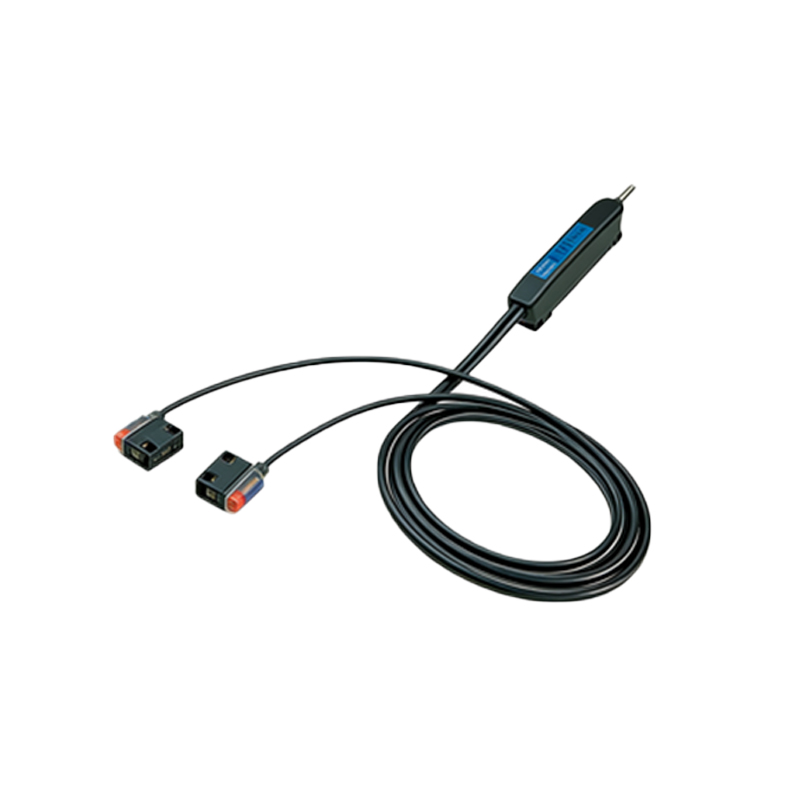
A Digital Output, often referred to as a switch output, provides a discrete, binary signal. This means the output exists in one of two clearly defined states: typically ON (logic high, e.g., 24V DC) or OFF (logic low, e.g., 0V). The transition between these states is triggered when the received light intensity crosses a pre-set threshold. For instance, in a through-beam sensor, the output switches ON when the beam is broken by an object, and switches OFF when the beam is restored. DO sensors are further categorized into different switching modes like Light-ON/Dark-ON and configurations such as NPN (sinking) or PNP (sourcing). The primary advantage of DO sensors is their simplicity, robustness, and noise immunity. They deliver a clear, unambiguous command perfect for applications requiring definitive actions: part present/absent verification, counting objects on a conveyor, triggering a solenoid valve, or initiating a stop/start sequence for a motor. Their design is straightforward, often leading to lower cost compared to analog variants.
Analog Output (AO): The Continuous Signal
In contrast, an Analog Output provides a continuous signal that varies in proportion to the measured quantity. Instead of a simple on/off switch, the AO sensor's output voltage or current changes linearly (or according to a defined curve) with changes in the received light intensity. Common analog signal standards include 0-10V DC or 4-20mA current loops. This continuous output allows the sensor to convey not just the presence of an object, but also information about its characteristics. For example, an AO sensor can measure the transparency of a film, the fill level of a translucent container, the precise edge position of a web material, or the diameter of an object by detecting gradual changes in light attenuation. This provides a much richer data set to the control system, enabling precise monitoring and proportional control. However, analog signals are generally more susceptible to electrical noise over long cable runs and require analog input modules on the PLC, which can increase system complexity and cost.
Key Differences and Selection Criteria
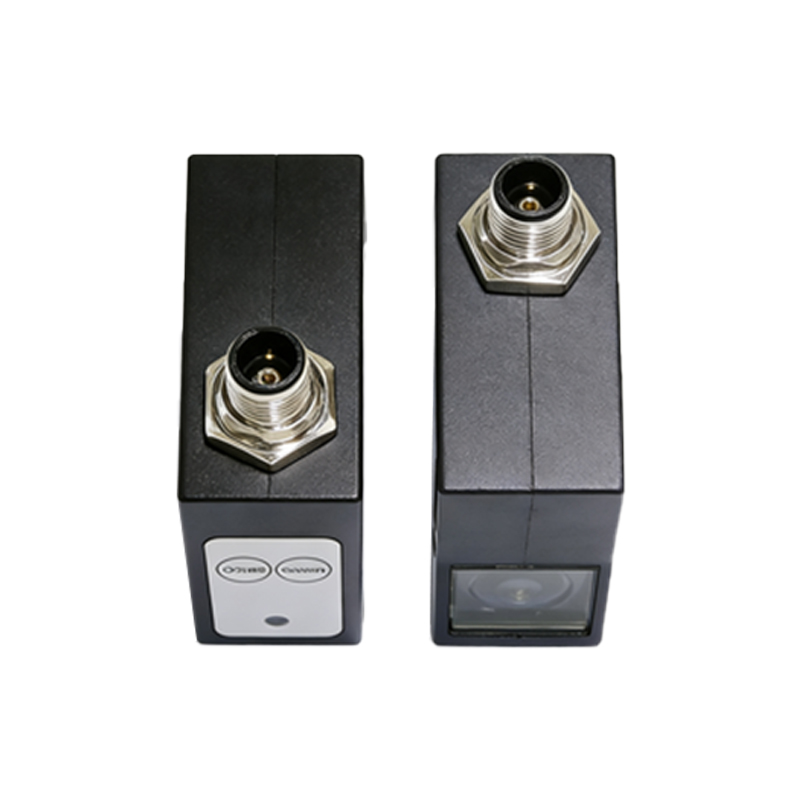
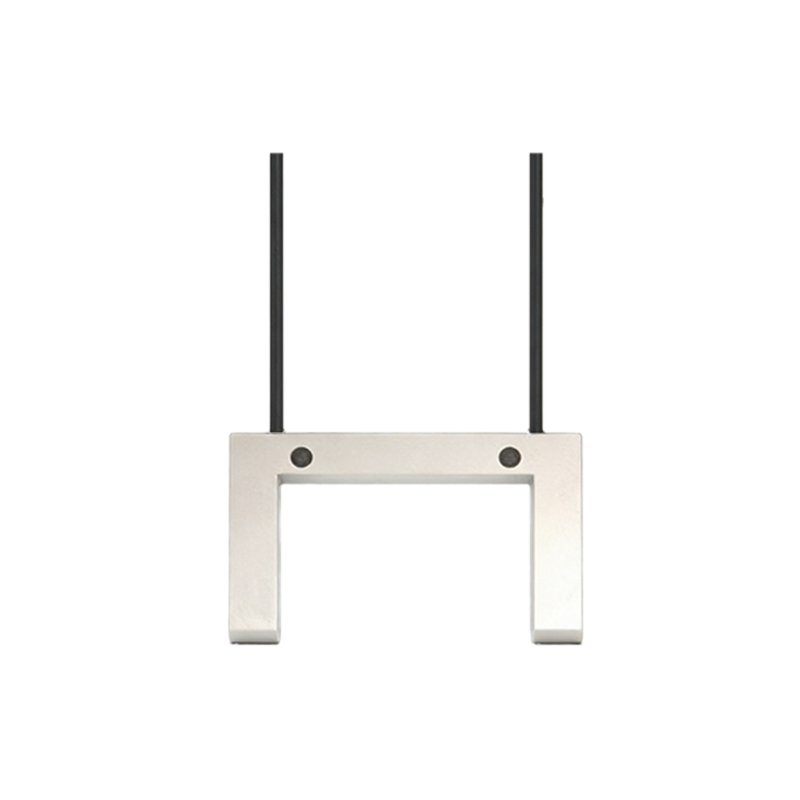
The choice between DO and AO hinges on the specific application requirements. DO sensors are the go-to solution for discrete event detection. They answer simple yes/no questions: Is the part there? Has the bottle reached the filling station? Is the door open? Their output is easy to process with standard digital PLC inputs. AO sensors are essential for measurement and proportional feedback applications. They answer quantitative questions: How transparent is this? How much material is left? How far is the object from the sensor? Selection must consider factors beyond function. DO sensors offer superior noise resistance, simpler wiring, and faster response times for switching events. AO sensors provide granular data but require careful shielding, may have slower update rates, and involve higher initial hardware and configuration investment. Environmental factors like ambient light interference or dust can also influence the stability of analog readings more significantly than digital thresholds.
Advanced Configurations and Hybrid Solutions
Modern photoelectric sensors often incorporate advanced features that blur the lines between simple DO and AO. Many sensors with analog sensing capabilities include programmable switching points. This means the sensor internally measures an analog value but provides one or more digital outputs that activate when the measured value crosses user-defined thresholds. For example, a sensor monitoring tank opacity could provide a DO warning signal at 90% opacity and a critical shutdown DO signal at 95% opacity. Furthermore, IO-Link communication, a point-to-point serial protocol, is becoming a standard feature. An IO-Link enabled photoelectric sensor can transmit detailed analog measurement data, device parameters, and diagnostic information (like lens contamination warnings) digitally to the controller, combining the rich data of analog with the robustness and intelligence of digital communication. This facilitates advanced condition monitoring and predictive maintenance strategies.
Conclusion and Application Best Practices
In summary, Digital Output photoelectric sensors provide reliable, cost-effective solutions for binary detection tasks, forming the backbone of discrete automation. Analog Output sensors unlock capabilities for precise measurement and continuous monitoring, essential for process control and quality inspection. The engineer's task is to meticulously analyze the application: Is the requirement for detection or measurement? What level of precision is needed? What are the environmental constraints and the available budget for controllers and wiring? By applying this fundamental understanding of DO versus AO, engineers can specify the correct sensor technology, ensuring system efficiency, accuracy, and long-term reliability. Always consult specific sensor datasheets for detailed specifications on switching frequency, linearity, resolution, and environmental ratings to finalize the optimal component selection for your control system design.