Introduction to Proximity Sensor Deployment
Proximity sensors are ubiquitous in modern industrial automation, serving as the silent sentinels that detect the presence or absence of objects without physical contact. Their deployment is strategic, driven by the need for reliability, speed, and non-invasive monitoring in harsh environments. Understanding where these sensors are implemented is key to appreciating their role in enhancing efficiency, safety, and precision across numerous sectors. From the heart of manufacturing assembly lines to the intricate mechanisms of consumer electronics, proximity sensors provide critical data for control systems. Their ability to function in conditions filled with dust, moisture, or extreme temperatures makes them indispensable. This article explores the primary industrial and commercial domains where proximity sensors are most commonly found, detailing their specific applications and the value they deliver.
Automated Manufacturing and Assembly Lines
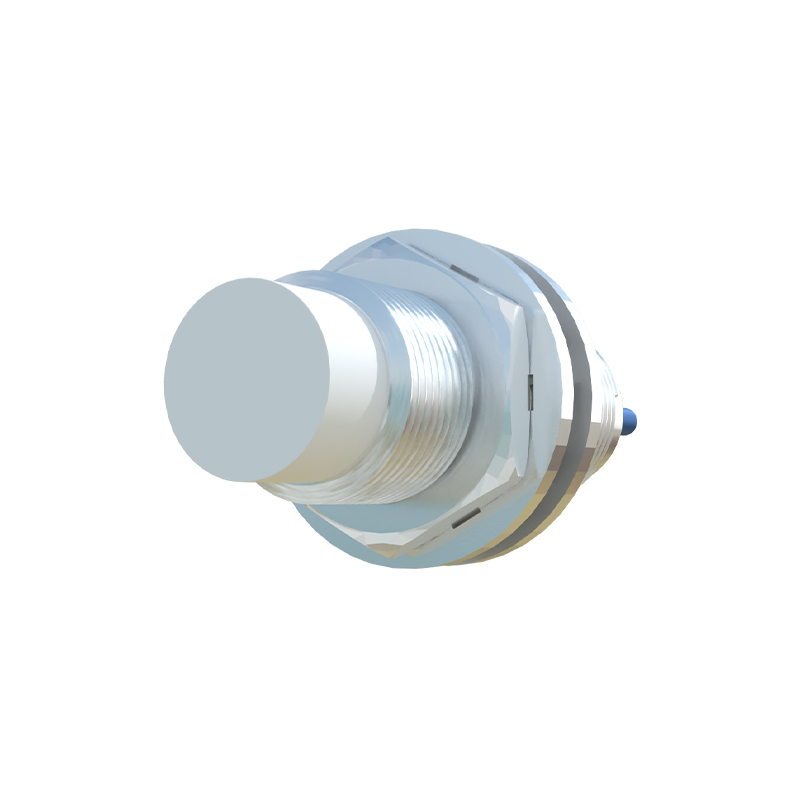
The manufacturing sector is arguably the largest domain for proximity sensors. Here, they are fundamental to automated processes. On conveyor systems, inductive proximity sensors detect metallic parts for counting, sorting, or verifying position before a robotic arm performs a pick-and-place operation. Capacitive sensors handle non-metallic materials like plastic, glass, or wood, ensuring bottles are filled to the correct level or panels are present for packaging. In machine tools, sensors monitor the position of slides, turrets, and spindles, providing feedback for CNC control systems to ensure machining accuracy. They also act as safety interlocks, confirming that guarding doors are securely closed before dangerous machinery is activated, protecting both personnel and equipment.
Material Handling and Logistics
Warehouses and distribution centers heavily rely on proximity sensors to streamline material flow. In automated storage and retrieval systems (AS/RS), sensors precisely position cranes and shuttles by detecting reference points on rails, ensuring goods are stored and retrieved from the correct bins. On palletizers and depalletizers, they verify the presence of layers or individual boxes. Forklifts often use ultrasonic or inductive sensors for obstacle detection and load positioning. Furthermore, on sorting conveyor belts, a network of sensors identifies package location and size, directing items to the appropriate chute or loading dock, optimizing throughput and minimizing errors in the supply chain.
Automotive Industry Applications
The automotive industry, from manufacturing to the final vehicle, is saturated with proximity sensor technology. On the production line, sensors control robotic welding arms, confirm part installation (like engines or doors), and inspect component alignment. Within the vehicle itself, they enhance both functionality and safety. Ultrasonic sensors provide parking assistance, creating the audible warnings as a car approaches an obstacle. Inductive sensors monitor wheel speed for anti-lock braking systems (ABS) and transmission gear position. Newer models incorporate capacitive sensors for touch-sensitive dashboard controls or to detect a passenger's presence for airbag deployment logic, showcasing the technology's evolution into user interfaces and advanced safety systems.
Food and Beverage Processing
Hygiene and reliability are paramount in food and beverage processing, making certain types of proximity sensors ideal. Stainless-steel-housed inductive sensors, capable of withstanding frequent high-pressure washdowns, are used to detect metal cans, foil lids, or machinery parts. Capacitive sensors monitor levels of liquids, grains, or powders in silos and mixing vats without direct contact, preventing contamination. They also verify the presence of caps on bottles or labels on jars on high-speed filling lines. The non-contact nature of these sensors eliminates a potential point for bacterial growth and reduces maintenance compared to mechanical switches, which is critical for meeting stringent health standards.
Packaging Machinery Operations
High-speed packaging machinery demands extreme precision, which is enabled by proximity sensors. They ensure packaging film is present and correctly threaded in form-fill-seal machines. Sensors detect the position of cartons before they are erected and filled. In labeling applications, they trigger the label dispenser at the exact moment the product passes by. Photoelectric and inductive sensors work in tandem to count products entering a multi-pack, ensuring the correct quantity is bundled. The reliability of these sensors minimizes downtime and waste, directly impacting production efficiency and cost-effectiveness in industries ranging from pharmaceuticals to consumer goods.
Commercial and Consumer Electronics
Beyond heavy industry, proximity sensors are integral to everyday devices. In smartphones and tablets, an infrared or capacitive proximity sensor disables the touchscreen and turns off the display when the device is held to the ear during a call, saving power and preventing accidental inputs. Automatic faucets, soap dispensers, and hand dryers use infrared sensors to detect hands, promoting hygiene and conserving water or power. Interactive kiosks and digital signage may use sensors to detect user presence, waking from a sleep mode to engage customers. These applications highlight the sensor's role in creating intuitive, energy