Introduction to Desoray Photoelectric Sensors
In the realm of industrial automation, photoelectric sensors play a pivotal role in ensuring precision, reliability, and efficiency. Among the elite offerings in this sector, original imported Desoray photoelectric sensors stand out as a benchmark of quality and innovation. Manufactured with stringent German engineering standards, these sensors are designed to meet the demanding requirements of diverse applications, from manufacturing lines to packaging systems. The core technology behind Desoray sensors involves advanced optical components that enable accurate detection of objects, regardless of their material, color, or surface texture. By leveraging cutting-edge LED light sources and high-sensitivity receivers, these sensors deliver consistent performance even in challenging environments with dust, moisture, or varying light conditions. The commitment to excellence is evident in every aspect, from the robust housing that ensures durability to the intuitive design that simplifies installation and maintenance. For industries seeking to enhance operational productivity, Desoray photoelectric sensors offer a reliable solution that minimizes downtime and maximizes output.
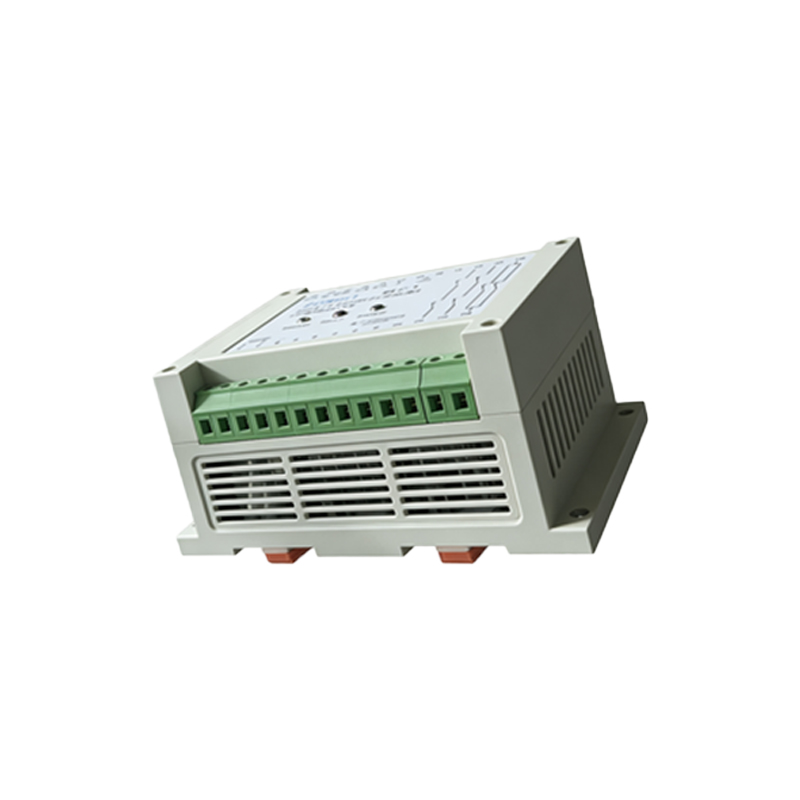
Key Features and Technological Advantages
Desoray photoelectric sensors incorporate a range of features that set them apart from conventional alternatives. One of the standout attributes is their high-resolution sensing capability, which allows for detection of minute objects with precision down to millimeter levels. This is achieved through sophisticated modulation techniques that reduce interference from ambient light, ensuring stable operation in dynamic settings. Additionally, these sensors support multiple operating modes, including through-beam, retro-reflective, and diffuse reflection, providing flexibility for various installation scenarios. The integrated smart diagnostics function enables real-time monitoring of sensor status, alerting users to potential issues before they escalate into failures. With a wide operating voltage range and immunity to electromagnetic interference, Desoray sensors are suitable for integration into complex electrical systems without compromising safety. The use of premium materials, such as corrosion-resistant stainless steel and impact-resistant polymers, further enhances their longevity, making them a cost-effective investment for long-term applications.
Applications Across Industrial Sectors
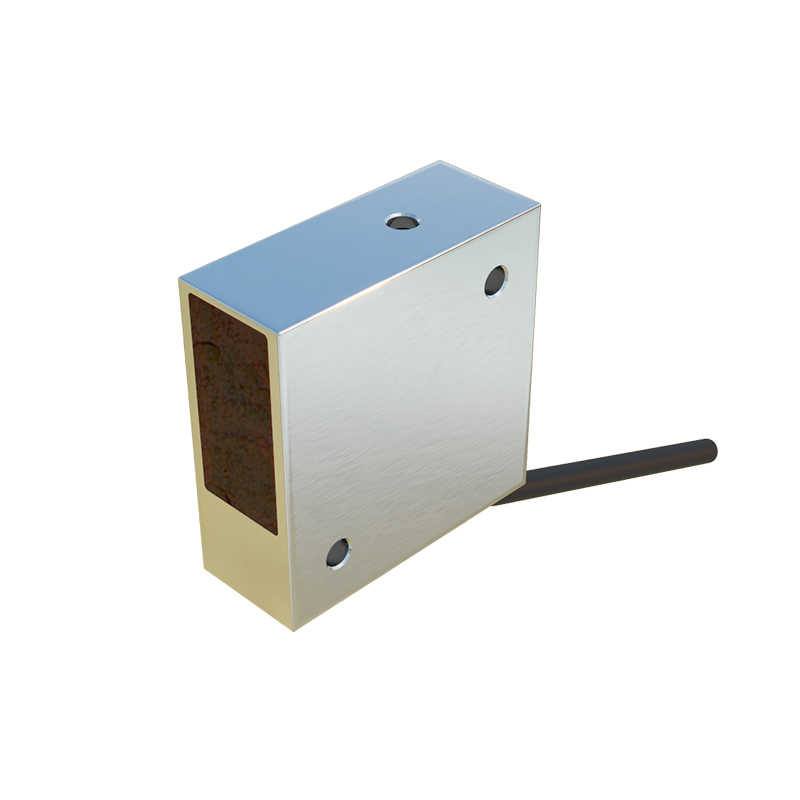
The versatility of Desoray photoelectric sensors makes them indispensable across numerous industries. In automotive manufacturing, they are employed for part positioning, assembly verification, and robotic guidance, contributing to streamlined production processes. The food and beverage sector relies on these sensors for packaging control, fill-level detection, and contamination prevention, adhering to strict hygiene standards. Similarly, in logistics and warehousing, Desoray sensors facilitate automated sorting, conveyor belt monitoring, and inventory management, boosting efficiency in supply chain operations. Their ability to operate in extreme temperatures and harsh conditions also makes them ideal for outdoor applications, such as in agricultural machinery or construction equipment. By providing reliable object detection and measurement, these sensors help reduce waste, improve quality control, and ensure worker safety, ultimately driving innovation and competitiveness in global markets.
Installation and Maintenance Guidelines

To maximize the performance of Desoray photoelectric sensors, proper installation and maintenance are crucial. During setup, it is essential to align the emitter and receiver accurately, avoiding obstructions that could cause false triggers. The sensors should be mounted securely using provided brackets, with attention to environmental factors like vibration or temperature fluctuations. Regular cleaning of lenses with a soft cloth is recommended to prevent dust accumulation, which can impair sensitivity. For troubleshooting, the built-in LED indicators offer immediate feedback on operational status, while the user manual provides detailed error codes and solutions. Desoray offers comprehensive technical support and training resources, ensuring that users can leverage the full potential of these sensors. By following these guidelines, businesses can extend the lifespan of their equipment and maintain optimal functionality, reducing overall operational costs.
Future Trends and Industry Impact
As Industry 4.0 continues to evolve, the role of photoelectric sensors like those from Desoray is expanding. Future developments are expected to focus on enhanced connectivity, with sensors incorporating IoT capabilities for seamless data exchange with central control systems. This will enable predictive maintenance, where sensors can analyze performance trends and schedule repairs proactively, minimizing unplanned downtime. Additionally, advancements in miniaturization and energy efficiency will allow for more compact designs with lower power consumption, supporting sustainable industrial practices. Desoray is at the forefront of these innovations, investing in research to integrate artificial intelligence for adaptive sensing and improved accuracy. By embracing these trends, industries can achieve greater automation, smarter decision-making, and enhanced productivity, solidifying Desoray's position as a leader in photoelectric sensor technology.