Introduction to Cost-Effective Sensing Solutions
In the competitive landscape of industrial automation, selecting the right photoelectric sensor often involves a careful balance between performance, durability, and cost. While premium brands dominate high-precision applications, a growing segment of manufacturers delivers reliable sensing at a significantly lower price point. These affordable photoelectric sensor brands have become essential for cost-sensitive projects, small to medium-sized enterprises, and applications where extreme precision is not the primary concern. They offer the core functionalities needed for standard detection tasks—such as presence/absence, counting, and positioning—without the premium associated with specialized features or extensive brand legacy. Understanding this market segment is crucial for engineers and procurement specialists aiming to optimize their automation budgets without compromising on fundamental reliability.
Key Features of Budget-Friendly Photoelectric Sensors
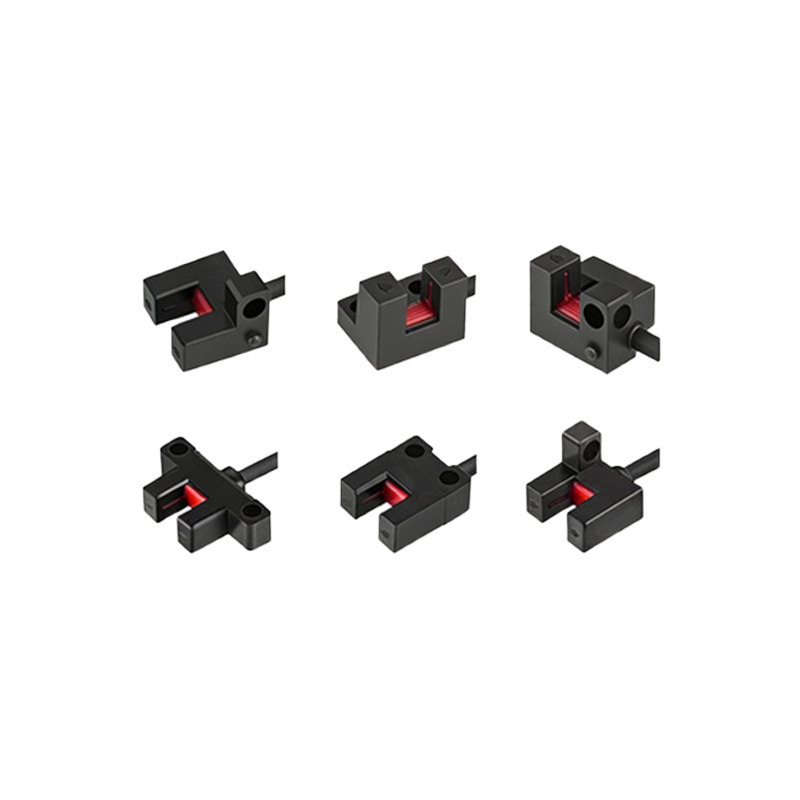
Affordable photoelectric sensors typically focus on delivering robust core performance. Common features include standard sensing ranges (from a few centimeters to several meters), basic housing materials like ABS or PBT plastics, and fundamental output types such as NPN/PNP transistor switching. They often come with simple potentiometer adjustments for sensitivity and may offer a choice between diffuse, retro-reflective, and through-beam models. While they may lack advanced diagnostics, IO-Link communication, or specialized housings for extreme environments, these sensors are perfectly capable of handling standard factory conditions involving dust, minor moisture, and typical ambient light interference. The emphasis is on a simplified design that reduces manufacturing complexity and cost, passing the savings to the end-user.
Top Contenders for the Most Affordable Brands
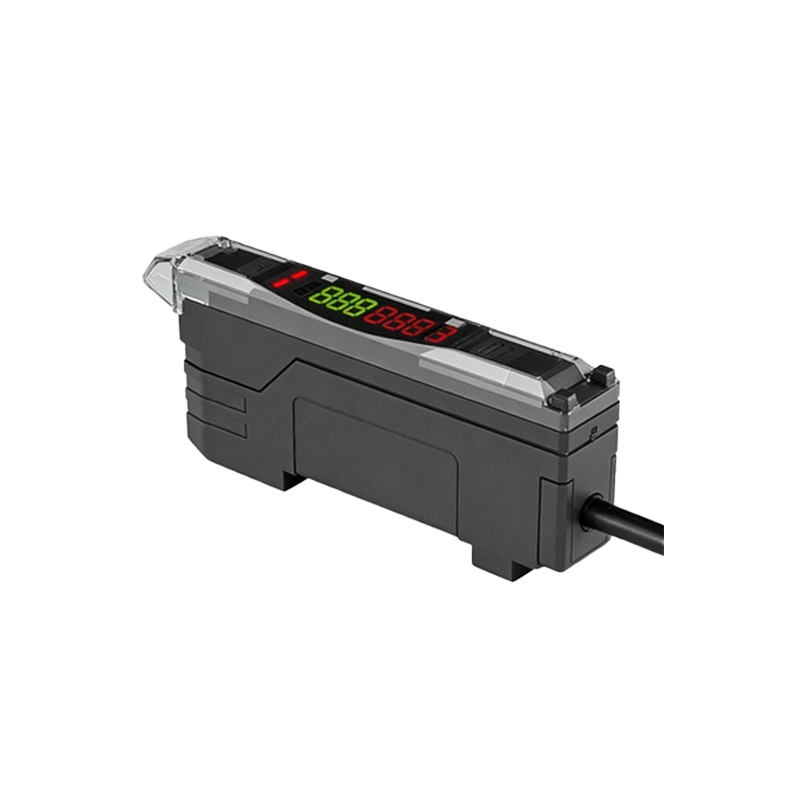
Several brands have established strong reputations for providing low-cost photoelectric sensors. Autonics is frequently highlighted for its vast catalog of sensors that offer excellent value, combining consistent performance with very competitive pricing. Keyence, though known for high-end solutions, also offers entry-level series like the PM series that are priced accessibly for basic tasks. Omron's E3Z standard model series is another industry staple, known for durability and a global supply chain that helps keep costs down. Sick's WTB series provides a reliable, no-frills option from a premium manufacturer. For those exploring direct sourcing, brands like IFM Efector (certain basic models) and Panasonic (Sunx sensors) also have competitive offerings in the economy segment. It's important to note that pricing can vary dramatically based on distributor, region, and order volume.
Trade-offs and Considerations When Choosing
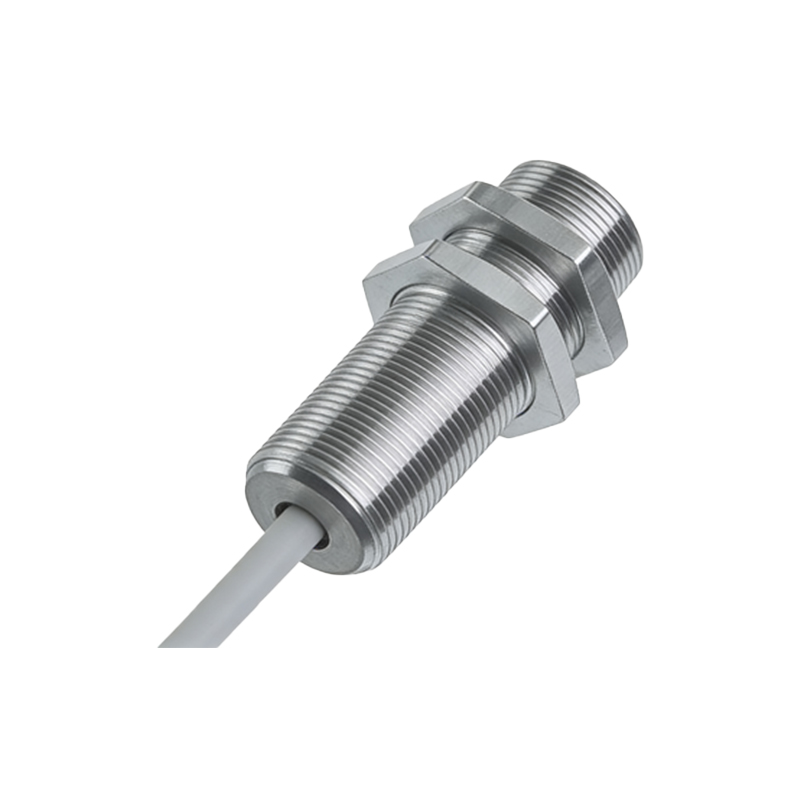
Opting for a lower-cost sensor invariably involves certain trade-offs. Engineers must carefully evaluate the application's requirements against potential limitations. These may include slightly reduced sensing range accuracy, longer response times compared to high-speed models, and less robust environmental sealing (typically IP67 instead of IP69K). Support and documentation might be less comprehensive, and lead times could be longer for less common models. The lifecycle and mean time between failures (MTBF) might also be shorter than top-tier brands. However, for many standard applications—like conveyor belt object detection, box counting, or simple jam detection—these trade-offs are acceptable and the cost savings can be substantial, allowing for sensor deployment across more points within the same budget.
Application Scenarios for Economical Sensors
Budget photoelectric sensors excel in a wide array of non-critical industrial applications. They are extensively used in packaging machinery for basic product detection, in material handling for pallet presence verification, and in assembly lines for part positioning. Small automated storage and retrieval systems, basic sorting lines, and entry-level robotics often utilize these sensors effectively. They are also ideal for prototyping, educational purposes, and retrofitting older machinery where the cost of a full premium sensor upgrade is prohibitive. The key to successful implementation is a thorough understanding of the operating environment to ensure factors like dirt accumulation, temperature swings, or electrical noise do not exceed the sensor's specified capabilities.
Sourcing and Total Cost of Ownership (TCO)
Finding the best price requires looking beyond the initial unit cost. Sourcing from authorized distributors for the mentioned brands often provides the best balance of price, warranty, and support. However, many system integrators also turn to broad-line electronic component suppliers or direct import channels for even lower prices, though this may risk counterfeit products or lack of technical support. Calculating the Total Cost of Ownership (TCO) is vital. This includes not just the purchase price, but also installation time, maintenance frequency, replacement costs due to failure, and potential downtime. A slightly more expensive sensor from a reliable budget brand with better availability might offer a lower TCO than the absolute cheapest option with uncertain longevity.
Conclusion and Final Recommendations
The market for affordable photoelectric sensors is vibrant and offers viable solutions for a majority of standard industrial sensing tasks. Brands like Autonics, Omron (E3Z series), and basic models from Keyence and Sick represent a sweet spot of proven reliability and low cost. The decision should be driven by a clear specification of the application's needs, an honest assessment of the operational environment, and a TCO analysis. For non-critical, high-volume applications where failure can be easily managed, the most economical choices make perfect sense. Always request samples for testing in the actual application before committing to a large purchase to validate performance and compatibility.