Understanding the Core Functionality
Magnetic proximity sensors are non-contact devices that detect the presence or absence of a magnetic field, typically generated by a permanent magnet or an electromagnet. Their operation hinges on the interaction between an external magnetic field and the sensor's internal sensing element, such as a reed switch, Hall-effect IC, or magnetoresistive component. This fundamental principle allows for reliable detection of ferrous and non-ferrous targets, positioning, and speed measurement in diverse industrial environments. The absence of mechanical contact translates to exceptional longevity, high switching frequency, and immunity to contaminants like dust, oil, and moisture, making them indispensable in automation, automotive, and safety applications.
Key Performance Indicators: Sensing Distance
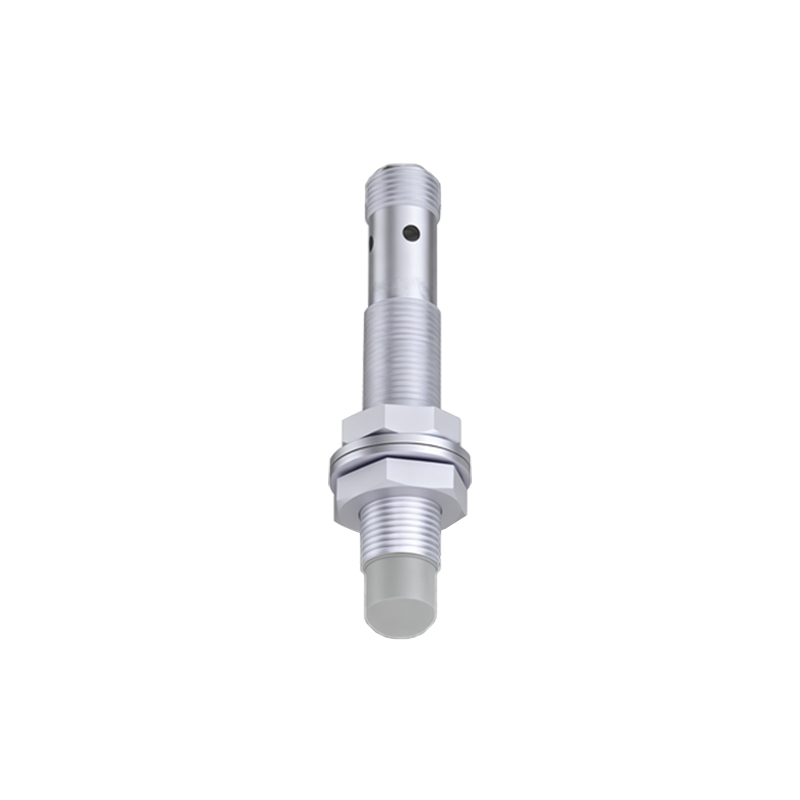
The rated operating distance, or sensing distance (Sn), is arguably the most critical specification. It defines the standard distance at which a sensor can reliably detect a standard target under defined conditions. Engineers must carefully consider both the nominal value and the associated tolerance, which is typically ±10%. The effective sensing distance can be influenced by factors such as target material, size, shape, and temperature. For instance, a sensor rated for 10mm may only achieve 8mm with a smaller target. Furthermore, the installation method—flush or non-flush—significantly impacts the sensing characteristics; flush-mountable sensors exhibit a more consistent magnetic field but a shorter range compared to their non-flush counterparts.
Switching Frequency and Response Time
In high-speed automation, switching frequency and response time are paramount. Switching frequency, measured in Hertz (Hz), indicates the maximum number of on/off cycles a sensor can perform per second. This is directly linked to the sensor's internal technology; Hall-effect sensors often offer frequencies in the kilohertz range, far exceeding mechanical reed switches. Response time, comprising both turn-on and turn-off delay, defines how quickly the sensor reacts to a changing magnetic field. A fast response time ensures precise timing in sequential control and high-speed counting applications. Engineers must match these specifications to the application's speed requirements to avoid missed counts or system lag.
Hysteresis: Ensuring Operational Stability
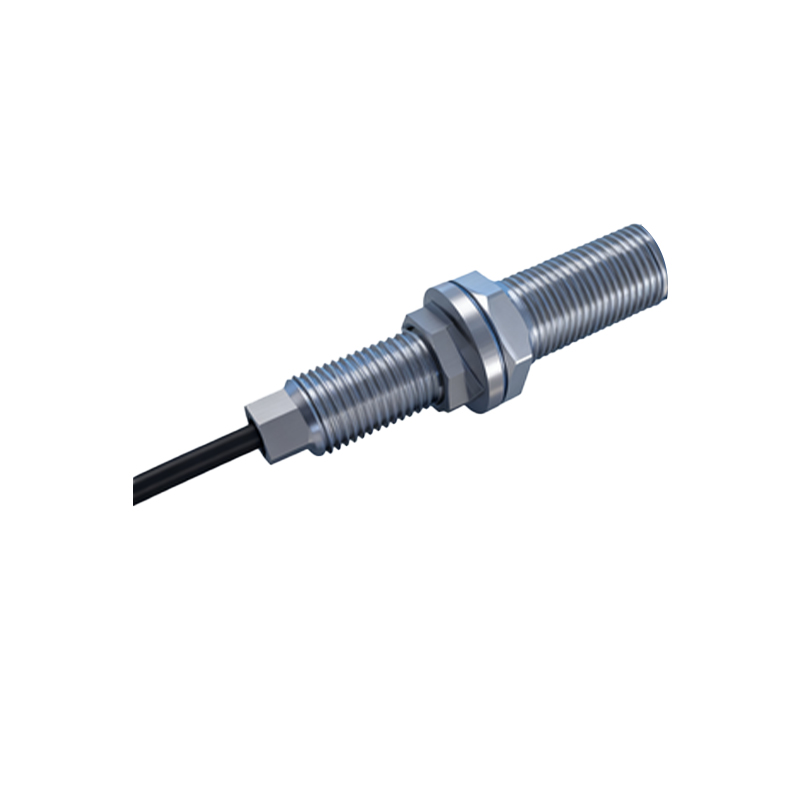
Hysteresis is a deliberate design feature that prevents output oscillation or chattering when the target is near the detection point. It creates a differential between the switch-on point (when the target approaches) and the switch-off point (when the target recedes). This "dead band" ensures a clean, single switching action even in the presence of vibration, minor target wobble, or external magnetic interference. A well-defined hysteresis value, often expressed as a percentage of the sensing distance, is crucial for stable operation in dynamic environments. Insufficient hysteresis can lead to erratic sensor behavior and potential damage to connected control systems.
Environmental and Electrical Specifications
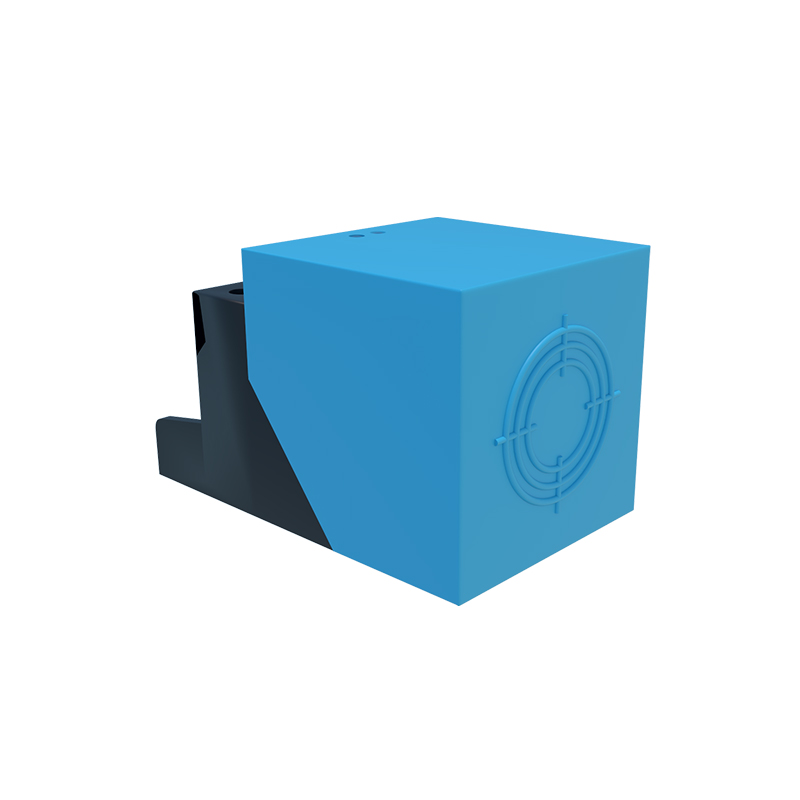
Robust performance under harsh conditions is a hallmark of industrial-grade sensors. Key environmental specifications include operating temperature range, typically from -25°C to +70°C or wider for specialized units, and ingress protection (IP) rating (e.g., IP67) against dust and water. Electrically, the rated supply voltage (e.g., 10-30V DC) and current consumption must be compatible with the control system. Output configuration—PNP (sourcing) or NPN (sinking), NO (normally open) or NC (normally closed)—must be correctly selected for the PLC or controller interface. Short-circuit and reverse polarity protection are highly desirable features that enhance system reliability and prevent damage during installation or fault conditions.
Accuracy, Repeatability, and Long-Term Drift
For precision applications, accuracy and repeatability are vital. Accuracy refers to the closeness of the measured switch point to its true value, while repeatability is the sensor's ability to consistently return to the same switch point under unchanged conditions. Factors affecting these include temperature stability of the sensing element and internal signal conditioning circuitry. Long-term drift describes a gradual change in performance characteristics over the sensor's lifetime due to material aging or environmental stress. High-quality sensors specify minimal drift to ensure consistent performance over years of operation without requiring frequent recalibration or replacement.
Selecting the Right Sensor for the Application
A successful design integrates all performance metrics. For a slow-moving, dirty environment like a conveyor detecting large metal parts, sensing distance and robust housing (IP69K) may be priorities. For a high-speed packaging machine counting small components, switching frequency and minimal response time are critical. In safety-critical applications like door position sensing, high repeatability and fail-safe design are non-negotiable. Always consult the manufacturer's detailed datasheet, which provides curves for temperature derating, sensing distance versus target size, and other application-specific data. Prototyping and testing