Introduction to Photoelectric Sensor Screws
In the realm of industrial automation, photoelectric sensors are indispensable components for detection, positioning, and measurement. While the optical components receive most of the attention, the mechanical fastening system, particularly the screws, is critical for ensuring sensor stability, alignment, and longevity. This guide provides a comprehensive visual and technical overview of the various screws used with photoelectric sensors, detailing their types, materials, and proper application methods to guarantee optimal performance in demanding environments.
Common Screw Types and Their Visual Identification
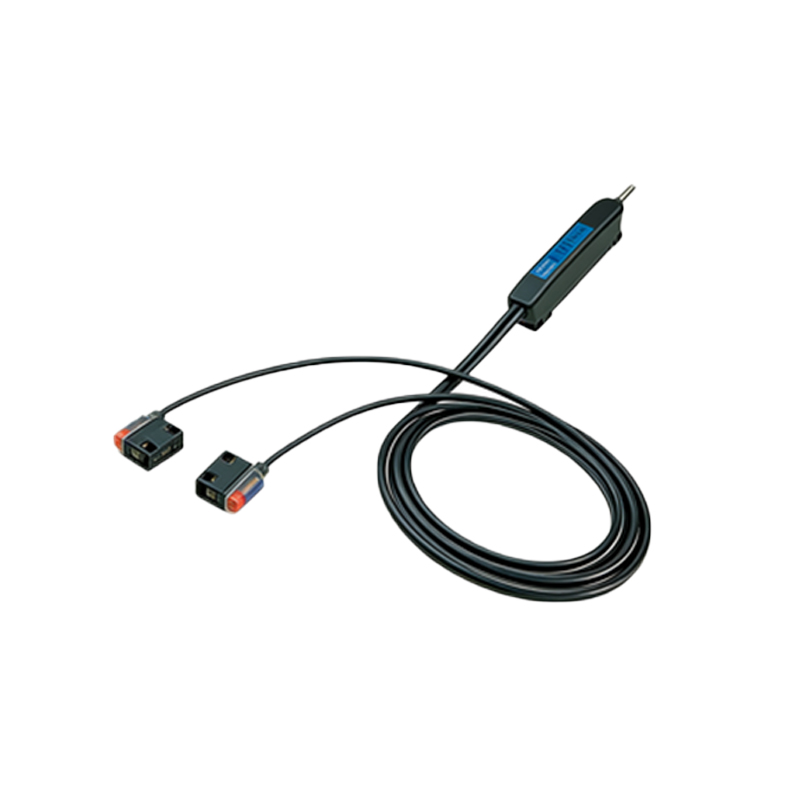
A wide array of screw types is employed to mount and secure photoelectric sensors. The most prevalent is the machine screw, typically featuring a pan head or flat head with a Phillips or slotted drive. These are used for direct mounting into threaded holes on sensor brackets or machinery. Self-tapping screws, with their sharp threads, are designed for creating threads in softer materials like plastic sensor housings or sheet metal enclosures. Captive screws, which remain attached to the sensor housing even when loosened, are invaluable for preventing loss in field maintenance. Thumb screws, with large, knurled heads, allow for tool-free adjustment and are common on adjustable bracket assemblies. Finally, set screws, often headless and with a hex socket, are used to secure sensor bodies within mounting collars or to lock adjustable components in place. Each type has a distinct profile visible in technical diagrams and installation manuals.
Material Specifications and Corrosion Resistance
The material composition of photoelectric sensor screws is chosen based on the operating environment. Stainless steel, particularly grades 304 and 316, is the industry standard for its excellent corrosion resistance, making it suitable for washdown areas, food processing, and outdoor applications. Zinc-plated or chromated steel screws offer good protection at a lower cost for general industrial use. In highly corrosive chemical environments, screws made from specialized alloys or with advanced coatings like PTFE (Teflon) may be specified. For applications requiring non-magnetic or non-sparking properties, such as in certain electronic or hazardous areas, brass or aluminum screws are utilized. The material must be compatible with the sensor housing and mounting surface to prevent galvanic corrosion, which can seize threads and complicate maintenance.
Critical Dimensions: Thread Size, Pitch, and Length
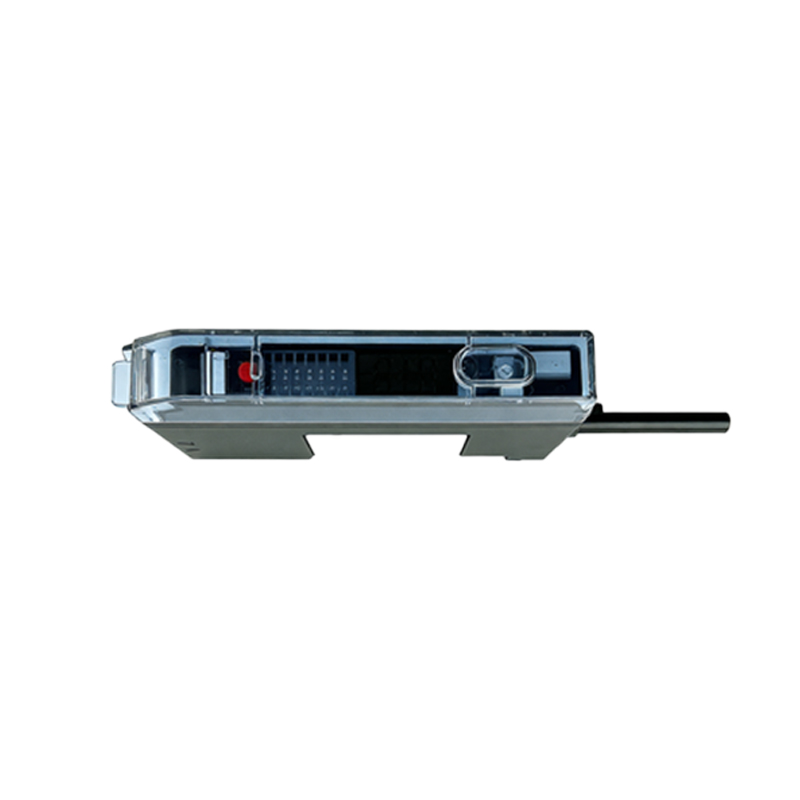
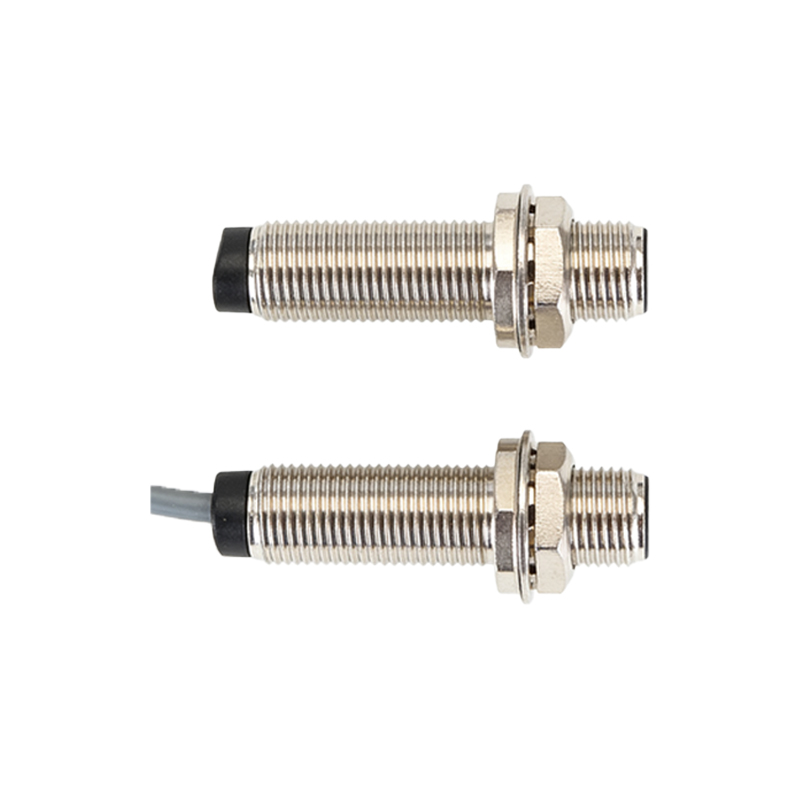
Selecting the correct screw dimensions is paramount for a secure fit. The thread size is most commonly metric, such as M3, M4, or M5, though imperial sizes like #4-40 or #6-32 are found in some equipment. The pitch, or distance between threads, must match the receiving material's threads precisely. Using an incorrect pitch can damage the threads, leading to a weak connection. Screw length is equally crucial; it must be long enough to engage sufficient threads for strength but not so long that it protrudes and interferes with internal sensor components or wiring. Installation guides and sensor datasheets always specify the required screw size and torque values, which should never be exceeded to avoid stripping threads or cracking sensor housings.
Installation Techniques and Torque Considerations
Proper installation is key to sensor reliability. Before inserting a screw, ensure the threads in the mounting hole are clean and free of debris. For self-tapping screws into plastic, a pilot hole of the recommended size is often necessary. The most critical factor is applying the correct tightening torque. Under-torquing can lead to screws loosening due to vibration, causing sensor misalignment and false readings. Over-torquing can strip threads, warp sensor housings, or damage the screw head. A calibrated torque screwdriver should be used whenever possible, following the manufacturer's specifications, which typically range from 0.2 Nm for small M2 screws to 1.2 Nm for larger M5 fasteners. For screws used in adjustable linkages, a thread-locking adhesive may be applied to maintain position.
Application-Specific Screw Configurations
Different photoelectric sensor mounting scenarios demand specific screw setups. Through-beam sensors, with separate emitter and receiver units, often use two or four mounting screws per unit for rigid alignment. Retro-reflective sensors might employ screws with integrated washers to ensure a tight seal against environmental contaminants. Sensors with built-in adjustable brackets frequently use a combination of a set screw to lock the pivot and a machine screw to secure the bracket base. In conveyor mounting applications, specialized shoulder screws or studs might be used to provide a precise stand-off distance from the sensing surface. Reviewing the mechanical drawings for your specific sensor model will reveal the exact screw configuration required.
Maintenance, Inspection, and Replacement
Regular inspection of photoelectric sensor screws is a vital part of preventive maintenance. Technicians should periodically check for signs of loosening, corrosion, or physical damage. In high-vibration environments, screws may need to be re-torqued according to schedule. If a screw shows severe corrosion or the head becomes stripped, it must be replaced immediately with an identical part in terms of type, material, and dimensions. Using an incorrect replacement can compromise the sensor's integrity. Keeping a small inventory of the most common screw types used in your facility, as indicated in sensor manuals and parts lists, can minimize downtime during repairs.
Conclusion: Ensuring System Integrity
The screws that hold photoelectric sensors in place, though small, play an outsized role in system accuracy and uptime. Understanding the different types, materials, and proper handling techniques is essential for engineers and maintenance personnel. By selecting the correct fastener from a comprehensive picture guide, adhering to specified torque values, and performing routine inspections, you ensure that your photoelectric sensors remain precisely aligned and reliably operational, forming a solid mechanical foundation for your automation system's sensing capabilities.