Introduction to Proximity Switches
Proximity switches, often referred to as proximity sensors in industrial contexts, are electronic devices designed to detect the presence or absence of an object without physical contact. These components are widely used in automation, manufacturing, and safety systems due to their reliability and non-invasive operation. They function by emitting an electromagnetic field or a beam of radiation, and changes in the field or return signal indicate an object's proximity. This technology enables precise control in machinery, such as in conveyor belts or robotic arms, where contact-based detection might cause wear or inaccuracies. Understanding the basic principles of proximity switches is essential for engineers and technicians working in electrical and automation fields, as they form a critical part of modern industrial setups.
Defining Sensors and Their Role
Sensors are devices that measure physical properties, such as temperature, pressure, or distance, and convert them into electrical signals for processing by control systems. In the realm of industrial automation, sensors serve as the "eyes and ears" of machinery, providing real-time data to ensure efficient and safe operations. Proximity switches fall under the broader category of sensors because they detect the presence of objects and generate corresponding output signals. However, not all sensors are proximity switches; for instance, thermocouples measure temperature, while pressure transducers gauge force. The key distinction lies in the specific function: proximity switches focus on non-contact detection of nearby objects, making them a specialized type of sensor tailored for positional awareness in automated environments.
Types of Proximity Switches
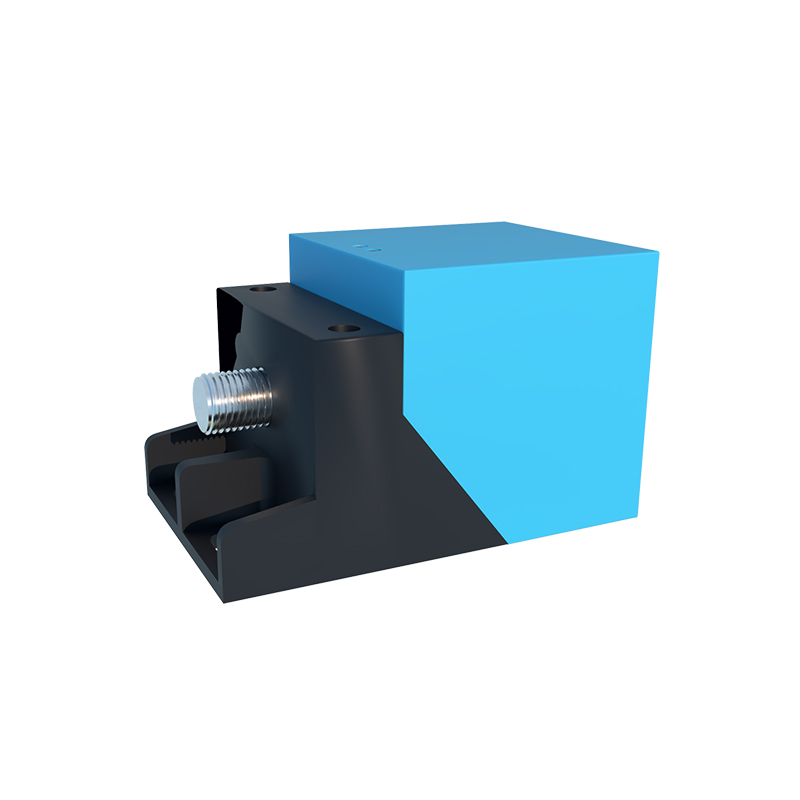
There are several common types of proximity switches, each based on different sensing technologies. Inductive proximity switches detect metallic objects by generating an electromagnetic field; when a metal object enters this field, it induces eddy currents that trigger the switch. Capacitive proximity switches, on the other hand, can detect both metallic and non-metallic materials by measuring changes in capacitance caused by an object's dielectric properties. Ultrasonic proximity switches use sound waves to determine distance, making them suitable for detecting objects in harsh environments where dust or moisture might interfere with other methods. Photoelectric proximity switches rely on light beams, either transmitted or reflected, to sense objects, offering high precision for applications like packaging or sorting. Each type has its advantages, and selection depends on factors such as material, range, and environmental conditions.
Applications in Industrial Settings
Proximity switches are integral to various industrial applications, enhancing automation and safety. In manufacturing lines, they are used for object detection to control machine operations, such as stopping a conveyor when a product is misaligned or counting items as they pass by. Robotics heavily relies on proximity switches for precise positioning and collision avoidance, allowing robots to interact safely with their surroundings. In the automotive industry, these devices monitor assembly processes, ensuring components are correctly placed before welding or painting. Additionally, proximity switches contribute to safety systems by detecting when guards are open or when personnel are too close to hazardous machinery, triggering emergency stops. Their versatility and durability make them indispensable in modern factories, where efficiency and reliability are paramount.
Technical Specifications and Selection Criteria
When selecting a proximity switch, engineers must consider several technical specifications to ensure optimal performance. Sensing range, typically measured in millimeters, determines how far an object can be detected; longer ranges may be needed for large machinery, while shorter ranges offer higher precision. Output type is another critical factor, with common options including digital (e.g., NPN or PNP transistors) or analog signals, which interface with PLCs (Programmable Logic Controllers) or other control systems. Environmental ratings, such as IP (Ingress Protection) codes, indicate resistance to dust and water, essential for harsh industrial conditions. Operating temperature and voltage requirements also play a role, as extremes can affect reliability. By evaluating these parameters, professionals can choose the right proximity switch for specific tasks, minimizing downtime and maintenance costs.
Common Misconceptions and Clarifications
A frequent misconception in the electrical industry is that all proximity switches are simply called sensors, but this oversimplification can lead to confusion. While proximity switches are a subset of sensors, the term "sensor" encompasses a wide array of devices beyond proximity detection. For example, a limit switch, which requires physical contact to activate, is not a proximity switch but still falls under the sensor category. Additionally, some may assume proximity switches only work with metals, but capacitive and ultrasonic types can detect various materials. Clarifying these distinctions helps in accurate communication and proper component selection, ensuring that systems are designed with the correct technology for the intended application. Engineers should refer to datasheets and industry standards to avoid errors in implementation.