Understanding Proximity Sensor Technology
Proximity sensors are fundamental components in modern industrial automation and electrical systems. These non-contact devices detect the presence or absence of an object within a specified sensing range without any physical contact. The core principle involves generating an electromagnetic field or a beam of radiation and monitoring for changes in the field or return signal. Common technologies include inductive sensors for detecting metallic objects, capacitive sensors for both metallic and non-metallic materials, photoelectric sensors using light beams, and ultrasonic sensors employing sound waves. The choice of technology is critical and depends on factors such as the target material, required sensing distance, environmental conditions (like dust, moisture, or temperature extremes), and response speed. A deep understanding of these operational principles is the first step in selecting a reliable supplier, as their expertise must encompass the nuances of each sensing method.
Key Criteria for Evaluating Suppliers
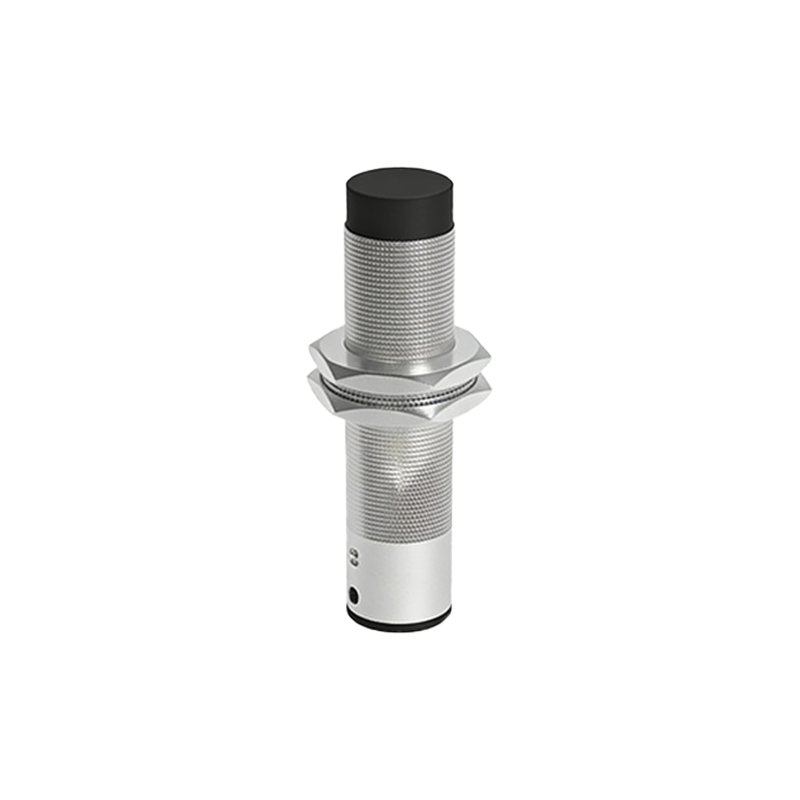
Selecting the right technical proximity sensor supplier goes beyond comparing price lists. Engineers must assess suppliers based on a multi-faceted set of criteria. Technical support and application engineering are paramount; a superior supplier provides pre-sales consultation to ensure the correct sensor is specified for the challenge. Product quality and consistency, verified through certifications like ISO 9001, ensure reliability in demanding applications. The breadth and depth of the product portfolio indicate a supplier's capability to handle diverse needs, from miniature tubular sensors to heavy-duty models. Delivery reliability and logistical capabilities prevent production line stoppages. Finally, the supplier's commitment to innovation, evidenced by regular new product introductions and adaptation to industry trends like IO-Link communication, signals a partnership that can support future growth.
Leading Global Suppliers and Their Specializations
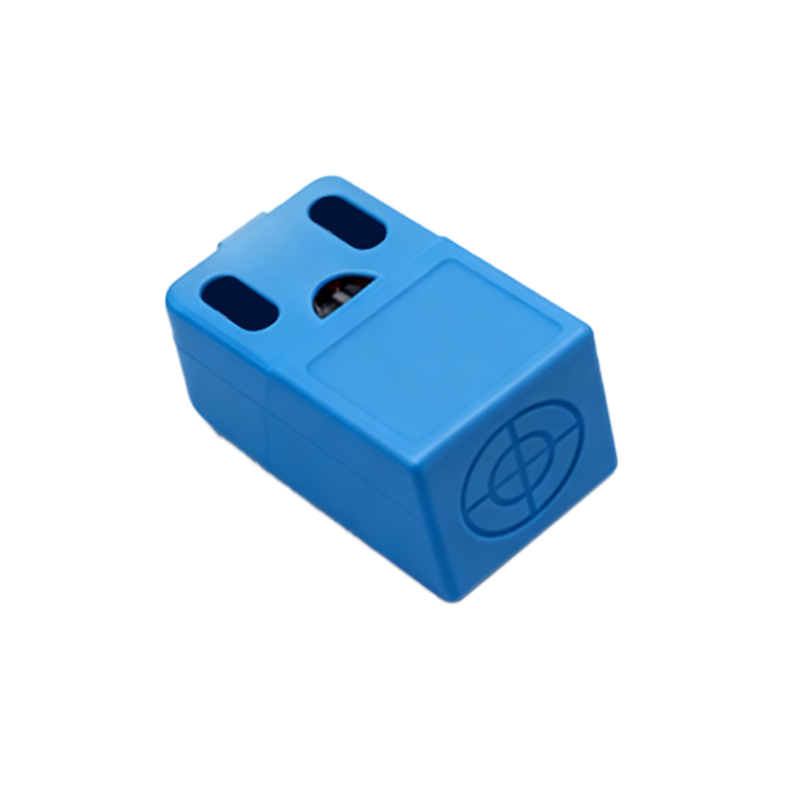
The market for proximity sensors is served by several established global leaders, each with distinct strengths. Companies like Siemens and Schneider Electric offer comprehensive automation portfolios where sensors integrate seamlessly with their PLCs and drives, providing a unified system solution. Japanese suppliers such as Omron and Keyence are renowned for their high-precision, innovative sensor technology, often leading in miniaturization and advanced features like background suppression in photoelectric sensors. Banner Engineering holds a strong reputation in the North American market for robust and reliable photoelectric and ultrasonic sensors. For purely inductive and capacitive proximity sensors, brands like Pepperl+Fuchs and Turck are industry benchmarks, particularly in harsh and hazardous environments due to their expertise in intrinsic safety and rugged designs.
The Importance of Customization and Application Support
Off-the-shelf solutions are not always sufficient for complex industrial applications. Therefore, a supplier's ability to offer customization and deep application support is a critical differentiator. This may involve modifying sensing ranges, output types (PNP/NPN, analog, IO-Link), housing materials (stainless steel, PTFE coating), or connector styles. Some suppliers provide engineering services to develop fully custom sensor solutions for unique challenges. Exceptional application support includes detailed technical documentation, CAD models for easy integration into machine designs, and responsive field engineers who can troubleshoot installation or interference issues. A supplier that acts as a solutions partner, rather than just a component vendor, adds significant value by reducing system integration time and mitigating operational risk.
Future Trends and Supply Chain Considerations
The proximity sensor industry is evolving rapidly. Smart sensors with embedded diagnostics and digital communication (IO-Link, Ethernet-APL) are becoming standard, enabling predictive maintenance and richer data collection for Industry 4.0 initiatives. Suppliers at the forefront of these trends offer a more future-proof product range. Furthermore, recent global events have highlighted the importance of supply chain resilience. Evaluating a supplier's manufacturing footprint, inventory strategy, and lead time stability is now a core part of the selection process. Diversifying sources or choosing suppliers with multiple production facilities can mitigate risk. Additionally, environmental regulations are driving demand for sensors with longer lifespans, energy-efficient designs, and materials that comply with RoHS and REACH directives, which progressive suppliers are already addressing.