Understanding the Impact of Cold on Sensor Components
Photoelectric sensors, widely used in industrial automation for detection, positioning, and counting, rely on precise electronic and optical components. These components, including light-emitting diodes (LEDs), phototransistors, and signal processing circuits, have specified operational temperature ranges. When environmental temperatures drop significantly below the sensor's rated minimum—often around -10°C to -25°C for standard models—material properties and electrical behaviors begin to change. The semiconductor materials in the emitter and receiver can experience reduced carrier mobility, leading to slower response times. Furthermore, the viscosity of optical lens coatings or adhesives may increase, potentially causing minor misalignments or reduced light transmission efficiency. The cumulative effect is a deviation from the sensor's calibrated performance parameters, which can manifest as reduced sensing range, intermittent operation, or complete failure in extreme cases.
Common Failure Modes and Symptoms
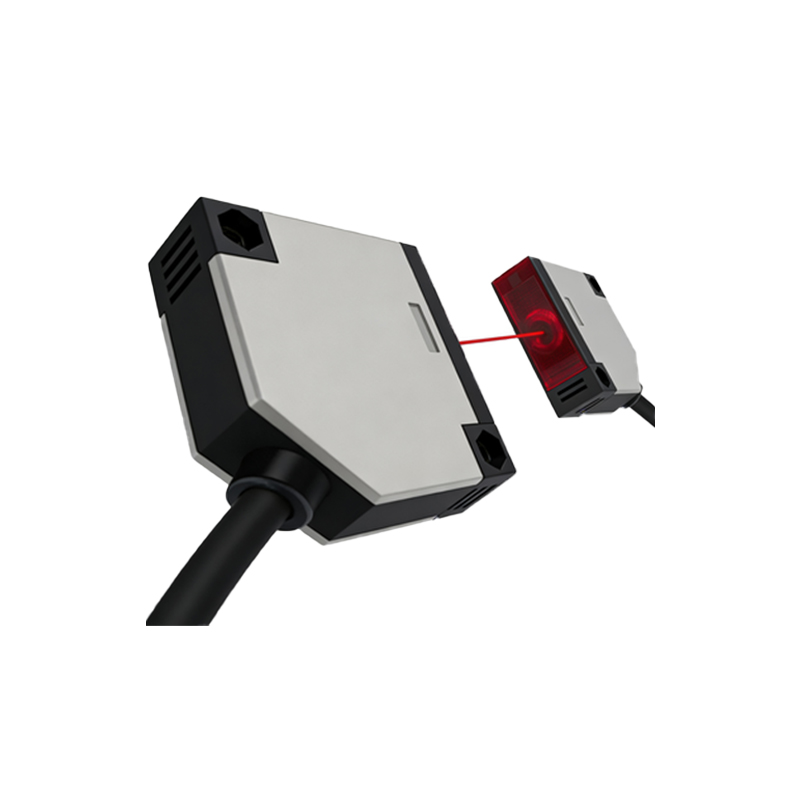
Operators and maintenance personnel should be vigilant for specific symptoms indicating low-temperature stress. A primary symptom is an increased rate of false negatives, where the sensor fails to detect an object within its nominal sensing range. This is often due to a weakened output signal from the photodetector, which may fall below the trigger threshold of the amplifier circuit. Conversely, false positives can also occur if condensation forms on the lens due to rapid temperature cycling, scattering or refracting the light beam erratically. Another critical failure mode involves the physical integrity of the housing and cables. Standard PVC cable jackets and certain plastic enclosures can become brittle and crack in sustained cold, exposing internal circuitry to moisture and causing short circuits. The startup time for the sensor may also lengthen as internal circuits take longer to reach a stable operating state.
Material and Design Considerations for Cold Resistance
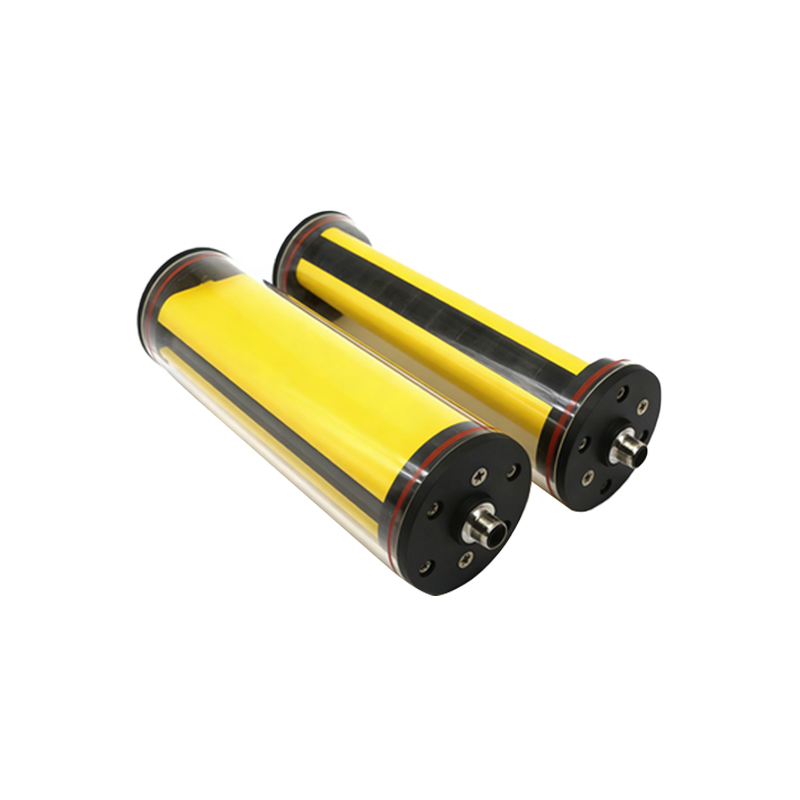
Manufacturers address low-temperature challenges through specialized design and material selection. Sensors rated for extended temperature ranges, such as -40°C or even -55°C, incorporate several key features. These often include the use of wide-temperature-grade semiconductors and passive components certified for military or automotive applications (e.g., conforming to AEC-Q200 standards). The optical system may utilize lenses made from polycarbonate or glass with low coefficient of thermal expansion and anti-fog coatings. Enclosures are typically constructed from engineered thermoplastics like PBT or stainless steel, which maintain ductility in cold environments. Sealing is achieved with low-temperature elastomers (e.g., silicone or fluorocarbon O-rings) to maintain high Ingress Protection (IP) ratings against moisture and dust. Internally, printed circuit boards (PCBs) may use substrates with better thermal stability, and conformal coatings are applied to protect against condensation.
Installation and Operational Best Practices
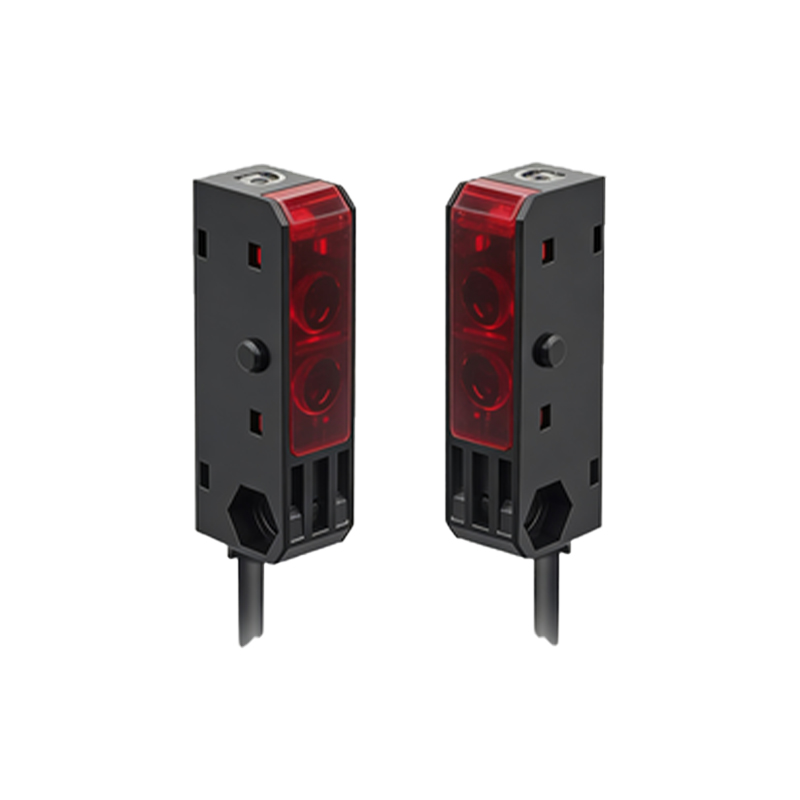
Proper installation is paramount for reliable operation in cold settings. Whenever possible, sensors should be mounted in locations shielded from direct wind, precipitation, and wide thermal swings. Using protective housings or enclosures with integrated thermostatically controlled heaters can maintain a microclimate above the sensor's minimum temperature. For through-beam sensors, ensuring precise and stable alignment is crucial, as metal brackets and supports may contract differentially with temperature. Cabling must be specified for low-temperature flexibility; polyurethane or TPE jacketed cables are superior to standard PVC in cold conditions. During system commissioning, it is essential to verify the actual sensing distance and hysteresis under the expected lowest ambient temperature, not just at room temperature. Implementing a periodic maintenance schedule to check for lens condensation, cable integrity, and mounting stability can prevent unexpected downtime.
Selection Criteria for Low-Temperature Applications
When specifying a photoelectric sensor for a cold environment, engineers must scrutinize the datasheet beyond the headline sensing distance. The critical parameters include the guaranteed operational temperature range, storage temperature range, and any derating curves for sensing distance or response time versus temperature. The sensor's housing material and IP rating (e.g., IP67 or IP69K) for water and dust resistance are equally important. For demanding applications, consider sensors with built-in diagnostics, such as signal strength indicators or temperature warnings, which can facilitate predictive maintenance. Consulting with manufacturers for application-specific testing data or opting for products explicitly designed for freezer warehouses, outdoor logistics, or cold-climate machinery often yields the most robust and cost-effective solution in the long term.