Introduction to Micro Proximity Sensors
Micro proximity sensors are compact, non-contact devices designed to detect the presence or absence of objects within a short range. Utilizing technologies such as inductive, capacitive, and photoelectric principles, these sensors offer high precision and reliability in various industrial applications. Their miniature size allows for integration into tight spaces, making them ideal for modern automated systems where space constraints are critical. The evolution of micro proximity sensors has been driven by advancements in semiconductor manufacturing and digital signal processing, enabling enhanced sensitivity and faster response times. As industries increasingly adopt automation and IoT solutions, the demand for these sensors continues to grow, underscoring their importance in improving efficiency and safety.
Key Technologies and Working Principles
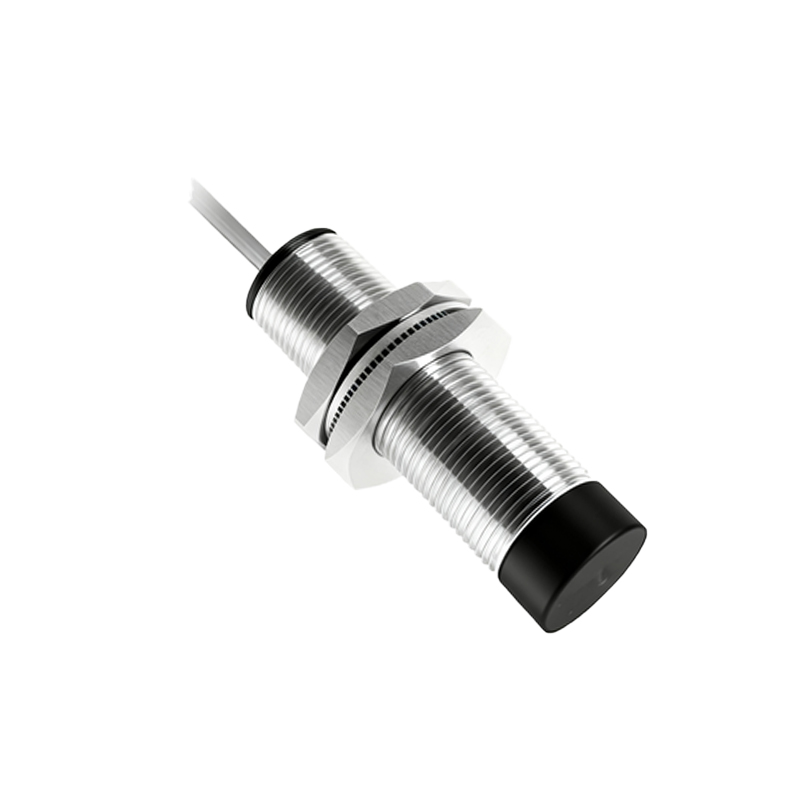
The core functionality of micro proximity sensors relies on electromagnetic or optical methods. Inductive sensors generate an electromagnetic field to detect metallic objects, while capacitive sensors measure changes in capacitance to identify both metallic and non-metallic materials. Photoelectric sensors use light beams, typically infrared, to sense objects by detecting interruptions or reflections. Miniaturization has been achieved through microelectromechanical systems (MEMS) technology, which allows for the production of tiny, low-power components. These sensors often incorporate digital interfaces, such as I2C or SPI, for seamless communication with microcontrollers, enabling real-time data processing and integration into smart networks.
Applications in Industrial Automation
In industrial settings, micro proximity sensors play a crucial role in automation processes. They are commonly used for position detection in robotic arms, conveyor systems, and assembly lines, ensuring precise movement and alignment. For example, in automotive manufacturing, these sensors monitor the placement of components, reducing errors and enhancing production speed. Additionally, they contribute to safety by detecting obstructions in machinery, preventing accidents and downtime. The food and beverage industry employs them for level sensing in containers, while the electronics sector utilizes them for PCB inspection and component counting. Their versatility and durability in harsh environments, including exposure to dust, moisture, and extreme temperatures, make them indispensable tools.
Advantages Over Traditional Sensors
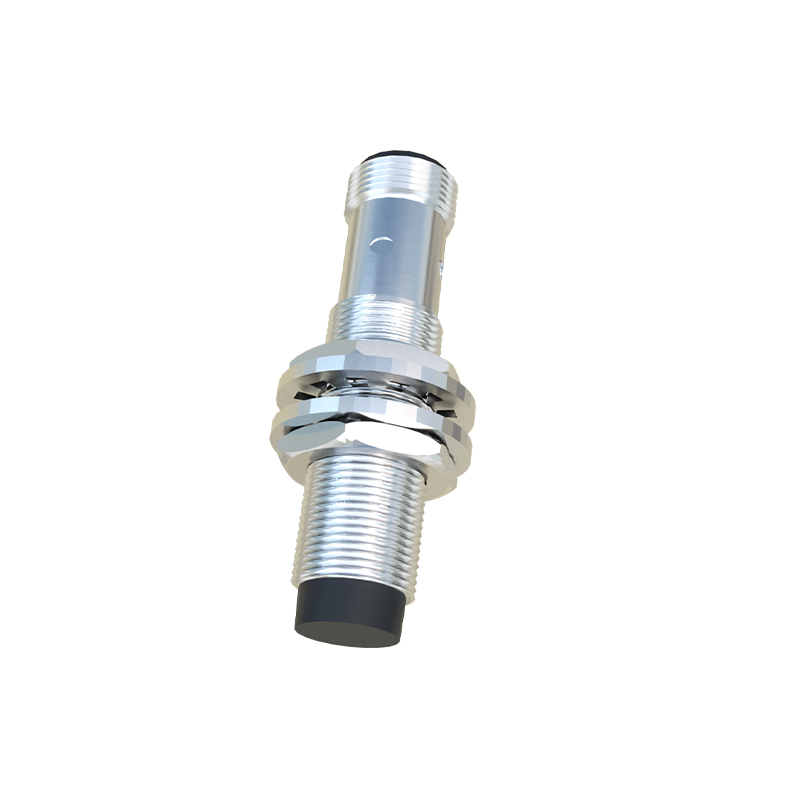
Compared to larger, traditional proximity sensors, micro versions offer significant benefits. Their small footprint allows for installation in confined areas, enabling more flexible system designs. They consume less power, which is advantageous for battery-operated devices and energy-efficient operations. Enhanced accuracy and repeatability lead to improved product quality and reduced waste. Furthermore, micro proximity sensors often feature lower costs due to mass production techniques, making them accessible for small-scale applications. The integration of smart features, such as self-diagnostics and wireless connectivity, supports predictive maintenance and reduces operational expenses. These advantages collectively drive innovation across sectors like healthcare, aerospace, and consumer electronics.
Challenges and Future Trends
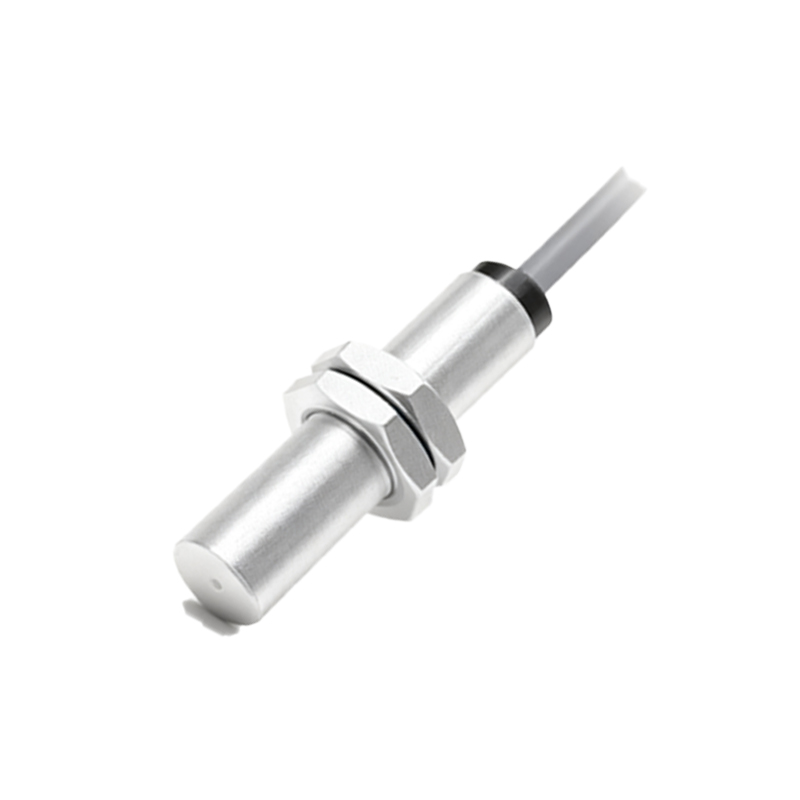
Despite their benefits, micro proximity sensors face challenges related to interference from environmental factors, such as electromagnetic noise or ambient light, which can affect performance. Calibration and sensitivity adjustments may be required for specific applications, adding complexity to deployment. Looking ahead, trends indicate a shift toward IoT-enabled sensors with embedded AI capabilities for adaptive sensing and data analytics. Advances in materials science may lead to more robust designs resistant to corrosion and wear. The development of energy-harvesting technologies could enable self-powered sensors, extending their lifespan in remote locations. As Industry 4.0 progresses, these sensors are expected to become more interconnected, contributing to fully automated, intelligent industrial ecosystems.
Conclusion and Industry Impact
Micro proximity sensors represent a pivotal innovation in the electrical engineering field, transforming how industries approach automation and control. Their ability to provide reliable, non-contact detection in miniature form factors supports the trend toward smarter, more compact machinery. By enhancing precision and efficiency, they help reduce costs and improve safety standards. Engineers and designers should consider factors like sensing range, environmental conditions, and compatibility when selecting these sensors for projects. As technology continues to evolve, micro proximity sensors will likely play an even greater role in emerging areas such as wearable devices, autonomous vehicles, and smart cities, solidifying their status as essential components in the modern industrial landscape.