What Are High Magnetic Immunity Proximity Sensors?
High magnetic immunity proximity sensors are specialized inductive or magnetic field-based sensors engineered to detect the presence or absence of a metallic target with exceptional reliability, even when operating in environments with strong, stray magnetic fields. Standard proximity sensors can experience false triggering, signal drift, or complete malfunction when exposed to such interference, which is common in applications like electric motor manufacturing, magnetic separation systems, welding equipment, and near powerful permanent magnets or electromagnets. These robust sensors incorporate advanced shielding techniques, differential sensing methodologies, and specialized circuit designs to distinguish the target's signal from the ambient magnetic noise, ensuring accurate and stable operation.
Core Operating Principle and Design
At their heart, most high immunity sensors operate on the inductive principle. An oscillator generates a high-frequency electromagnetic field from the sensor's face. When a metallic target enters this field, eddy currents are induced in the target, causing a change in the oscillation amplitude. This change is detected and converted into a switching output. The key differentiator lies in how they handle external magnetic fields. Designs often feature a balanced or differential coil system. Two sensing coils are arranged so that an external, uniform magnetic field induces equal but opposite signals in each coil, which cancel each other out. The target, being close to only one coil, creates an imbalance that is detected. Additional measures include the use of high-permeability magnetic shielding materials (like mu-metal) around critical components and sophisticated filtering in the evaluation electronics to reject low-frequency magnetic noise.

Key Technical Specifications and Features
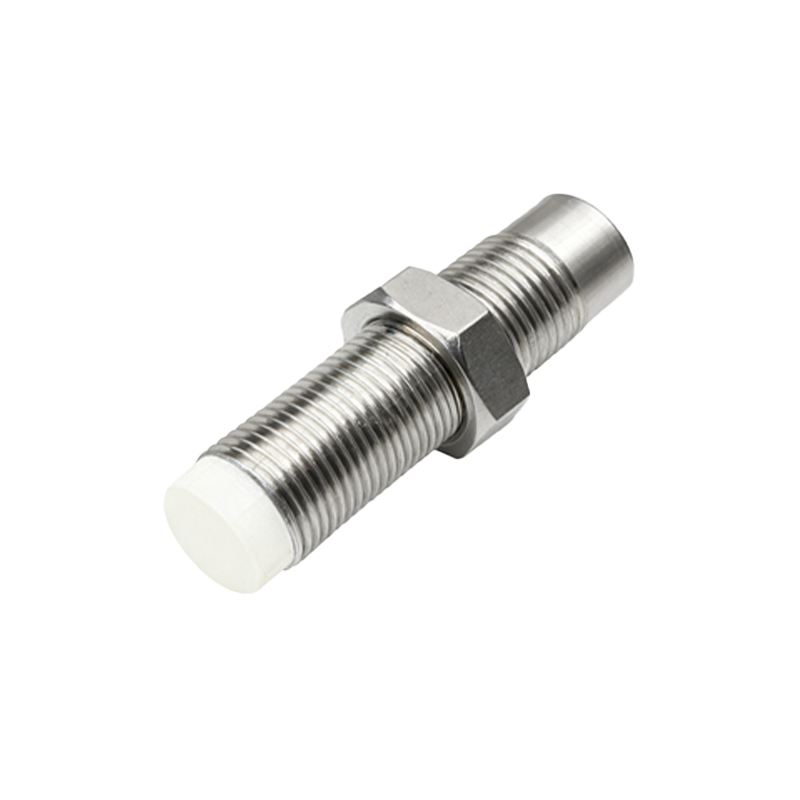
Evaluating these sensors requires attention to specific parameters beyond standard sensing range and output type. Magnetic immunity is typically quantified in units of flux density, such as millitesla (mT) or Gauss. A high-performance sensor might offer immunity to fields of 50 mT or higher. The operating frequency is also crucial; sensors must maintain performance when the interfering field is static (DC) or alternating (AC) at various frequencies. Other vital features include a high degree of ingress protection (e.g., IP67, IP69K) for harsh industrial environments, wide operating temperature ranges, and robust housing materials like stainless steel. Outputs are commonly PNP/NPN, NAMUR (for hazardous areas), or analog (4-20mA, 0-10V), providing flexibility for integration into control systems.
Primary Industrial Applications
The application spectrum for these sensors is niche but critical. In the automotive and electric vehicle sector, they are indispensable for monitoring position in electric motor assembly and testing, where strong rotor magnets are present. Metal fabrication and welding employ them for seam tracking and head guidance, as the welding process generates substantial electromagnetic interference. They are vital in material handling near magnetic conveyors or separators. Furthermore, in renewable energy, they monitor turbine blade position in direct-drive generators, which contain powerful permanent magnets. Any application where reliability cannot be compromised by magnetic crosstalk from nearby equipment is a candidate for high magnetic immunity proximity sensors.
Selection and Installation Best Practices
Selecting the correct sensor involves a thorough analysis of the environment. First, characterize the interfering field if possible: is it DC or AC? What is its estimated strength and frequency? Choose a sensor with a rated immunity exceeding this value. Consider the target material, size, and required sensing distance. For installation, follow the manufacturer's guidelines meticulously. Ensure proper grounding and use shielded cables, with the shield grounded at the controller end only, to prevent creating ground loops. Maintain the recommended mounting distances from other ferromagnetic materials and, ironically, from other sensors to prevent mutual interference. Regularly verify performance during initial commissioning and as part of preventive maintenance schedules.
Advantages and Limitations
The primary advantage is unparalleled reliability in magnetically hostile conditions, leading to reduced downtime, prevention of production errors, and enhanced safety. They often have the same form factors as standard sensors, allowing for easy retrofitting. However, these benefits come with trade-offs. They are generally more expensive than standard proximity sensors. The enhanced shielding can sometimes slightly reduce the nominal sensing range compared to an unshielded equivalent. Additionally, they are specifically tuned for magnetic interference; other forms of interference (e.g., radio frequency, extreme temperatures) must be addressed separately. Understanding these limitations is key to successful deployment.
Future Trends and Developments
The demand for high magnetic immunity sensors is growing alongside automation in challenging environments. Future trends point toward miniaturization without sacrificing performance, allowing integration into tighter spaces. Increased intelligence is another direction, with sensors featuring IO-Link or other digital communication protocols that provide diagnostic data about sensor health and even ambient magnetic field levels for predictive maintenance. Developments in materials science may lead to more