Introduction to Proximity Sensor Families
In the realm of industrial automation, proximity sensors are indispensable components for non-contact detection of objects. Among the diverse product lines available, the BX and EX series represent two prominent families, often leading to inquiries regarding their distinctions. While both serve the fundamental purpose of sensing presence without physical contact, their design philosophies, technical specifications, and optimal application areas diverge significantly. This article delves into a detailed comparison to clarify these differences, aiding engineers and technicians in selecting the most suitable sensor for their specific operational requirements.
Core Design Philosophy and Construction
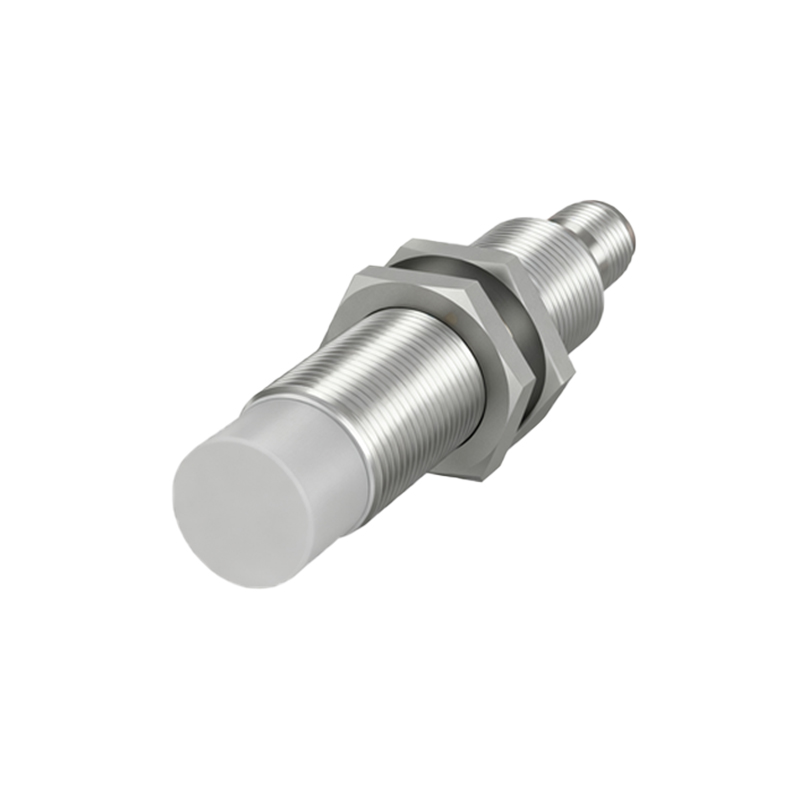
The primary distinction between BX and EX series proximity sensors lies in their inherent design and construction. BX series sensors are typically engineered with a focus on standardized, cost-effective solutions for general-purpose applications. They often feature a more compact or standardized housing design, prioritizing ease of installation and broad compatibility with common machinery. In contrast, EX series sensors are specifically designed and certified for use in hazardous locations. Their construction is inherently robust, incorporating explosion-proof enclosures and intrinsically safe circuits to prevent ignition of flammable gases, vapors, or dust. The materials and sealing (often meeting IP67 or higher ratings) in EX sensors are rigorously tested to contain any potential spark or thermal effect generated internally.
Electrical Specifications and Output Types
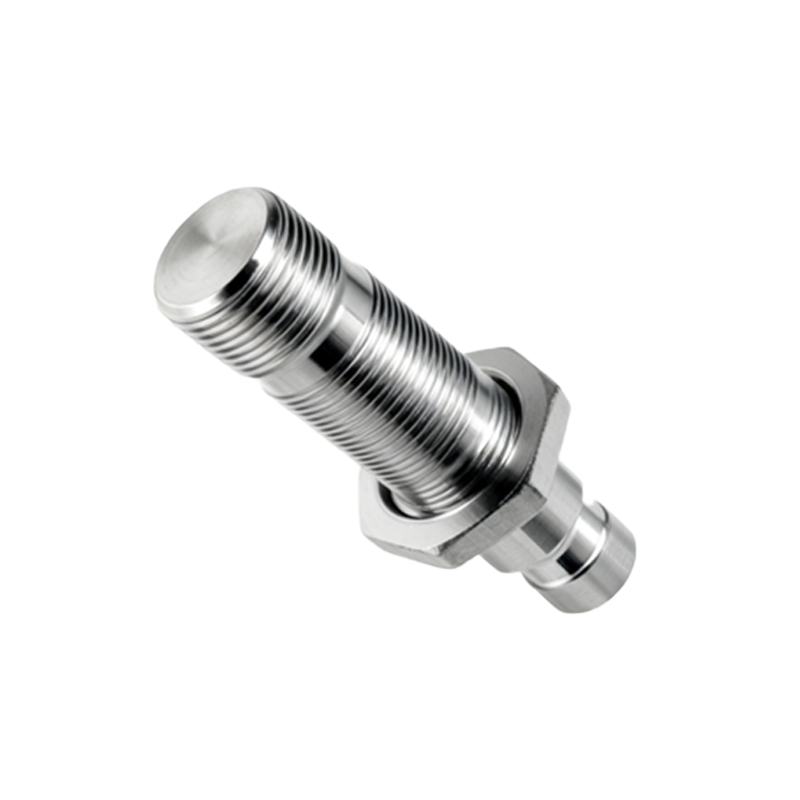
Examining the electrical characteristics reveals further differentiation. BX series sensors commonly operate on standard DC or AC voltage ranges (e.g., 10-30V DC) and offer standard output configurations such as NPN (sinking) or PNP (sourcing) transistor outputs. They are designed for straightforward integration into typical control panels and PLC (Programmable Logic Controller) systems. EX series sensors, while also available in various voltage and output types, must adhere to strict intrinsic safety (IS) or explosion-proof (Ex d, Ex i) standards. Their electrical parameters, including operating current and voltage, are carefully limited to energy levels deemed safe for the classified hazardous area. This often involves the use of associated safety barriers or isolators in the control circuit.
Environmental and Safety Certifications
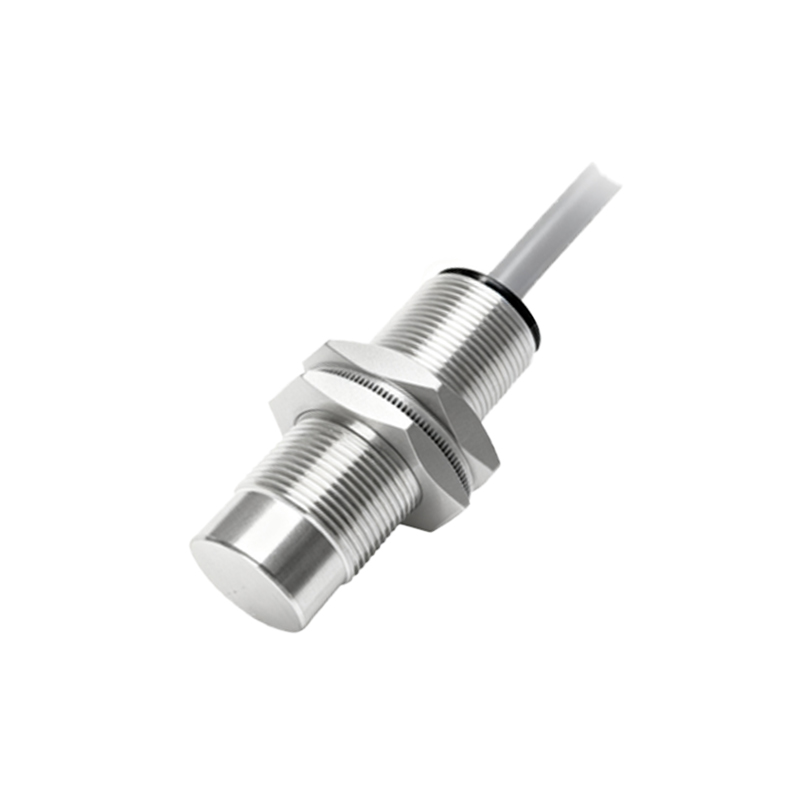
Certifications are a critical differentiator. Standard BX sensors carry common industrial certifications like CE, UL, or IEC standards for general safety and EMC (Electromagnetic Compatibility). Their operational environment is assumed to be non-hazardous. The EX series, however, bears specific hazardous location certifications crucial for legal and operational compliance. These include ATEX (for Europe), IECEx (international), and NEC/CEC classifications like Class I, Division 1, Groups A-D (for gases) or Class II/III (for dusts and fibers) in North America. The marking "Ex" explicitly indicates this certification for explosive atmospheres, which is absent in the standard BX series.
Typical Application Scenarios
The application scope for each series is defined by their design. BX proximity sensors are ubiquitous in safe, industrial environments such as packaging lines, material handling systems, CNC machine tools, and automotive assembly plants—anywhere object detection, counting, or positioning is needed without explosion risks. EX series sensors are mandatory in industries like oil and gas (refineries, offshore platforms), chemical processing, pharmaceutical manufacturing, grain handling silos, and paint spray booths. Here, they perform the same detection functions but within areas where flammable substances are present during normal operation or due to a fault.
Cost Considerations and Lifecycle
Cost is a significant practical factor. BX series sensors are generally more economical in terms of initial purchase price, reflecting their standard construction and broader market availability. The total cost of ownership for EX series sensors is higher. This includes the sensor itself, which incorporates more expensive materials and safety engineering, and potentially the cost of associated intrinsic safety apparatus and certified installation practices. However, in hazardous areas, the cost of an EX sensor is negligible compared to the risk of catastrophic failure, making it a non-negotiable investment for safety and regulatory compliance.
Installation and Maintenance Guidelines
Installation practices differ. Installing a BX sensor typically follows standard industrial electrical practices: correct wiring, securing the unit, and setting sensing distance. Maintenance involves periodic cleaning and functional checks. For EX sensors, installation is governed by strict codes (e.g., NEC Article 500, ATEX Directive). This includes using certified cable glands, ensuring proper grounding/bonding, and verifying that the entire loop (sensor, cable, barrier, controller) maintains the safety integrity. Maintenance personnel often require specific training for working in or on equipment for hazardous areas, and any repair or replacement must use identically certified components.
Conclusion and Selection Guidance
In summary, the choice