Introduction to Photoelectric Sensors
Photoelectric sensors are fundamental components in modern industrial automation, providing reliable, non-contact detection of objects. They operate by emitting a beam of light, typically infrared, visible red, or laser, and detecting changes in the received light signal. The core principle involves an emitter and a receiver. When an object interrupts or reflects this light beam, it alters the signal received, triggering an output switch. This simple yet robust mechanism makes them indispensable for tasks like counting, positioning, inspection, and level control across countless manufacturing and packaging lines. Their versatility, long operational life, and high-speed response outperform mechanical limit switches in most applications.
Working Principles and Sensing Modes
Understanding the different sensing modes is crucial for selecting the right sensor. The three primary modes are through-beam, retro-reflective, and diffuse (proximity). Through-beam sensors consist of separate emitter and receiver units placed opposite each other. Detection occurs when an object breaks the beam, offering the longest sensing ranges and highest reliability. Retro-reflective sensors house both emitter and receiver in one housing, using a reflector to bounce the light back. An object is detected when it interrupts this reflected beam. Diffuse or proximity sensors also have a single housing, but they detect light reflected directly off the target object itself. This mode is simpler to install but has a shorter range and can be influenced by the object's color, reflectivity, and surface texture.
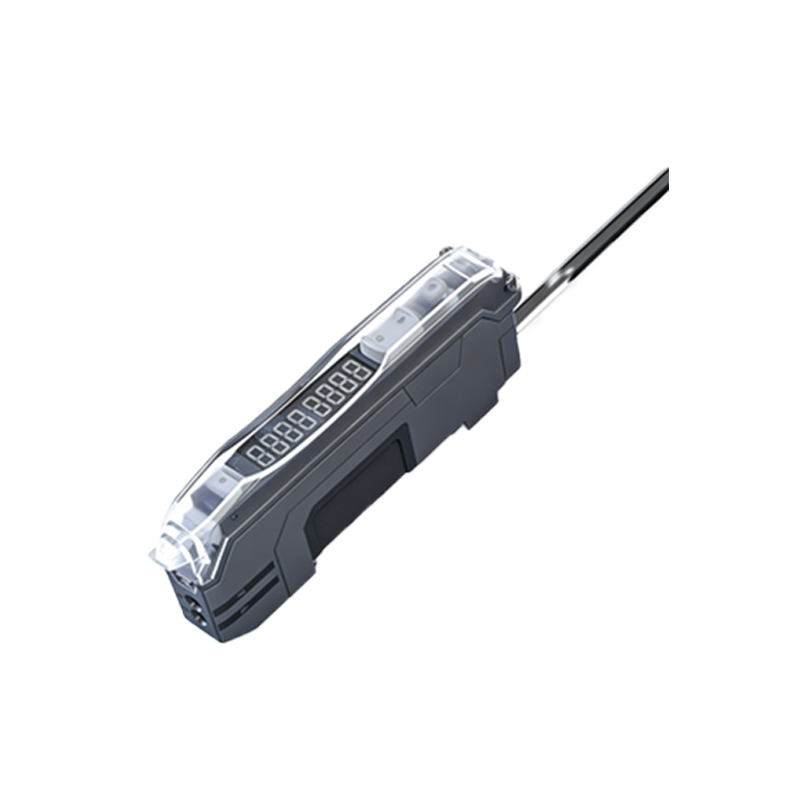
What is a Color Mark Sensor?
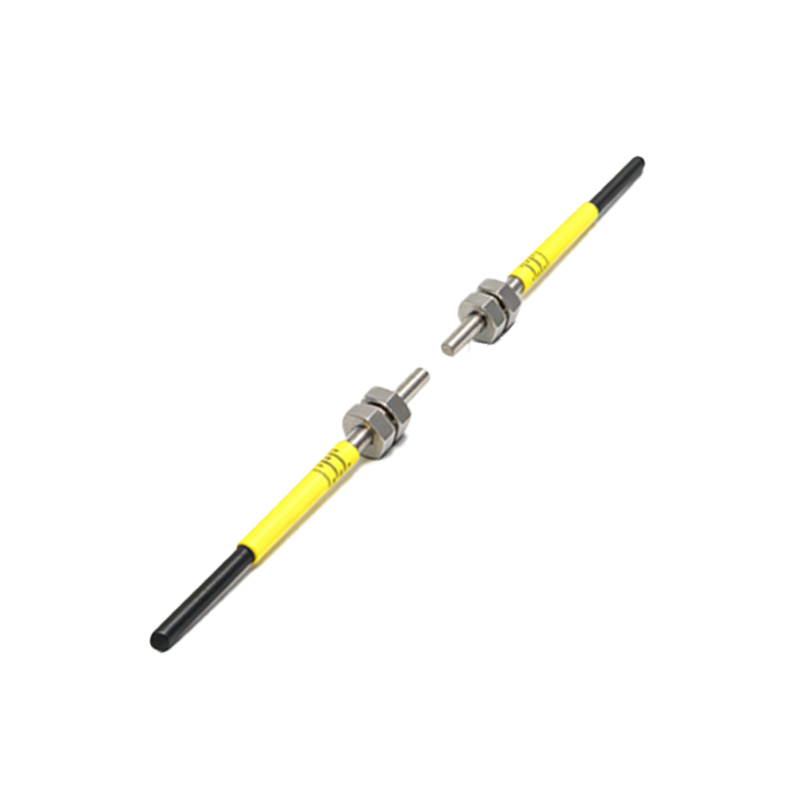
A color mark sensor, often called a color mark detector or registration sensor, is a specialized type of photoelectric sensor designed to detect specific color contrasts or marks on a moving web or product. Unlike standard diffuse sensors that react to the presence or absence of light, color mark sensors are finely tuned to differentiate between a background color and a mark of a different color. They are critical in printing, labeling, packaging, and textile industries for ensuring precise cut-off, placement, or registration control. For instance, they can detect a small black mark on a white film to trigger a cutting blade or identify a color code on a cable for sorting.
Key Technology: The RGB Principle
The advanced core of a color mark sensor lies in its use of RGB (Red, Green, Blue) light emission and reception. A true color mark sensor emits these three colors of light sequentially onto the target surface. The built-in receiver measures the intensity of light reflected for each color. The sensor's internal processor then calculates the ratio of these reflected intensities. By teaching the sensor the specific RGB ratio of both the background and the mark, it can reliably distinguish between them with high precision, even if the overall ambient light changes or the product surface has slight variations. This ratio method makes it far more accurate than sensors relying solely on monochromatic light and grayscale detection.
Critical Performance Parameters
Several key parameters define sensor performance. Sensing distance, or range, varies by type; through-beam offers meters of range, while precise color mark detection often works at millimeters. Response time, measured in milliseconds or microseconds, determines the maximum speed of objects the sensor can track. Repeatability is the sensor's ability to consistently detect an object at the same position. For color mark sensors, additional factors are vital: the minimum mark size they can detect, the contrast difference they can recognize (e.g., dark blue on light blue), and the standoff distance—the optimal gap between the sensor lens and the target surface for reliable operation.
Application Examples in Industry
The applications are vast and industry-specific. In packaging, photoelectric sensors count bottles on a conveyor, check for correct cap placement, or detect folded box flaps. Color mark sensors are used to align printed labels on containers or to cut continuous plastic bags at the correct printed seal. In automotive assembly, they verify the presence of components. In the paper and printing industry, color mark sensors ensure precise color registration and cut sheets at the correct pattern. In material handling, they prevent overfill in silos or guide automated guided vehicles (AGVs) by following tape on the floor.
Installation and Calibration Best Practices
Proper installation is key to reliable operation. Ensure the sensor is securely mounted to avoid vibration-induced errors. For through-beam and retro-reflective types, precise alignment is critical. Consider environmental factors: protect lenses from dust, moisture, and oil splashes with appropriate housings (e.g., IP67 rated). Avoid mounting near strong ambient light sources which could interfere with the sensor's receiver. For color mark sensors, calibration or "teaching" is a critical step. This involves presenting the sensor to both the background and the mark under actual operating conditions, allowing it to learn and memorize the specific color signature for stable detection despite potential material lot variations.
Advantages Over Other Sensor Types
Photoelectric sensors offer distinct advantages. Their non-contact nature eliminates mechanical wear and allows detection of fragile objects. They provide very fast response speeds suitable for high-speed machinery. The variety of sensing modes and housing styles allows adaptation to nearly any application. Compared to vision systems, they are simpler, faster for single-point detection, and more cost-effective. Compared to inductive or capacitive proximity sensors (which detect metals or materials), photoelectric sensors can detect virtually any material—metal, plastic, wood, glass, or liquid—as long as it affects a light beam, offering unparalleled versatility.
Troubleshooting Common Issues
Common issues often stem from installation or environmental factors. Intermittent operation or false triggers can be caused by misalignment, dirty lenses, or interference from external light sources like sunlight or welding arcs. A sensor failing to detect may have an insufficiently reflective target, an object outside its sensing range, or a damaged component. For color mark sensors, detection failures often result from incorrect teaching, a change in material color/contrast, or an incorrect standoff distance. Always consult the manufacturer's manual, verify power supply and wiring, clean the lens, re-check alignment, and re-teach the color mark sensor under current operating conditions as primary troubleshooting steps.
Future Trends and Innovations
The future of photoelectric sensing is driven by Industry 4.0 and smart manufacturing. Sensors are becoming more intelligent with integrated IO-Link communication, which allows for parameter setting, real-time monitoring of signal strength, and predictive maintenance data transmission directly to controllers. Miniaturization continues, enabling installation in tighter spaces. Enhanced background suppression technology in diffuse sensors allows for more precise detection regardless of target color or texture. For color mark sensors, advancements include higher-speed processing for faster line speeds and the ability to learn and distinguish more subtle color differences, expanding their use in quality inspection applications beyond simple mark detection.