Introduction to Photoelectric Sensors
Photoelectric sensors are pivotal components in industrial automation, utilizing light beams to detect the presence, absence, or distance of objects. These devices operate by emitting a light source, typically infrared, visible, or laser, and measuring the reflection or interruption to determine target characteristics. In recent years, domestic manufacturers have made significant strides in enhancing the performance and reliability of these sensors, catering to diverse industrial needs. The evolution of domestic photoelectric sensors reflects broader trends in technological innovation and manufacturing excellence, positioning them as competitive alternatives in global markets.
Technological Innovations in Domestic Production
Domestic producers have focused on integrating advanced technologies to improve sensor accuracy and durability. Key innovations include the development of high-precision optical systems, robust housing materials resistant to harsh environments, and energy-efficient designs. For instance, many domestic sensors now feature enhanced signal processing algorithms that reduce false triggers and increase detection ranges. Additionally, the adoption of smart connectivity options, such as IoT compatibility and wireless communication, allows for seamless integration into automated systems. These advancements ensure that domestic photoelectric sensors meet international standards for quality and performance.
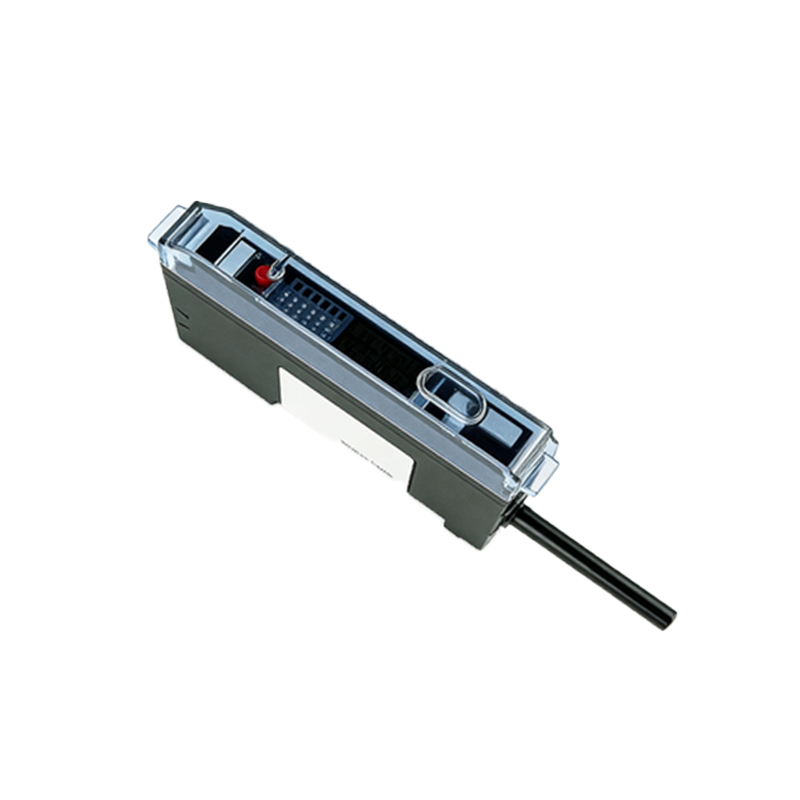
Applications Across Industrial Sectors
The versatility of domestic photoelectric sensors enables their use in various industries, from automotive manufacturing to food processing. In automotive assembly lines, sensors are employed for precise part detection and quality control, ensuring efficient production flows. In the packaging industry, they facilitate accurate counting and positioning of items on conveyor belts. Moreover, in hazardous environments like chemical plants, explosion-proof variants provide safe and reliable operation. The adaptability of these sensors to different lighting conditions and material types underscores their critical role in enhancing operational efficiency and safety.
Advantages Over Imported Alternatives
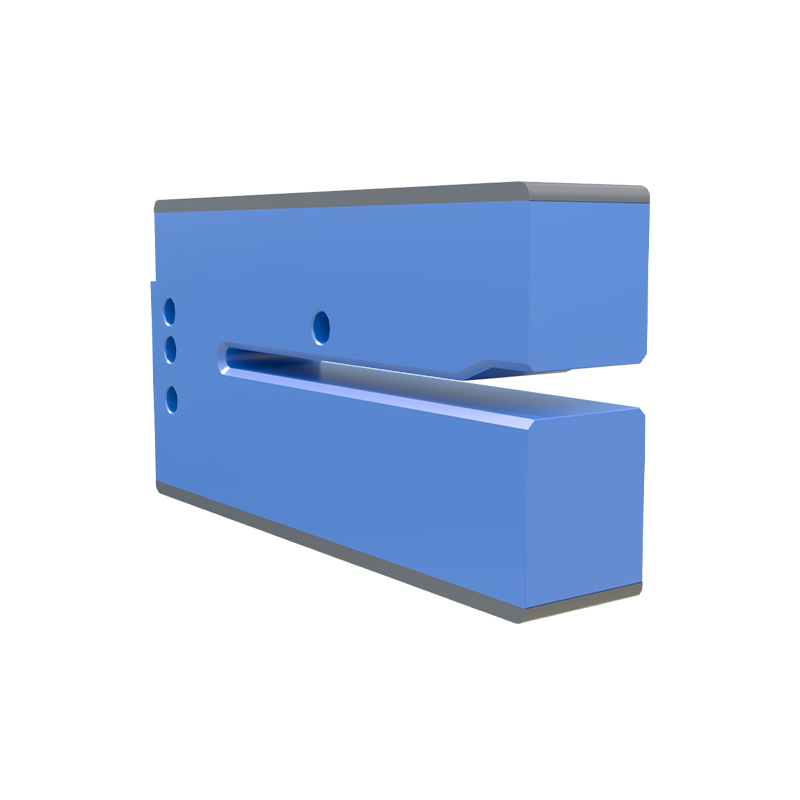
Domestic photoelectric sensors offer several advantages, including cost-effectiveness, shorter lead times, and tailored support for local markets. By reducing reliance on imports, companies can lower procurement costs and minimize supply chain disruptions. Furthermore, domestic manufacturers often provide customized solutions and rapid technical assistance, addressing specific client requirements more effectively. The continuous improvement in product quality, backed by rigorous testing and certification processes, has bolstered confidence in domestic sensors as reliable components for industrial automation.
Future Trends and Market Outlook
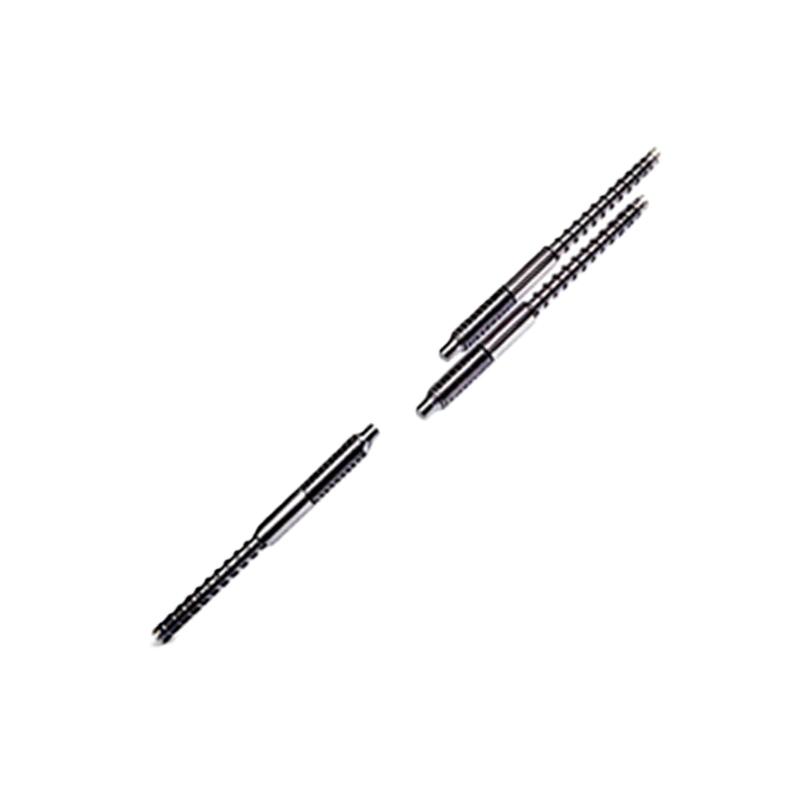
Looking ahead, the domestic photoelectric sensor market is poised for growth, driven by increasing automation and smart manufacturing initiatives. Emerging trends include the integration of artificial intelligence for predictive maintenance and the development of miniaturized sensors for compact applications. Environmental sustainability is also becoming a focus, with efforts to reduce energy consumption and use eco-friendly materials. As domestic companies invest in research and development, they are likely to expand their global footprint, offering innovative solutions that compete with established international brands. This progress highlights the dynamic nature of the industry and its potential to shape future technological landscapes.