Introduction to Proximity Sensing Technology
Proximity sensors are fundamental components in modern industrial automation, providing non-contact detection of objects within a defined range. These devices operate on various principles, including inductive, capacitive, ultrasonic, and photoelectric sensing. Inductive sensors detect metallic objects, capacitive sensors respond to both metallic and non-metallic materials, while photoelectric sensors use light beams. The selection of the appropriate sensor type is critical for application success, influencing factors such as sensing distance, environmental robustness, and target material compatibility. This case study analysis delves into real-world scenarios to illustrate the practical challenges and solutions in deploying proximity sensing technology effectively.
Case Study 1: Automotive Assembly Line Downtime
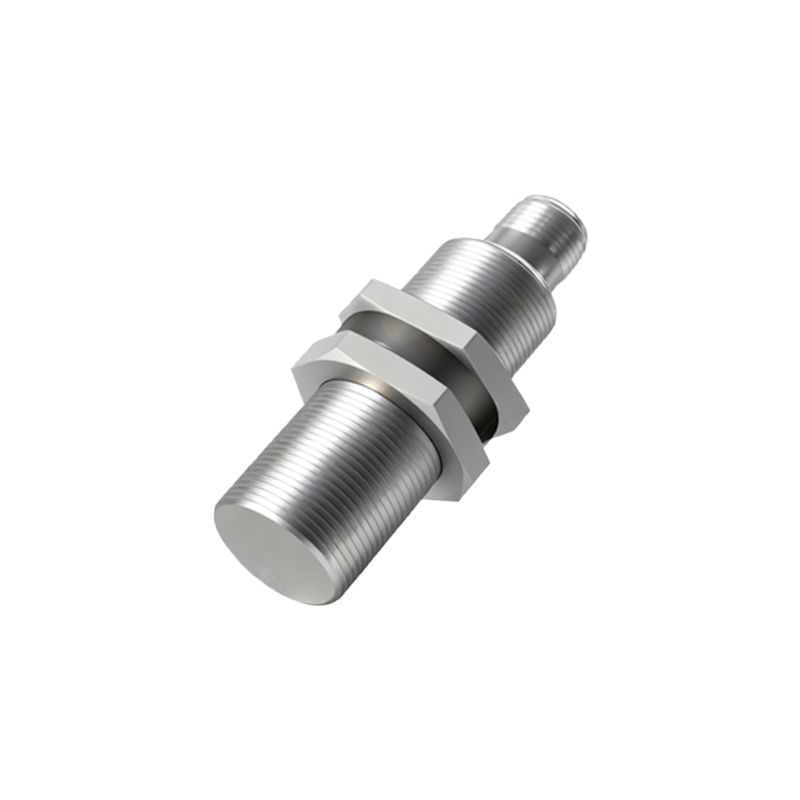
A major automotive manufacturer experienced intermittent and unexplained stoppages on a critical robotic welding line. The issue caused significant production delays and increased maintenance costs. Initial diagnostics pointed to the inductive proximity sensors responsible for confirming the presence of vehicle chassis components before the welding cycle. Upon detailed investigation, engineers discovered that metal shavings and weld spatter were accumulating on the sensor faces. While the sensors were rated IP67, the conductive debris was creating false detection signals, causing the robot to halt as a safety precaution. The solution involved a multi-faceted approach. First, the sensor models were replaced with units featuring a flush-mounted design and a higher IP69K rating for better resistance to particulate and high-pressure washdowns. Second, retrofitted protective metal baffles were installed to deflect debris. Finally, the maintenance schedule was revised to include regular cleaning checks. This intervention reduced unscheduled downtime by over 70%, highlighting the importance of selecting sensors with an appropriate form factor and environmental protection for the specific operational hazards.
Case Study 2: Food Packaging Machine Inaccuracy
In a food processing plant, a high-speed packaging machine was inconsistently sealing bags, leading to product waste and quality control failures. The machine used a capacitive proximity sensor to detect the level of powdered product in a hopper, triggering the filling mechanism. The problem stemmed from material variance and environmental factors. Changes in powder density and ambient humidity were affecting the sensor's dielectric constant detection, resulting in inaccurate level readings. The engineering team replaced the standard capacitive sensor with a laser-based optical sensor. This technology uses a time-of-flight principle to measure distance to the powder surface with high precision, unaffected by material composition or moisture in the air. The upgrade required careful alignment and calibration but ultimately provided a stable, reliable signal. Packaging accuracy improved to 99.8%, dramatically reducing waste and ensuring consistent product weight, a key regulatory requirement. This case underscores the necessity of understanding the target material's properties and choosing a sensing technology immune to their fluctuations.
Case Study 3: Harsh Metal Stamping Environment
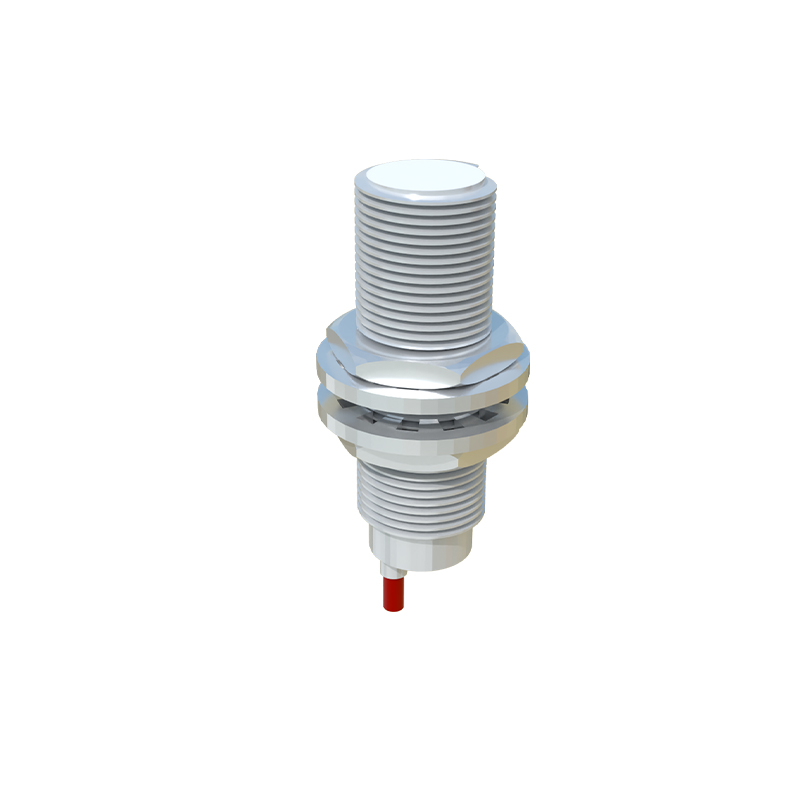
A metal stamping facility faced frequent failures of the sensors used to detect ejected parts on a conveyor. The environment was characterized by extreme vibration, oil mist, and electromagnetic interference (EMI) from large presses. The original photoelectric sensors were failing within weeks due to lens contamination and misalignment from vibration. The solution was to switch to ruggedized, high-frequency inductive proximity sensors. These sensors were specifically chosen for their all-metal housings, robust construction to withstand shock and vibration, and inherent immunity to the oil and dirt prevalent in the environment. Furthermore, sensors with DC output and built-in surge protection were selected to combat EMI from the press coils. The new sensors were mounted on vibration-damping brackets to further enhance longevity. Post-implementation, the mean time between failures (MTBF) increased from one month to over two years, showcasing the critical need to match sensor durability and electrical characteristics to the operational environment's physical and electromagnetic challenges.
Analysis of Key Decision Factors
These case studies reveal common critical factors in proximity sensor selection and application. First, the target material dictates the primary sensing technology (inductive for metals, capacitive for varied materials, optical for precision). Second, the operating environment is paramount; factors like contaminants, temperature, humidity, washdown procedures, and EMI must be addressed with appropriate ingress protection (IP) ratings, housing materials, and output types. Third, required sensing distance and precision guide the choice of sensor range and technology, with laser sensors offering high accuracy over longer distances compared to standard inductive models. Finally, mechanical integration considerations, such as mounting style (flush vs. non-flush), size constraints, and resistance to vibration, are often overlooked but vital for reliable operation. A failure mode and effects analysis (FMEA) conducted during the design phase can proactively identify many of these risks.
Conclusion and Best Practices
Successful implementation of proximity sensors extends beyond simple catalog selection. It requires a systematic analysis of the