Introduction to Infrared Photoelectric Sensors
Infrared photoelectric sensors are pivotal components in modern automation and robotics, designed to detect the presence, absence, or distance of objects without physical contact. These sensors operate by emitting infrared light and measuring the reflected signal, enabling precise obstacle detection. Widely used in industries such as automotive, manufacturing, and consumer electronics, they offer reliability, cost-effectiveness, and adaptability to various environments. Their non-contact nature minimizes wear and tear, making them ideal for applications requiring durability and accuracy. Understanding their working principle is essential for engineers aiming to optimize system performance in automated systems.
Core Working Principle
The fundamental operation of infrared photoelectric sensors revolves around the emission and reception of infrared light. An infrared LED emits light in the infrared spectrum, typically at wavelengths between 850 nm and 950 nm, which is invisible to the human eye. A phototransistor or photodiode acts as the receiver, detecting the reflected light from an object. When an obstacle is present, the infrared beam reflects off its surface and returns to the receiver, triggering a signal change. This change is processed by an internal circuit to determine object proximity. The sensor's effectiveness depends on factors like reflectivity, ambient light, and surface texture, which engineers must account for during calibration.
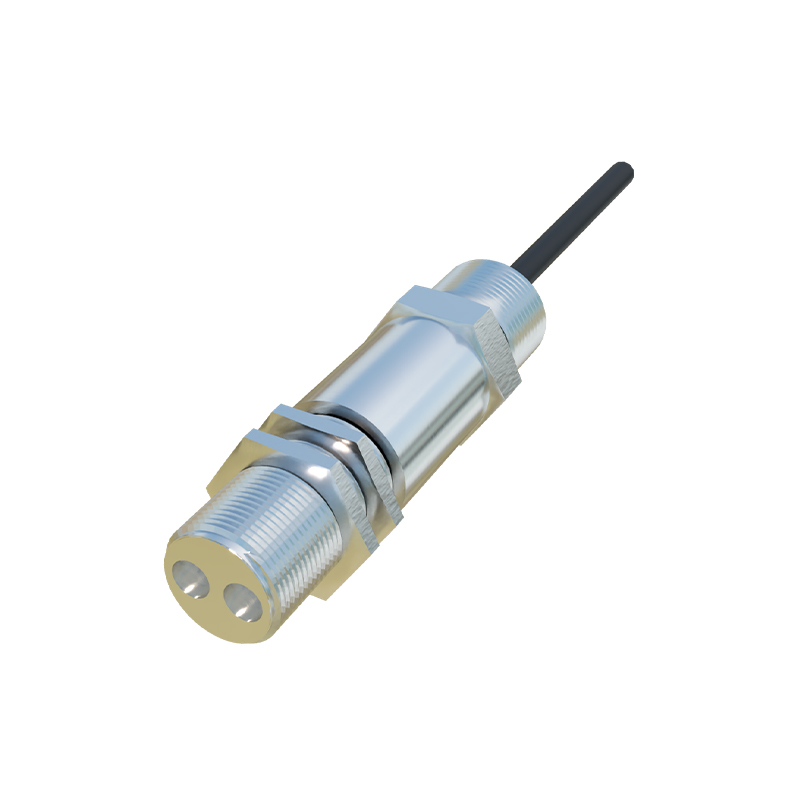
Types of Infrared Obstacle Detection Methods
Infrared sensors employ various detection methods to suit different applications. The most common is the reflective method, where the emitter and receiver are housed together, and detection occurs based on reflected light intensity. Another approach is the through-beam method, with separate emitter and receiver units; an object is detected when it interrupts the infrared beam. A third variant, the diffuse reflective method, uses a single unit but relies on the object's reflectivity to bounce light back. Each method has distinct advantages: through-beam offers long-range and high accuracy, while reflective types are compact and easier to install. Engineers select based on range, environmental conditions, and cost constraints.
Signal Processing and Circuit Design
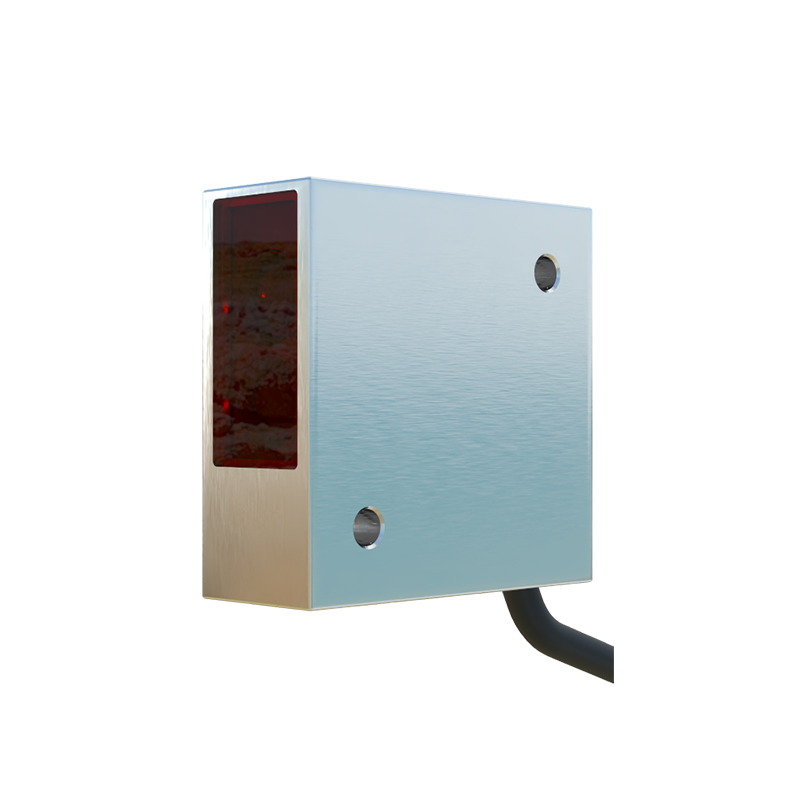
Accurate obstacle avoidance hinges on robust signal processing. The receiver's output is an analog signal that fluctuates with reflected light intensity. This signal is amplified and filtered to reduce noise from ambient infrared sources, such as sunlight or artificial lighting. A comparator circuit then converts the analog signal into a digital output, indicating the presence or absence of an obstacle. Advanced sensors incorporate microcontrollers for pulse modulation, emitting coded infrared pulses to distinguish the sensor's signal from interference. This design enhances reliability in dynamic environments, allowing for real-time adjustments and minimizing false triggers in industrial settings.
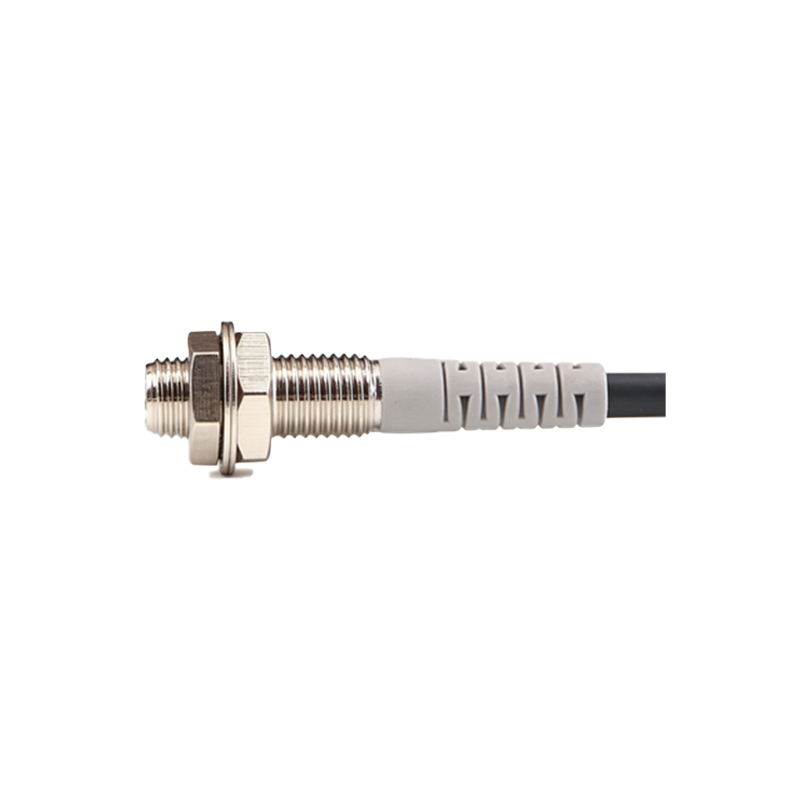
Key Factors Affecting Performance
Several factors influence the performance of infrared photoelectric sensors in obstacle avoidance. Surface reflectivity is critical; dark or non-reflective materials may reduce detection range, while shiny surfaces can cause over-reflection. Ambient light interference, especially from sources like incandescent bulbs or sunlight, can saturate the receiver, leading to inaccurate readings. Sensor alignment and mounting angle also play a role, as misalignment may cause beam dispersion. Engineers mitigate these issues by using modulated infrared signals, protective housings, and regular maintenance. Temperature variations can affect component sensitivity, necessitating thermal compensation in high-precision applications.
Applications in Robotics and Automation
In robotics, infrared photoelectric sensors are integral to autonomous navigation and safety systems. They enable robots to avoid collisions by detecting obstacles in their path, often integrated with ultrasonic or LiDAR sensors for multi-modal sensing. In industrial automation, these sensors monitor conveyor belts, count objects, and ensure machinery safety by halting operations when obstructions are detected. Consumer applications include automatic doors, touchless faucets, and virtual reality devices. Their low power consumption and fast response time make them suitable for battery-operated devices, while their durability supports harsh industrial environments, reducing downtime and maintenance costs.
Advantages and Limitations
Infrared sensors offer significant advantages, such as low cost, simplicity, and non-contact operation, which prevent damage to both the sensor and detected objects. They provide rapid response times, often in milliseconds, crucial for real-time applications. However, limitations include susceptibility to environmental factors like dust, fog, or bright light, which can degrade performance. Detection range is typically shorter compared to technologies like ultrasonic sensors, and accuracy may vary with object color and texture. Engineers balance these trade-offs by combining infrared with other sensing technologies, ensuring robust obstacle avoidance in complex scenarios.
Future Trends and Innovations
The future of infrared photoelectric sensors lies in enhanced integration and intelligence. Advances in materials science are yielding more sensitive photodiodes with broader spectral ranges, improving detection in diverse conditions. Integration with IoT and AI allows sensors to learn from environmental data, adapting thresholds dynamically for optimized performance. Miniaturization trends enable their use in wearable tech and micro-robotics, while energy-efficient designs support sustainable automation. Research into multi-wavelength infrared systems aims to overcome current limitations, promising higher accuracy and reliability. As industries embrace smart manufacturing, these sensors will evolve to play a central role in autonomous systems and safety protocols.