Understanding U-Shaped Photoelectric Sensors
U-shaped photoelectric sensors, also known as through-beam sensors, are fundamental components in modern industrial automation. Their design features a separate emitter and receiver housed in opposing arms of a U-shaped bracket. The emitter constantly projects a beam of light—often infrared, visible red, or laser—across the gap to the receiver. The core operating principle is straightforward: an object is detected when it interrupts this light beam. This simple yet robust mechanism makes them exceptionally reliable for presence detection, counting, and positioning tasks. Compared to other sensor types like diffuse or retro-reflective, the through-beam design offers the longest sensing ranges and highest immunity to environmental factors such as object color, reflectivity, or surface finish. For applications demanding high precision and unwavering reliability, the U-shaped photoelectric sensor is frequently the preferred choice.
Key Advantages Driving Import Demand
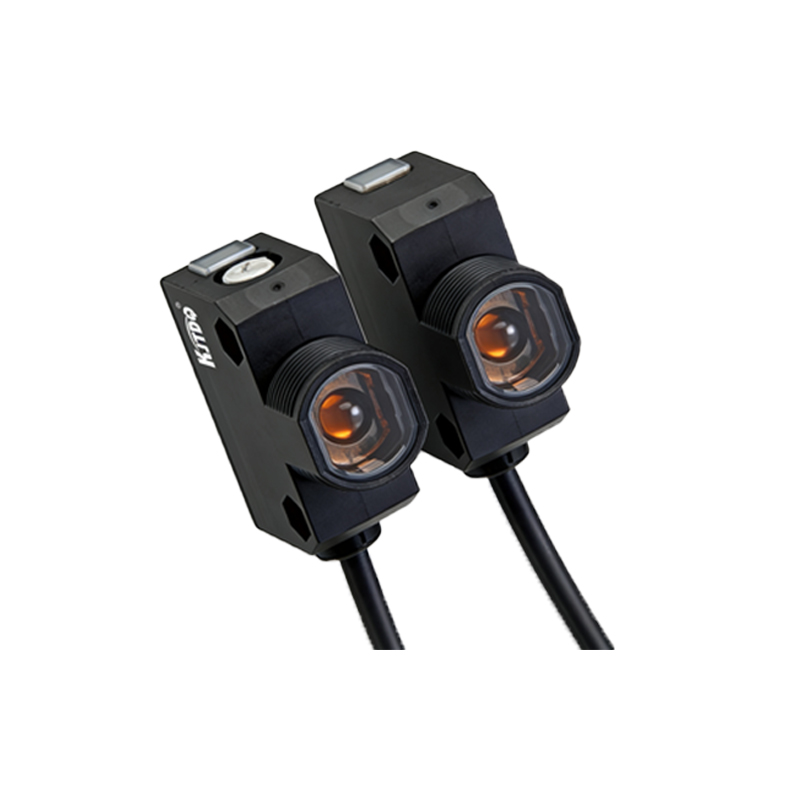
The global demand for high-quality U-shaped photoelectric sensors stems from their distinct performance benefits. First and foremost is their exceptional sensing distance and stability. Because the emitter and receiver are perfectly aligned during installation, the sensor provides a strong, consistent signal that is less susceptible to interference. This leads to superior performance in challenging environments with dust, steam, or vibration. Secondly, they offer high-speed response times, capable of detecting objects passing at very high velocities, which is critical for packaging, bottling, and assembly line applications. Furthermore, their ability to detect virtually any object, regardless of material or color, provides unparalleled versatility. Many imported models from leading European, Japanese, and North American manufacturers incorporate advanced features like background suppression, precise beam alignment indicators, and robust housing ratings (IP67, IP69K), justifying their premium positioning in the market.
Critical Specifications for Import Selection
When sourcing and importing U-shaped photoelectric sensors, engineers must meticulously evaluate several technical specifications to ensure compatibility with the application. The sensing gap or width is the primary dimension, defining the maximum size of the object that can pass through. Sensing distance, while typically long, must be confirmed for the specific model. The light source type is crucial; infrared is common for general use, visible red aids in alignment, and laser provides pinpoint accuracy for small parts. Output configuration (NPN/PNP, NO/NC) must match the control system's PLC or input card requirements. The housing material, such as stainless steel or reinforced plastic, and the Ingress Protection (IP) rating determine environmental durability. Additionally, consider response frequency, power supply voltage range, and the availability of built-in timers or diagnostic LEDs. Overlooking these details can lead to integration failures and costly downtime.
Navigating the Import Process and Supply Chain
Importing industrial components like U-shaped photoelectric sensors involves a structured process beyond simple procurement. Identifying reputable international suppliers is the first step, often involving research into established brands known for quality and reliability. Once a supplier is selected, considerations shift to logistics: Incoterms (like FOB or DDP) define cost and risk responsibilities, while lead times must be factored into project planning. Understanding import duties, tariffs, and local compliance standards (e.g., CE, UL, RoHS markings) is essential to avoid customs clearance delays. Building a relationship with a reliable freight forwarder and customs broker can streamline this process. Furthermore, evaluating the supplier's technical support capability, warranty terms, and local distributor network for after-sales service is as important as the product specification itself. A stable and responsive supply chain is vital for maintaining continuous operations.
Integration and Best Practices for Installation
Successful integration of an imported U-shaped photoelectric sensor hinges on proper installation and configuration. Mechanical alignment is paramount; even slight misalignment between the emitter and receiver can drastically reduce sensing performance or cause false triggers. Utilizing the sensor's alignment indicators (if available) is highly recommended. The sensor must be securely mounted to minimize vibration-induced misalignment. Electrically, ensure the power supply is stable and within the sensor's specified range, and correctly wire the output to the controller, observing polarity for DC models. Environmental protection is also key; while the sensors are robust, shielding the sensing area from heavy accumulation of dust or direct splashing, even with a high IP rating, prolongs service life. Implementing routine maintenance checks for lens cleanliness and alignment stability will ensure long-term, trouble-free operation, maximizing the return on investment from imported high-end components.
The Future and Strategic Sourcing Considerations
The market for U-shaped photoelectric sensors continues to evolve with trends towards miniaturization, increased intelligence, and enhanced connectivity. Imported sensors are now often available with IO-Link capability, allowing for parameter setting, condition monitoring, and diagnostic data exchange directly with the control system. This digital transformation adds significant value but also necessitates compatibility checks with existing infrastructure. Strategically, while initial cost is a factor, the Total Cost of Ownership (TCO) should guide sourcing decisions. A slightly higher-priced, imported sensor from a top-tier manufacturer that offers superior reliability, longer lifespan, and global technical support often proves more economical than a cheaper alternative that risks frequent failure and production stoppages. Therefore, importing these critical components should be viewed as a strategic investment in system robustness and operational efficiency.