Introduction to Photoelectric Distance Measurement
Photoelectric sensors are fundamental components in industrial automation and various electronic systems, providing non-contact, precise distance measurement. These devices operate by emitting a beam of light, typically from an LED or a laser diode, towards a target object. The sensor then detects the properties of the reflected or interrupted light beam to calculate the distance to the object. This principle offers significant advantages over mechanical contact methods, including high speed, minimal wear, and the ability to measure delicate or moving objects. The core of this technology lies in the precise interaction between the emitted light, the target, and the photodetector, which converts light signals into electrical signals for processing.
Core Operating Principles
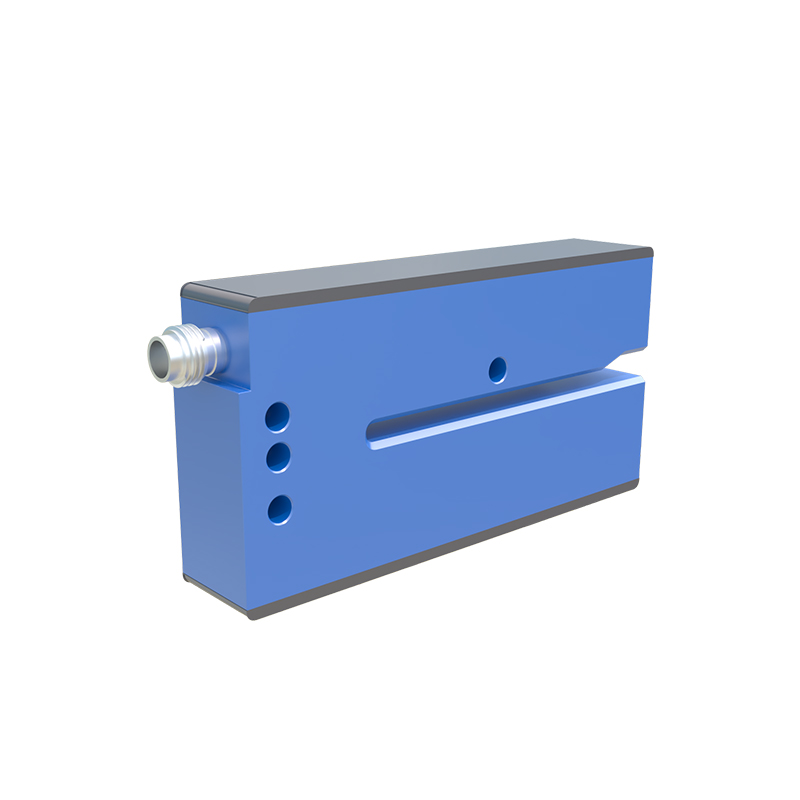
The functionality of photoelectric distance sensors is primarily based on three key principles: triangulation, time-of-flight (ToF), and phase-shift measurement. Triangulation is common in short-range, high-precision applications. Here, the emitted light beam hits the target and reflects back to a position-sensitive detector (PSD) or a CMOS array at an angle. The position of the light spot on the detector changes with the target's distance, allowing for precise calculation. Time-of-Flight sensors measure the time delay between the emission of a light pulse and the reception of its reflection. Given the constant speed of light, this time interval directly correlates to the distance. Phase-shift measurement, often used in laser-based sensors, analyzes the phase difference between the emitted modulated light wave and the reflected wave to determine distance with high accuracy.
Major Types of Photoelectric Sensors
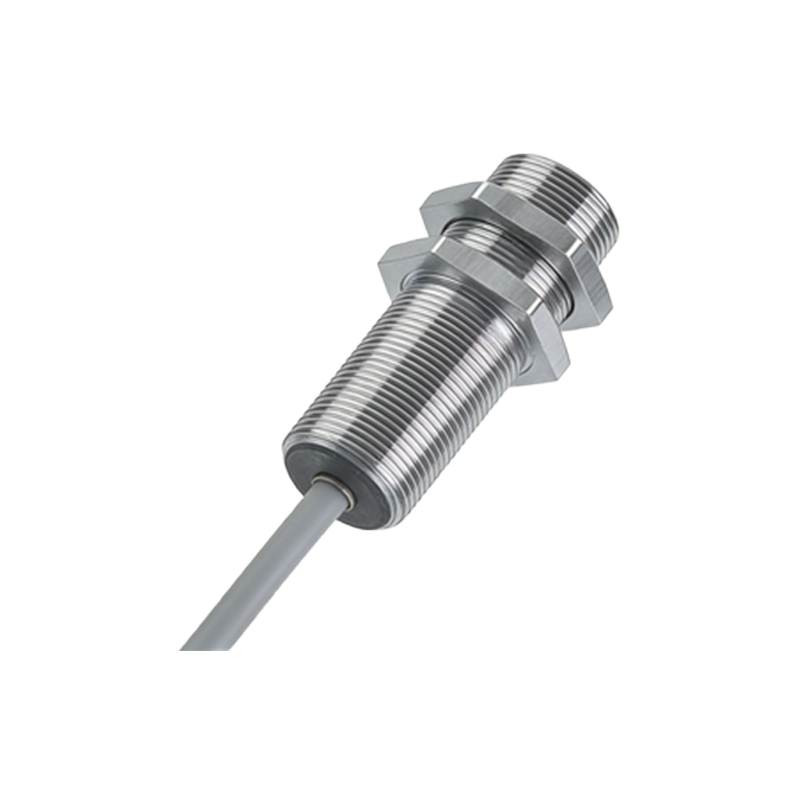
Several distinct types of photoelectric sensors are employed for distance measurement, each suited for specific conditions. Diffuse reflective sensors, or proximity sensors, detect light reflected directly from the target. Their measurement range and accuracy depend heavily on the target's color, texture, and reflectivity. Through-beam sensors consist of separate emitter and receiver units placed opposite each other; distance is inferred from the interruption of the beam, offering high reliability and long range. Retro-reflective sensors use a reflector to bounce the beam back to a receiver housed with the emitter, providing a good compromise between range and setup simplicity. Finally, focused, laser-based triangulation sensors offer the highest precision for small distances, while LiDAR (Light Detection and Ranging) systems, a form of advanced ToF, are used for long-range, 3D mapping applications.
Key Components and Specifications
Understanding the specifications of photoelectric sensors is crucial for selection. The light source is paramount: red LED is common and cost-effective; laser diodes provide a focused beam for precision; and infrared LEDs are used for discreet operation. The sensing range defines the minimum and maximum distances the sensor can reliably measure. Resolution indicates the smallest detectable change in distance, while repeatability specifies the consistency of measurements. Response time determines how quickly the sensor can update the distance reading, critical for high-speed automation. Environmental factors like ambient light immunity, operating temperature, and ingress protection (IP) ratings are also vital for robust performance in industrial settings.
Applications Across Industries
The applications for photoelectric distance sensors are vast and cross-disciplinary. In manufacturing and robotics, they are used for object detection, positioning, bin picking, and collision avoidance. They ensure precise wafer handling and alignment in semiconductor fabrication. In the automotive sector, they contribute to assembly line automation, parking assistance systems, and are integral to Advanced Driver-Assistance Systems (ADAS) like adaptive cruise control. Consumer electronics utilize miniature ToF sensors for facial recognition and camera autofocus. Furthermore, they play critical roles in logistics for parcel dimensioning, in agriculture for crop monitoring, and in drones for terrain following and obstacle detection.
Selection Criteria and Installation Tips
Selecting the right sensor requires a careful analysis of the application. Key questions include: What is the required measuring range and accuracy? What are the properties of the target (color, material, surface)? What is the required response speed? What are the environmental conditions (dust, moisture, vibration)? For installation, ensuring stable mounting to minimize vibration, aligning the sensor correctly with the target, and avoiding optical interference from highly reflective backgrounds or direct ambient light are essential practices. Regular maintenance, such as cleaning the lens, ensures long-term accuracy and reliability.
Future Trends and Developments
The field of photoelectric distance sensing is continuously evolving. Trends include the miniaturization of components, enabling integration into smaller devices like smartphones and IoT sensors. The development of more powerful and eye-safe laser classes expands application possibilities. Multi-pixel ToF sensors and solid-state LiDAR are revolutionizing 3D vision for robotics and autonomous vehicles. Furthermore, advancements in signal processing algorithms and the integration of artificial intelligence are enhancing sensors' ability to filter noise, recognize objects, and provide more intelligent data beyond simple distance, paving the way for smarter, more adaptive automated systems.