Introduction to Waterproof Proximity Sensors
In the demanding environments of modern industry, the reliability of sensing technology is paramount. A proximity sensor, fundamentally, is a non-contact device that detects the presence or absence of an object within its sensing range. When we specify a sensor as "waterproof," we refer to its engineered ability to resist the ingress of water and other liquids under defined conditions. This is not merely a feature but a critical design specification that determines the sensor's suitability for applications exposed to moisture, washdowns, rain, or even temporary submersion. The core principle involves sealing the sensor's housing, its sensing face, and all electrical connections to create a barrier against liquid penetration, thereby ensuring consistent performance and longevity in harsh conditions.
The Importance of Ingress Protection (IP) Ratings

The degree of waterproofing is quantitatively defined by the International Protection Marking code, commonly known as the IP rating. This standardized system, outlined by the IEC 60529 standard, is essential for specifying and comparing a sensor's protection levels. The IP code consists of the letters "IP" followed by two digits. The first digit indicates protection against solid objects (like dust), and the second digit specifically denotes protection against liquids. For waterproof proximity sensors, the second digit is of utmost importance. Common ratings for industrial waterproof sensors include IP67 and IP68. An IP67 rating certifies the sensor is dust-tight and can withstand immersion in water up to 1 meter for 30 minutes. An IP68 rating offers a higher level of protection, indicating the sensor is suitable for continuous immersion under conditions specified by the manufacturer, often at greater depths and for longer durations.
Key Construction and Sealing Technologies
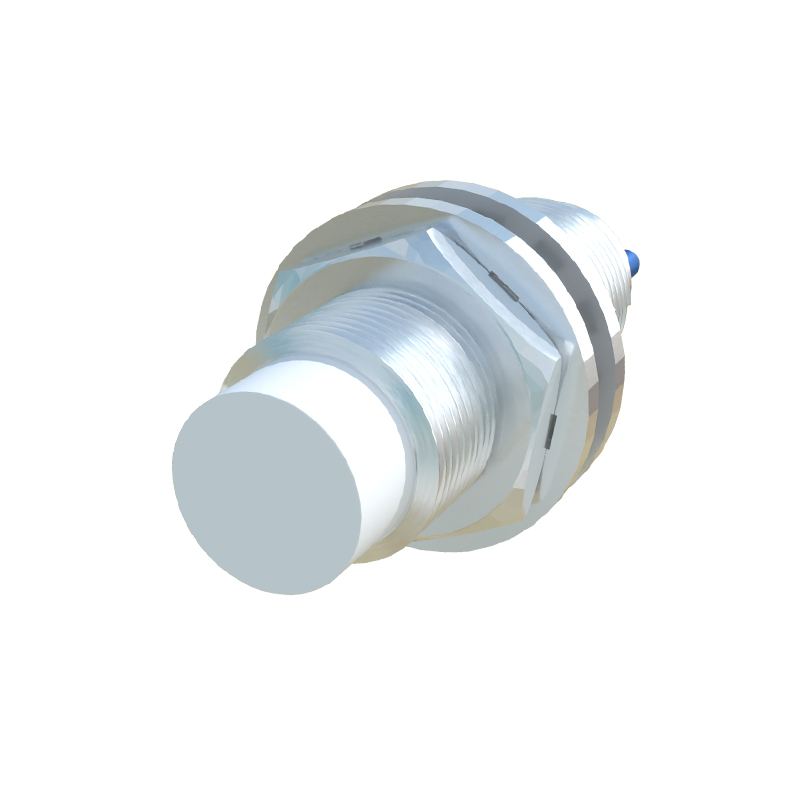
Achieving a high IP rating requires meticulous design and robust materials. The sensor housing is typically constructed from corrosion-resistant materials such as stainless steel (e.g., SUS304 or SUS316) or high-grade engineering plastics like PBT or PPS. Critical to the waterproof seal is the use of elastomeric gaskets or O-rings, usually made from silicone, nitrile rubber (NBR), or fluorocarbon (FKM), which are compressed between the housing components. Potting compounds—epoxy or silicone-based resins—are often used to encapsulate and seal the internal electronic circuitry, protecting it from moisture, vibration, and thermal shock. Furthermore, the sensing face, especially in inductive or capacitive models, is sealed with a layer of material (like PPS or PTFE) that is impervious to liquids while still allowing the electromagnetic field to pass through for object detection.
Common Types of Waterproof Proximity Sensors
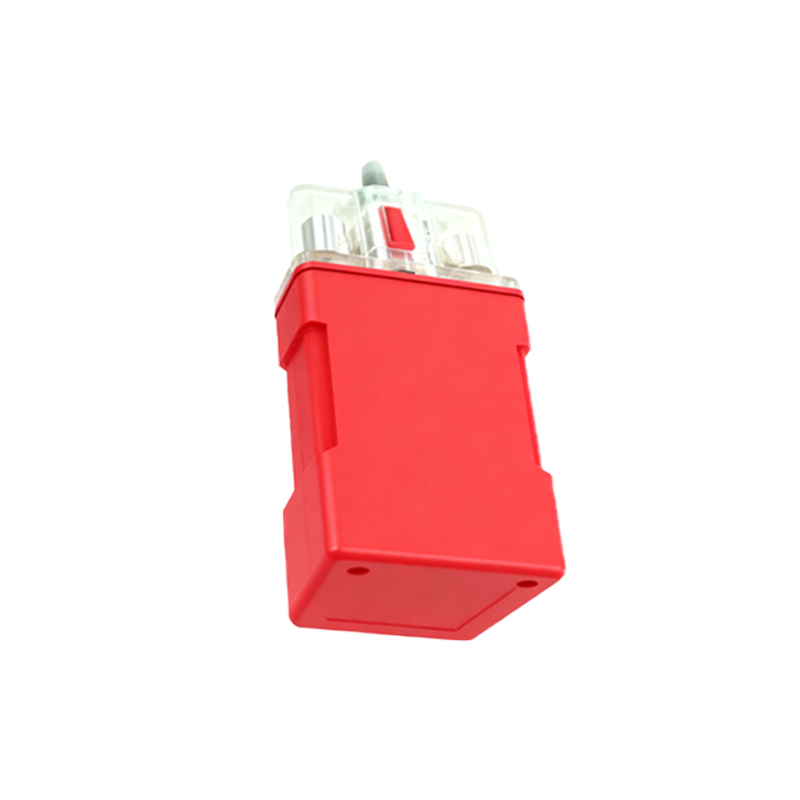
Waterproofing technology is applied across various proximity sensing principles. Inductive waterproof proximity sensors are the most prevalent, designed to detect metallic objects. They are extensively used in machine tools, automotive manufacturing, and material handling. Capacitive waterproof sensors can detect both metallic and non-metallic materials (liquids, plastics, wood) and are common in food and beverage processing or chemical plants where liquid level detection is needed. Ultrasonic waterproof sensors use sound waves to detect objects and are ideal for challenging environments with steam, dust, or heavy moisture, such as in wastewater treatment facilities. The choice of sensing technology, combined with the appropriate IP rating, dictates the sensor's application scope.
Typical Applications in Harsh Environments
The practical value of waterproof proximity sensors is realized in environments where standard sensors would fail. In food and beverage processing, sensors with IP69K ratings (resisting high-pressure, high-temperature washdowns) are mandatory for hygiene and safety. In marine and offshore applications, IP68-rated sensors are crucial for equipment exposed to saltwater spray or temporary submersion. Automotive manufacturing lines, particularly in painting and washing stages, require sensors that can withstand splashes and chemical exposure. Agricultural machinery, outdoor packaging systems, and pharmaceutical cleanrooms all rely on the unwavering performance of waterproof proximity sensors to maintain operational continuity, safety, and product quality.
Selection Criteria and Installation Best Practices
Selecting the right waterproof proximity sensor involves more than just choosing a high IP rating. Engineers must consider the specific liquid exposure (water, oil, chemicals, pressure), temperature range, required sensing distance, target material, and electrical output type (PNP/NPN, analog, IO-Link). It is critical to consult the manufacturer's datasheet for the exact test conditions of the IP rating. During installation, proper mounting is vital to preserve the IP seal. Over-tightening can warp the housing and compromise gaskets, while under-tightening can leave gaps. Cable glands or connectors must also have a matching IP rating. Regular maintenance should include inspecting seals and housings for physical damage