Introduction to Photoelectric Sensors in Automotive Applications
Modern automobiles are equipped with a wide array of sensors that enhance safety, efficiency, and driver convenience. Among these, photoelectric sensors play a crucial role. These sensors operate by detecting light, typically using a light source like an LED or laser and a photodetector. They can sense the presence, absence, or distance of objects by interpreting changes in light patterns. In the automotive industry, their non-contact nature, high precision, and reliability make them ideal for various critical functions. From advanced driver-assistance systems (ADAS) to basic comfort features, photoelectric sensors are integral components that contribute to the intelligence of today's vehicles. Their ability to function in diverse environmental conditions, coupled with rapid response times, ensures they meet the stringent demands of automotive engineering.
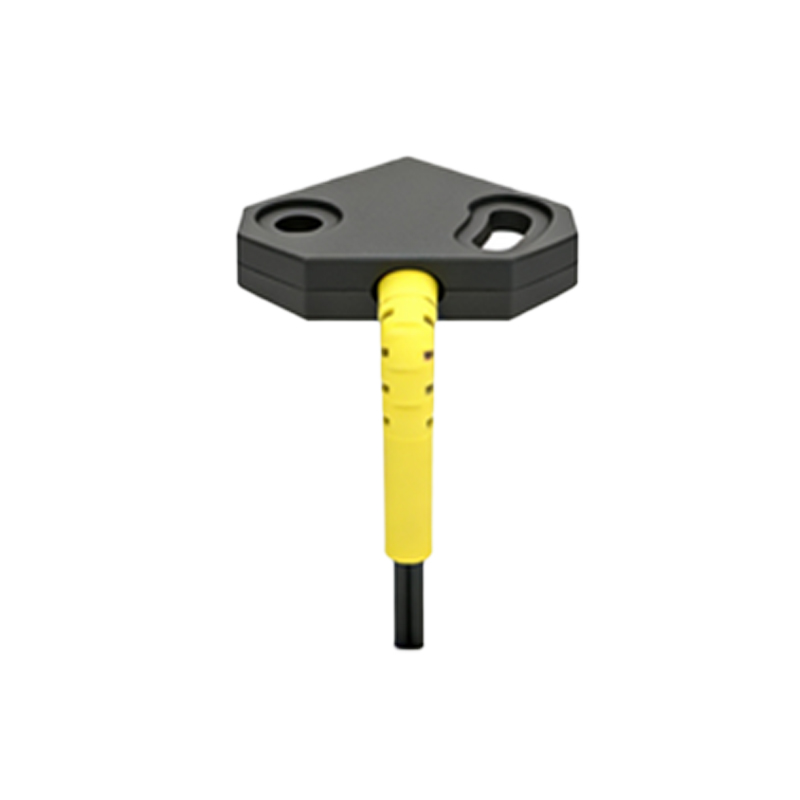
Types and Operating Principles
Photoelectric sensors in cars primarily utilize three fundamental operating principles: through-beam, retro-reflective, and diffuse reflective sensing. Through-beam sensors consist of separate transmitter and receiver units; an object is detected when it interrupts the light beam between them. This type offers long sensing ranges and high accuracy, often used in precise measurement applications. Retro-reflective sensors employ a reflector to bounce light back to the receiver, detecting objects that break this reflected beam. Diffuse reflective sensors, where the transmitter and receiver are housed together, detect objects based on light reflected directly from the target. In automotive contexts, these principles are adapted using infrared, visible, or laser light sources to suit specific needs, such as avoiding interference from ambient light or ensuring detection of various materials and surfaces.
Key Applications in Vehicle Systems
One of the most prominent applications is in automatic headlight control systems. Photoelectric sensors, often ambient light sensors, detect surrounding light levels to automatically turn headlights on or off, improving safety during dawn, dusk, or tunnel entry. Similarly, rain-sensing wipers use optical sensors on the windshield to detect raindrops by measuring changes in reflected light, adjusting wiper speed accordingly for optimal visibility. In advanced driver-assistance systems (ADAS), photoelectric sensors contribute to features like adaptive cruise control and collision avoidance by monitoring vehicle proximity and detecting obstacles. They are also found in parking assistance systems, where they help measure distances to objects during maneuvering. Additionally, interior applications include occupancy detection for airbag deployment optimization and gesture recognition for infotainment controls, enhancing both safety and user experience.
Integration with ADAS and Autonomous Driving
As vehicles evolve toward higher levels of automation, photoelectric sensors become increasingly vital. They are often integrated with other sensing technologies like radar, lidar, and cameras to create robust perception systems. For instance, in lidar (Light Detection and Ranging), which is essential for autonomous vehicles, photoelectric principles are used to measure distances by calculating the time it takes for laser pulses to reflect off objects. This enables detailed 3D mapping of the environment. Furthermore, photoelectric sensors support night vision systems by detecting infrared radiation from pedestrians or animals, alerting drivers beyond the range of standard headlights. Their role in ensuring real-time, accurate environmental perception is critical for the safety and reliability of both current ADAS features and future self-driving cars, making them a cornerstone of automotive innovation.
Challenges and Technological Advancements
Despite their advantages, implementing photoelectric sensors in automobiles presents challenges. Environmental factors such as fog, heavy rain, dirt, or extreme temperatures can affect light transmission and detection, potentially leading to sensor malfunctions. Automotive engineers address these issues through protective housings, self-cleaning mechanisms, and advanced signal processing algorithms that filter out noise. Recent advancements include the development of more durable and miniaturized sensors with lower power consumption. Additionally, the integration of smart sensors with embedded microprocessors allows for onboard diagnostics and adaptive calibration, improving longevity and performance. The trend toward connected vehicles also sees photoelectric sensors contributing to vehicle-to-everything (V2X) communication systems, enhancing overall traffic management and safety networks.
Future Trends and Industry Outlook
The future of photoelectric sensors in the automotive sector looks promising, driven by the push toward electrification, connectivity, and autonomy. Innovations are focusing on enhancing sensitivity and resolution while reducing costs, enabling wider adoption across vehicle segments. Emerging applications include biometric sensing for driver monitoring, such as detecting drowsiness or distraction through eye-tracking technologies that use optical sensors. There is also growing interest in using photoelectric sensors for structural health monitoring within vehicles, detecting stress or wear in components through non-invasive means. As regulations tighten on safety and emissions, these sensors will play a pivotal role in meeting compliance standards. Collaboration between sensor manufacturers and automotive OEMs is expected to accelerate, leading to more customized solutions that further redefine the driving experience.
Conclusion
In summary, photoelectric sensors are indeed present in modern cars, serving as silent yet essential contributors to automotive functionality. From basic lighting control to complex autonomous driving systems, their versatility and precision make them indispensable. As technology advances, these sensors will continue to evolve, offering greater capabilities and integration. For automotive engineers and enthusiasts, understanding the role of photoelectric sensors provides insight into the sophisticated electronics that define contemporary vehicles. Their ongoing development underscores the industry's commitment to innovation, safety, and sustainability, ensuring that future automobiles are smarter and more responsive than ever before.