Introduction to 470nm LED Proximity Sensing Technology
Proximity sensors utilizing a 470nm wavelength LED represent a significant advancement in industrial automation and precision detection. This specific blue-light spectrum offers unique advantages in material differentiation and environmental stability compared to traditional infrared or red-light sensors. The core principle involves emitting a focused beam of 470nm light and measuring the intensity of the reflected signal. The metal encapsulation of the sensor body and optical components is not merely a housing choice; it is a critical engineering decision that directly impacts performance, longevity, and reliability in harsh operational environments. This combination of precise wavelength control and robust physical construction creates a sensing solution tailored for demanding applications.
The Critical Role of Metal Encapsulation
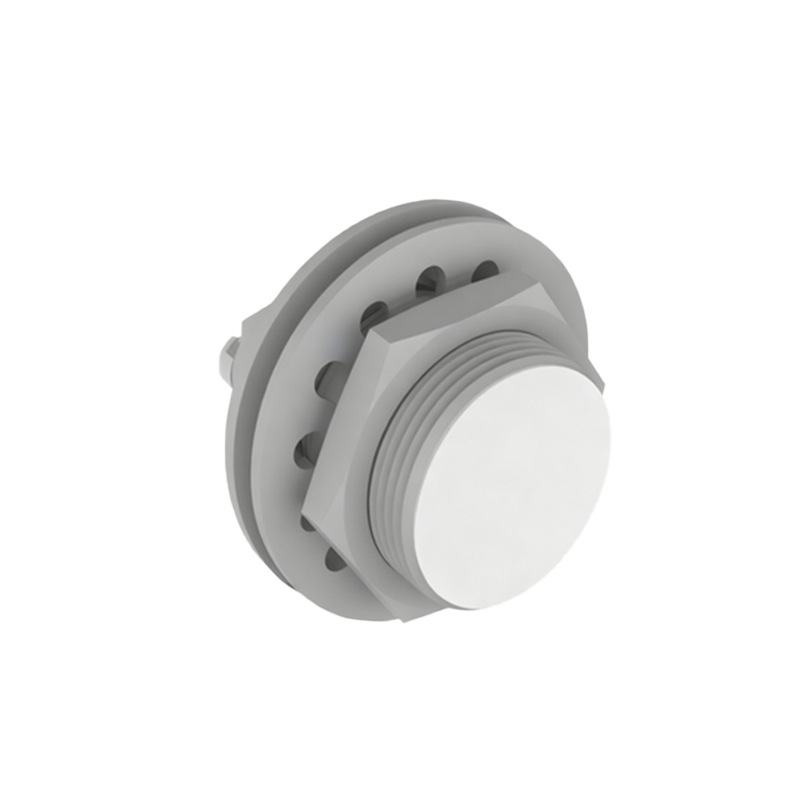
Metal encapsulation serves as the first line of defense for the sensitive internal electronics of a proximity sensor. In industrial settings, sensors are routinely exposed to physical impacts, corrosive chemicals, extreme temperatures, and electromagnetic interference (EMI). A high-grade stainless steel or aluminum alloy housing provides superior mechanical strength, shielding the internal photodiode, amplifier circuit, and the 470nm LED itself from damage. Furthermore, the metal casing acts as an effective Faraday cage, minimizing the impact of external EMI on the sensor's signal integrity. This ensures consistent and accurate detection, free from false triggers caused by nearby motors, welders, or power lines. The hermetic seal possible with metal encapsulation also protects against ingress of dust, oils, and coolants, often rated to IP67, IP68, or IP69K standards.
Advantages of the 470nm Wavelength
The choice of 470nm, situated in the blue region of the visible spectrum, is strategically important. This wavelength interacts with materials differently than longer wavelengths. It provides higher contrast for detecting objects that are poor reflectors of infrared light, such as transparent plastics, glass, or certain liquids. The 470nm light is also less susceptible to interference from ambient infrared radiation, which is common in high-temperature environments like foundries or near heating elements. This results in a more stable sensing performance with reduced drift. Additionally, the visible blue beam allows for easier alignment and troubleshooting during installation and maintenance, a practical benefit often overlooked in purely technical specifications.
Key Design and Performance Parameters
Engineering a high-performance 470nm LED metal proximity sensor involves optimizing several interdependent parameters. The sensing range is a primary specification, influenced by the output power of the LED and the sensitivity of the receiver. The metal housing design incorporates a precision-machined lens or window, often made of coated glass or sapphire, to collimate the 470nm beam for long-range, focused detection or diffuse it for wider coverage. Response time, typically in the microsecond range, is crucial for high-speed production lines. Other critical design considerations include the operating voltage range (commonly 10-30V DC), output configuration (PNP/NPN, NO/NC), and temperature operating range, which is significantly extended by the superior thermal conductivity of the metal housing, allowing heat to dissipate from the LED and ICs efficiently.
Application-Specific Solutions in Industry
The robustness and precision of metal-encapsulated 470nm LED sensors make them indispensable across diverse sectors. In automotive manufacturing, they are used for precise positioning of transparent windshield glass or for detecting the presence of fluids in opaque containers. In packaging machinery, they excel at detecting clear films, labels on metallic backgrounds, or monitoring fill levels in bottles. The metal body withstands frequent washdowns in food and beverage processing plants. In electronics assembly, their immunity to EMI ensures reliable detection of miniature components on PCBs. Each application may require a specific form factor—cylindrical, rectangular, or slot-style—all benefiting from the durability of metal construction tailored to the mounting and space constraints.
Installation and Long-Term Reliability Considerations
Proper installation is paramount to realizing the full potential of these sensors. Engineers must account for the sensing characteristics of the 470nm beam, ensuring the target material provides sufficient reflection at that wavelength. The metal body allows for secure mounting using standard nuts or brackets, often with built-in LEDs for status indication. Long-term reliability is a direct consequence of the design. The metal encapsulation prevents degradation from UV exposure, resists chemical corrosion, and maintains a stable internal environment for the electronics. This translates to reduced downtime, lower maintenance costs, and a significantly longer service life compared to plastic-bodied sensors, providing a superior total cost of ownership despite a potentially higher initial investment.
Future Trends and Integration
The evolution of 470nm LED metal proximity sensors is closely tied to advancements in Industry 4.0 and smart factory concepts. Future iterations will likely