Introduction to DC Proximity Inductive Sensors
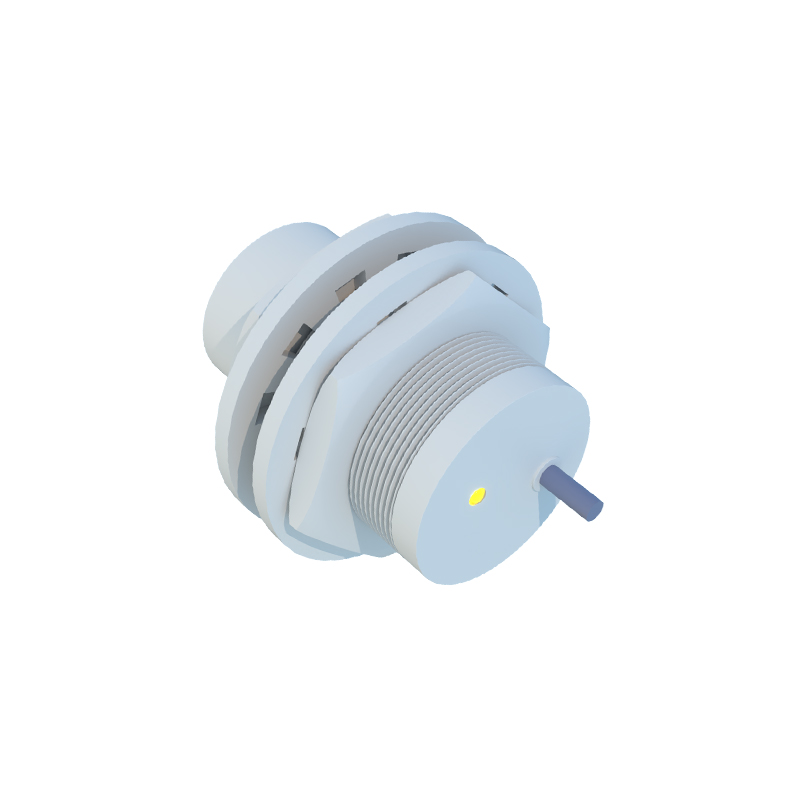
DC proximity inductive sensors are fundamental components in industrial automation, designed to detect the presence or absence of metallic objects without physical contact. Operating on direct current (DC) power supplies, typically ranging from 10 to 30 VDC, these sensors generate an electromagnetic field. When a metallic target enters this field, it induces eddy currents, causing a change in the sensor's oscillation amplitude. This change is processed internally to trigger a solid-state output signal, enabling seamless integration with programmable logic controllers (PLCs) and other control systems. Their non-contact nature ensures minimal wear and tear, leading to enhanced reliability and longevity in demanding environments such as manufacturing lines, packaging machinery, and robotic systems.
Core Operating Principles and Technology
The functionality of DC inductive proximity sensors hinges on electromagnetic induction. A coil within the sensor, powered by DC voltage, produces a high-frequency oscillating magnetic field. If a ferrous or non-ferrous metal object approaches within the specified sensing range, the object absorbs energy from the field, dampening the oscillations. This damping effect is detected by the sensor's circuitry, which subsequently switches its output state—either normally open (NO) or normally closed (NC). Key parameters include sensing distance, which is influenced by the target material's properties and size, and repeat accuracy, ensuring consistent detection. Advanced models incorporate features like short-circuit protection, reverse polarity protection, and immunity to environmental factors like dust, oil, and vibrations.
Key Applications in Industrial Settings
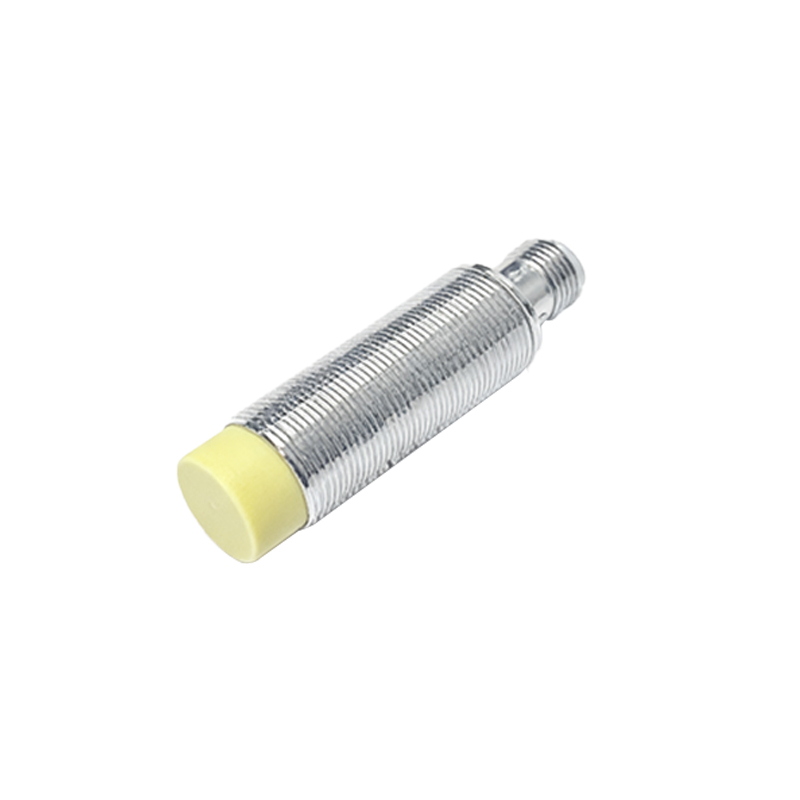
In practical applications, DC proximity inductive sensors serve diverse roles across sectors. They are extensively used for position sensing, such as verifying the presence of parts on conveyor belts or detecting the end position of cylinders in pneumatic systems. In assembly automation, they ensure components are correctly aligned before welding or fastening processes. Counting and sorting operations rely on these sensors to tally metallic items accurately. Additionally, they provide safety functions by monitoring guard doors or verifying machine tool positions, preventing accidents. Their robustness makes them ideal for harsh conditions, including high-temperature areas or washdown environments in food processing, where stainless-steel housings are often employed.
Advantages Over Alternative Sensor Types
Compared to other sensing technologies like capacitive, ultrasonic, or photoelectric sensors, DC inductive proximity sensors offer distinct benefits. Their exclusive response to metals eliminates false triggers from non-metallic materials, ensuring high precision in metal detection tasks. They exhibit fast response times, often in microseconds, crucial for high-speed production lines. With no moving parts, they require minimal maintenance and are resistant to shock and vibration. The DC versions, in particular, provide stable performance with low electrical noise, simplifying wiring and reducing interference in complex control panels. Energy efficiency is another advantage, as many models consume minimal power, aligning with modern sustainability goals in industrial operations.
Selection Criteria and Installation Best Practices
Choosing the right DC inductive proximity sensor involves evaluating several factors. The sensing distance must match the application requirements, considering factors like target material and size. Housing material—such as nickel-plated brass, stainless steel, or plastic—should be selected based on environmental exposure to chemicals, moisture, or mechanical stress. Output configuration (PNP or NPN) must be compatible with the control system's input module. During installation, proper alignment and mounting are critical; sensors should be positioned to avoid interference from adjacent metal structures. Ensuring adequate clearance around the sensing face prevents false readings. Regular testing and calibration, as per manufacturer guidelines, help maintain optimal performance over time.
Future Trends and Innovations
The evolution of DC proximity inductive sensors continues with advancements in miniaturization, intelligence, and connectivity. Modern sensors are becoming smaller while offering extended sensing ranges and enhanced durability. Integration of IO-Link communication allows for real-time data exchange, enabling predictive maintenance by monitoring parameters like temperature or signal strength. Smart sensors can self-diagnose issues, reducing downtime. Furthermore, developments in materials science are improving resistance to extreme conditions, such as high temperatures or corrosive atmospheres. As Industry 4.0 and the Industrial Internet of Things (IIoT) expand, these sensors will play a pivotal role in creating more adaptive, efficient, and interconnected automated systems.