Understanding Photoelectric Sensor Fundamentals
Selecting the best photoelectric sensor requires a solid grasp of its operating principles. At its core, a photoelectric sensor consists of an emitter (light source) and a receiver. The emitter projects a light beam, and the receiver detects changes in this beam's properties—such as its presence, intensity, or time-of-flight—to determine an object's presence, absence, distance, or surface characteristics. The three primary sensing modes are through-beam, retro-reflective, and diffuse (proximity). Through-beam sensors offer the longest range and highest reliability, as the emitter and receiver are separate units. Retro-reflective types use a reflector to bounce the beam back, providing a good balance of range and ease of installation. Diffuse sensors detect light reflected directly from the target itself, making them compact and ideal for close-range applications where mounting separate components is impractical. The "best" choice always begins with matching the fundamental sensing mode to the physical constraints and requirements of the application.
Key Performance Criteria for Evaluation
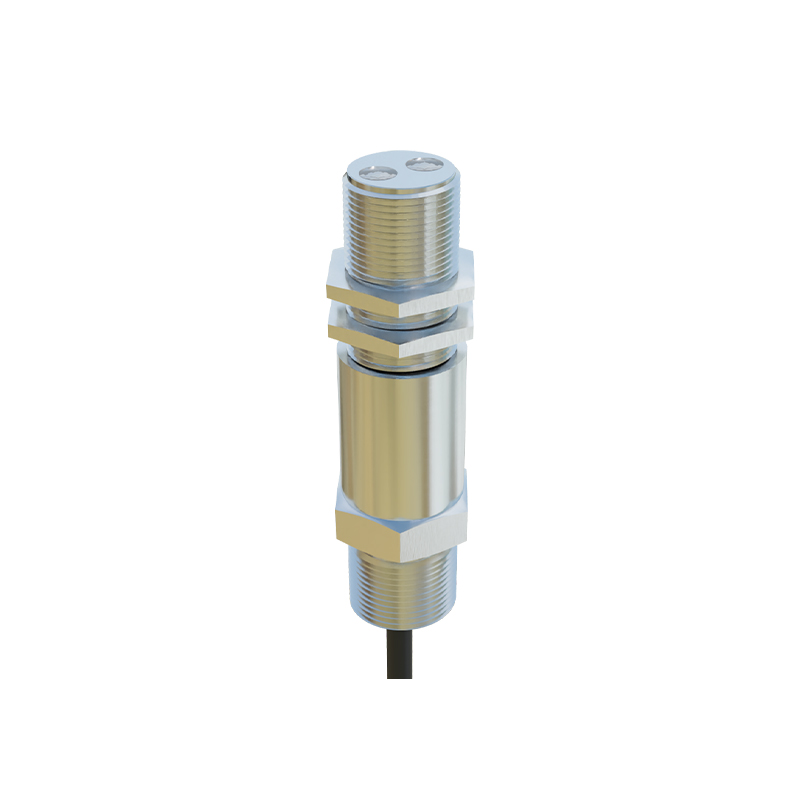
Beyond the basic type, several technical specifications critically define sensor performance. Sensing range is paramount; it must accommodate the maximum expected distance to the target under all operating conditions. Response time, often in milliseconds, determines how fast the sensor can detect a change and output a signal, which is crucial for high-speed production lines. Environmental robustness is non-negotiable in industrial settings. Look for high Ingress Protection (IP) ratings (e.g., IP67, IP69K) for resistance to dust and water, wide operating temperature ranges, and resistance to chemicals or oils. The light source itself is a key differentiator. Red visible LED is common and easy to align, while infrared LED is less susceptible to ambient light interference. Laser diodes provide extremely precise, focused beams for small part detection or precise positioning. Finally, consider the electrical output type (PNP/NPN, analog, IO-Link) and housing material (metal vs. plastic) based on your control system and physical environment.
Advanced Features for Complex Applications
Modern photoelectric sensors incorporate sophisticated features that solve challenging detection problems. Background suppression technology, particularly using the triangulation principle, allows a diffuse sensor to ignore objects beyond a set distance, reliably detecting targets against varying or distant backgrounds. Contrast sensors are optimized to detect differences in color, grayscale, or mark presence, essential in packaging and printing. Luminescence sensors detect materials that glow under UV light, useful for security marking. Fiber optic units, where the sensor body houses the electronics and flexible light guides carry the beam, enable sensing in extremely hot, cramped, or hazardous locations. For distance measurement, time-of-flight (ToF) sensors provide precise, continuous analog output proportional to distance. Sensors with teach-in functions (via button or remote input) simplify setup by allowing on-site programming of sensitivity thresholds, drastically reducing installation and changeover time.
Application-Specific Recommendations
The optimal sensor varies dramatically by use case. For long-range object detection on conveyor belts or in warehousing, a robust through-beam or long-range diffuse sensor with a laser source is often superior. In automated packaging, where clear films, shiny wrappers, or inconsistent backgrounds are common, a diffuse sensor with background suppression or a polarized retro-reflective sensor (which ignores shiny targets as reflectors) is the best solution. For precise liquid level control in translucent bottles, a through-beam sensor provides reliable detection. In harsh environments like washdown areas in food & beverage, the best choice is a stainless-steel housing sensor with a high IP69K rating and a sealed lens. For detecting minute components in electronics assembly, a focused, precise contrast or laser sensor is necessary. Always consult the specific application challenges: target size, material, color, speed, ambient light, and environmental contaminants.
Leading Brands and Technological Trends
The market offers high-quality photoelectric sensors from several established manufacturers, including Sick, Keyence, Omron, Banner Engineering, and Pepperl+Fuchs. While each brand has its strengths, the "best" is not a universal brand but the specific model that fits your technical and budgetary needs. Keyence is renowned for advanced features and ultra-high performance, Sick for robustness and reliability in harsh settings, and Banner for a strong balance of performance and value. Current technological trends are shaping the next generation. The integration of IO-Link communication is becoming standard, enabling digital parameter setting, remote monitoring, and predictive maintenance data from the sensor itself. Furthermore, the development of smarter sensors with built-in logic and diagnostics is reducing the load on central controllers and enhancing overall system intelligence and flexibility.