Introduction to Photoelectric Sensors
Photoelectric sensors are essential components in modern industrial automation, utilizing light beams to detect the presence, absence, or distance of objects. These sensors operate by emitting a light source, typically infrared, visible, or laser light, and measuring changes in the received light intensity caused by an object interrupting or reflecting the beam. The core principle involves converting optical signals into electrical outputs, enabling precise control in various applications. With advancements in technology, photoelectric sensors have evolved to offer high accuracy, reliability, and versatility, making them indispensable in manufacturing, packaging, and safety systems. Their ability to function in harsh environments, such as those with dust, moisture, or extreme temperatures, further enhances their appeal in industrial settings.
Key Features of Photoelectric Sensors
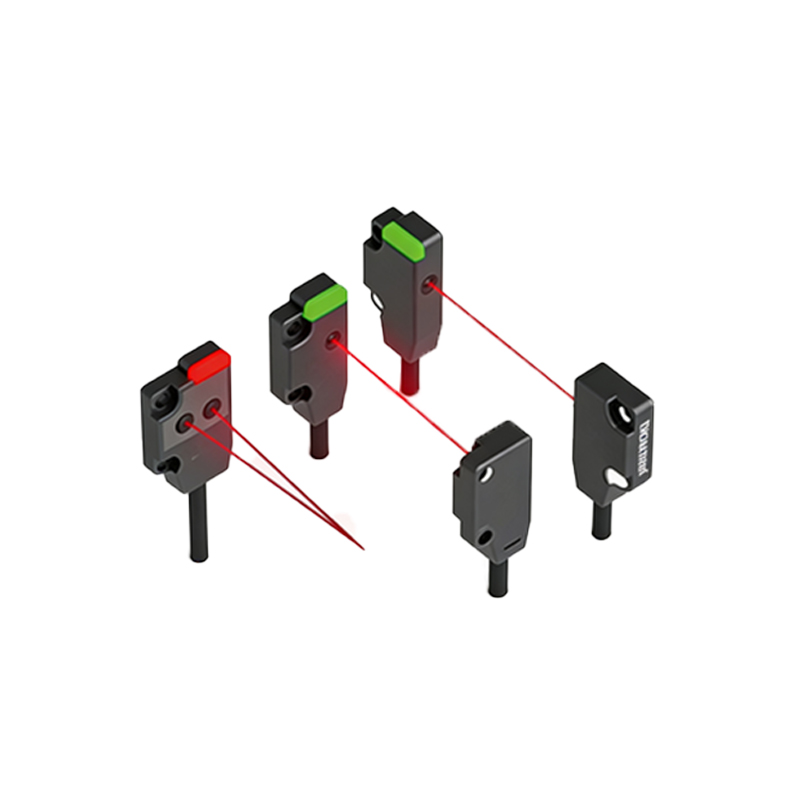
Photoelectric sensors boast several distinctive features that set them apart from other sensing technologies. First, they provide non-contact detection, minimizing wear and tear and allowing for use with delicate or moving objects. This feature ensures longevity and reduces maintenance costs. Second, these sensors offer high-speed response times, often in the millisecond range, enabling real-time monitoring and control in fast-paced production lines. Third, they come in various types, including through-beam, retro-reflective, and diffuse reflective models, each suited to specific detection needs. Through-beam sensors, for example, consist of separate emitter and receiver units, offering long-range detection up to several meters, while diffuse reflective sensors integrate both components for compact installations. Additionally, photoelectric sensors are known for their high precision, with some models capable of detecting minute objects or subtle color changes. They also feature adjustable sensitivity settings, allowing customization for different materials and environmental conditions.
Applications in Industrial Automation
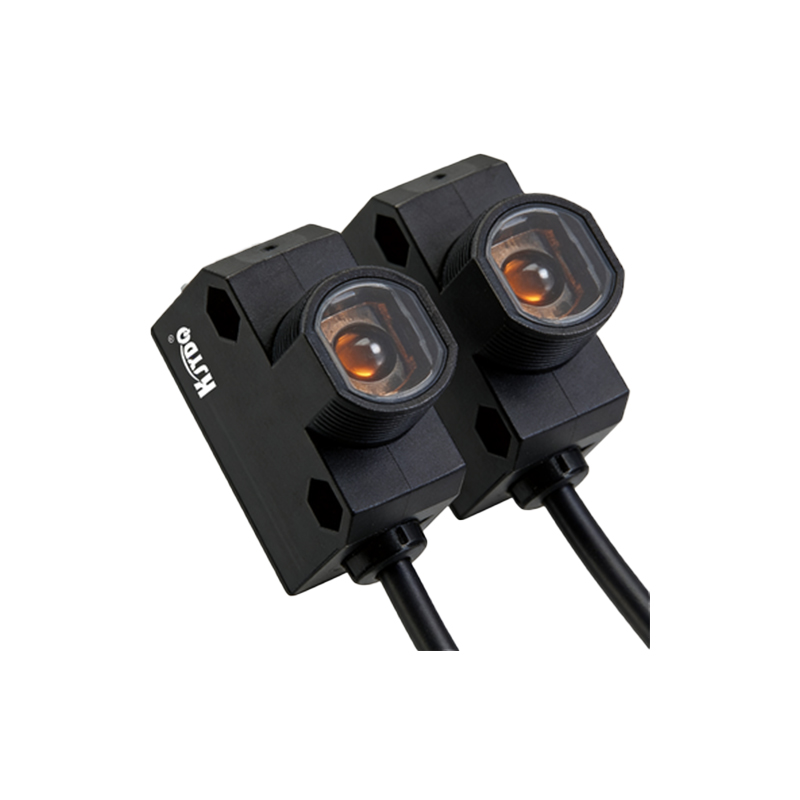
In industrial automation, photoelectric sensors play a critical role across multiple sectors. In manufacturing, they are used for object detection on conveyor belts, ensuring proper positioning and counting of items. For instance, in automotive assembly lines, sensors verify the presence of components like bolts or panels, triggering robotic arms for precise placement. In packaging industries, these sensors monitor fill levels in containers, detect label positions, and control sealing processes, enhancing efficiency and reducing waste. Another significant application is in material handling, where sensors guide automated guided vehicles (AGVs) by detecting obstacles or navigation markers, preventing collisions and optimizing routes. Furthermore, photoelectric sensors contribute to quality control by inspecting product dimensions, surface defects, or color consistency, often integrated with vision systems for comprehensive analysis. In safety systems, they serve as light curtains or barriers to protect workers from hazardous machinery, instantly stopping operations when a beam is interrupted.
Advantages Over Other Sensor Types
Compared to inductive or capacitive sensors, photoelectric sensors offer unique advantages that make them preferable in many scenarios. One major benefit is their ability to detect a wide range of materials, including non-metallic objects like plastics, glass, or liquids, which inductive sensors cannot sense. This versatility expands their usability in diverse industries, from food processing to pharmaceuticals. Moreover, photoelectric sensors provide longer detection distances, with some through-beam models reaching over 50 meters, whereas capacitive sensors are limited to shorter ranges. They also excel in environments where electrical interference is present, as light-based signals are less susceptible to noise. However, it's important to note that photoelectric sensors may be affected by ambient light or transparent objects, but modern designs incorporate modulated light sources and filters to mitigate these issues. Overall, their combination of flexibility, range, and reliability positions them as a top choice for complex automation tasks.
Future Trends and Innovations
The future of photoelectric sensors is shaped by ongoing innovations aimed at enhancing performance and integration. Emerging trends include the development of smart sensors with built-in IoT connectivity, enabling data collection and remote monitoring for predictive maintenance. These sensors can transmit real-time diagnostics to central systems, reducing downtime and optimizing operations. Another advancement is the miniaturization of components, allowing for compact designs that fit into tight spaces without compromising functionality. Additionally, improvements in laser technology are leading to higher-resolution sensors capable of detecting sub-millimeter details, useful in precision engineering and electronics manufacturing. Energy efficiency is also a focus, with low-power models extending battery life in wireless applications. As industries embrace Industry 4.0, photoelectric sensors are increasingly integrated with artificial intelligence and machine learning algorithms to enable adaptive sensing, such as automatically adjusting thresholds based on environmental changes. These innovations promise to further solidify their role in automated systems.