Introduction to Fork Photoelectric Sensors
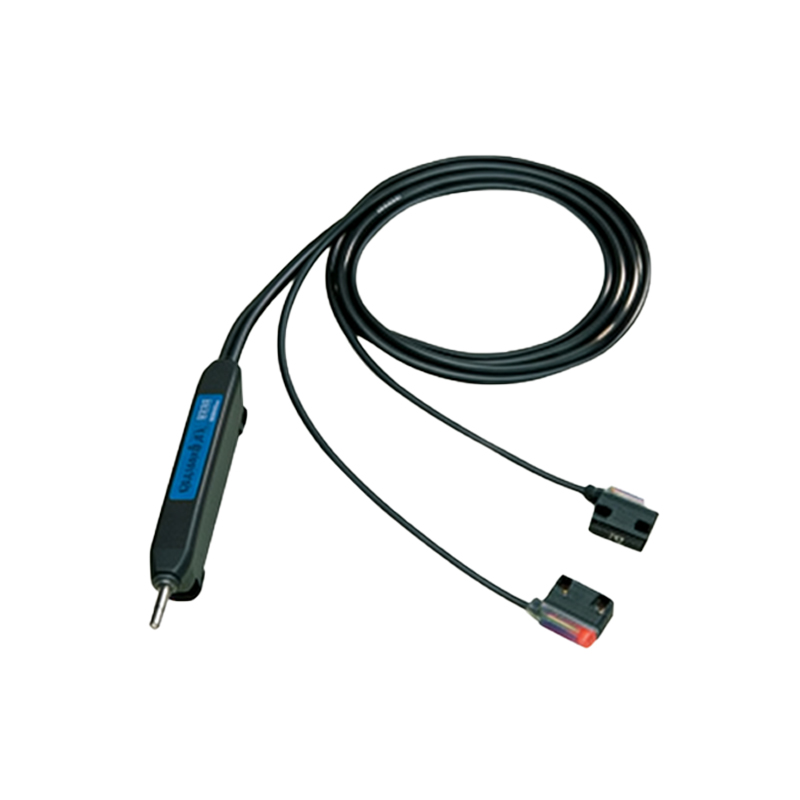
Fork photoelectric sensors, also known as through-beam sensors, are essential components in modern industrial automation. These devices consist of a transmitter and a receiver housed in a U-shaped fork, allowing them to detect objects that pass through the gap. The transmitter emits a light beam, typically infrared or visible light, which is received by the opposite side. When an object interrupts this beam, the sensor triggers an output signal. This design enables high-precision detection without physical contact, making fork sensors ideal for applications requiring reliability and speed. Their robust construction often includes materials like stainless steel or hardened plastics, ensuring durability in harsh environments such as manufacturing floors or outdoor settings. Industries rely on these sensors for tasks ranging from object counting to edge detection, thanks to their fast response times and minimal maintenance needs.
Key Features and Advantages
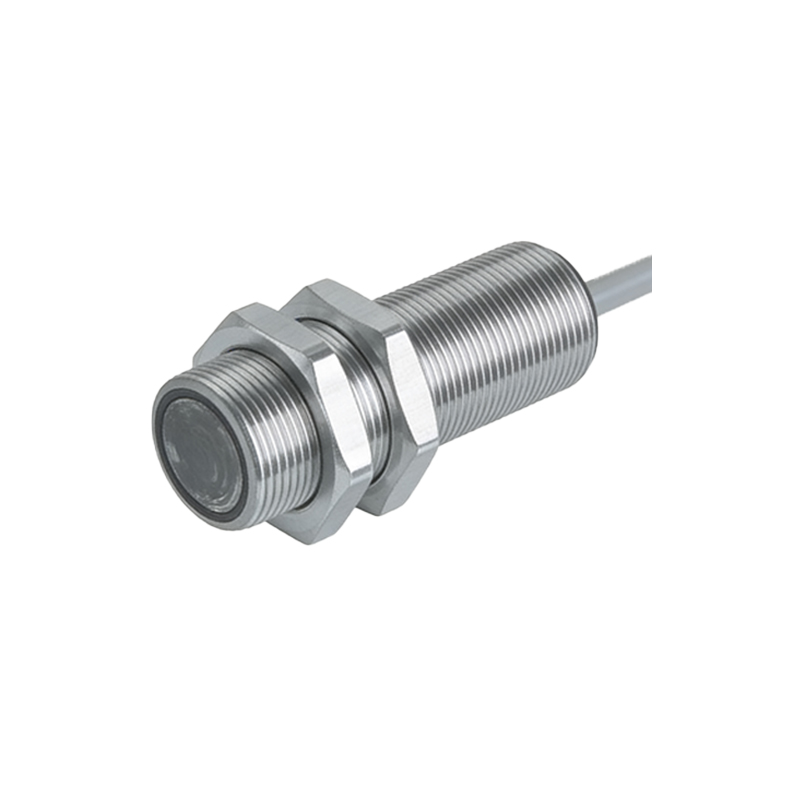
Fork photoelectric sensors offer several distinct features that set them apart from other sensor types. One major advantage is their ability to detect small or transparent objects, such as glass or plastic films, which might be challenging for other sensors. The through-beam configuration provides a consistent and stable signal, reducing false triggers caused by environmental factors like dust or vibrations. Additionally, these sensors often come with adjustable sensitivity settings, allowing users to fine-tune detection based on specific application requirements. Their compact fork design facilitates easy installation in tight spaces, and many models include LED indicators for real-time status monitoring. Energy efficiency is another benefit, as modern fork sensors consume low power while delivering high performance, contributing to cost savings in large-scale operations. Overall, their versatility and reliability make them a preferred choice in automation systems.
Common Applications in Manufacturing
In manufacturing environments, fork photoelectric sensors play a crucial role in enhancing efficiency and safety. They are widely used for object detection on conveyor belts, where they monitor the presence, size, or position of items like packages, bottles, or electronic components. For example, in packaging lines, these sensors ensure that products are correctly aligned before sealing or labeling, preventing jams and errors. Another common application is in assembly processes, where they verify the placement of parts or trigger robotic arms for precise operations. In the automotive industry, fork sensors detect components during welding or painting stages, maintaining quality control. Their high-speed response enables real-time monitoring, which is vital for just-in-time production systems. By integrating with PLCs (Programmable Logic Controllers), these sensors help automate workflows, reduce downtime, and improve overall productivity.
Use Cases in Material Handling and Logistics
Material handling and logistics sectors heavily depend on fork photoelectric sensors for smooth operations. In warehouses, these sensors are employed in automated guided vehicles (AGVs) to navigate pathways and avoid collisions by detecting obstacles. They also assist in sorting systems, where they identify parcels based on size or barcode labels, directing them to appropriate bins. For palletizing and depalletizing, fork sensors ensure that stacks are properly aligned and counted, minimizing manual intervention. In conveyor systems, they detect gaps between items to optimize spacing and prevent overcrowding. Additionally, in hazardous areas, explosion-proof models of fork sensors enhance safety by monitoring equipment without spark risks. Their ability to withstand temperature variations and mechanical stress makes them suitable for outdoor logistics, such as in ports or distribution centers, where reliability is paramount for continuous operation.
Integration with Smart Systems and IoT
The advent of Industry 4.0 has expanded the capabilities of fork photoelectric sensors through integration with smart systems and the Internet of Things (IoT). Modern sensors often feature digital outputs and communication protocols like IO-Link, enabling seamless data exchange with central control systems. This connectivity allows for predictive maintenance, as sensors can transmit performance metrics to alert operators about potential failures before they occur. In IoT-enabled factories, fork sensors contribute to real-time analytics by tracking production rates or detecting anomalies in processes. For instance, they can monitor the wear and tear of machinery parts by sensing vibrations or misalignments. By combining with AI algorithms, these sensors help optimize energy usage and reduce waste, supporting sustainable manufacturing practices. Their role in cyber-physical systems underscores their importance in creating adaptive and efficient industrial ecosystems.
Maintenance and Best Practices
To ensure long-term performance, proper maintenance of fork photoelectric sensors is essential. Regular cleaning of the lens and fork gap is recommended to prevent buildup of dirt or debris that could interfere with light transmission. Users should periodically check alignment between the transmitter and receiver, as misalignment can lead to detection errors. Calibration may be necessary when switching applications or after environmental changes, such as temperature shifts. It's also advisable to inspect wiring and connections for corrosion or damage, especially in humid or corrosive settings. Following manufacturer guidelines for operating conditions, like voltage ranges and ambient temperatures, can extend sensor lifespan. Implementing routine diagnostics through connected systems can preempt issues, reducing downtime. By adhering to these best practices, industries can maximize the reliability and cost-effectiveness of their sensor deployments.
Future Trends and Innovations
The future of fork photoelectric sensors is shaped by ongoing technological advancements. Emerging trends include the development of miniaturized sensors with enhanced detection ranges, suitable for micro-assembly applications in electronics or medical device manufacturing. Innovations in light sources, such as laser-based beams, promise higher accuracy for detecting ultrafine objects. Energy-harvesting capabilities are being explored to create self-powered sensors that reduce wiring complexity. Additionally, integration with wireless networks will enable more flexible installations in remote or mobile setups. As industries move toward greener practices, eco-friendly materials in sensor construction are gaining attention. Research into AI-driven sensors that can learn and adapt to changing environments is also underway, potentially revolutionizing automation. These trends indicate that fork photoelectric sensors will continue to evolve, offering smarter and more sustainable solutions for industrial challenges.