Introduction to Ultrasonic Proximity Sensors
Ultrasonic proximity sensors are versatile devices that utilize sound waves beyond the human hearing range to detect the presence, distance, and position of objects without physical contact. Operating on the principle of emitting high-frequency sound pulses and measuring the time taken for the echo to return, these sensors provide reliable data in various environmental conditions. Their ability to function effectively regardless of object color, transparency, or material—unlike optical sensors—makes them indispensable in complex industrial settings. With advancements in technology, modern ultrasonic sensors offer high precision, robust construction, and resistance to dust, moisture, and ambient light interference, ensuring consistent performance in demanding applications.
Liquid Level Monitoring and Control
One of the most prevalent applications of ultrasonic proximity sensors is in liquid level measurement within tanks, silos, and containers across industries such as chemical processing, water treatment, and food and beverage. Mounted at the top of a vessel, the sensor emits ultrasonic waves downward toward the liquid surface. By calculating the time delay of the reflected signal, it accurately determines the fill level, enabling automated control of pumps and valves to maintain optimal levels. This non-contact method prevents contamination and corrosion risks associated with float-based or pressure sensors, especially when handling aggressive or sterile fluids. In wastewater management, these sensors monitor sludge levels, while in beverage production, they ensure precise bottling without overflow, enhancing both safety and efficiency.
Object Detection and Positioning in Automation
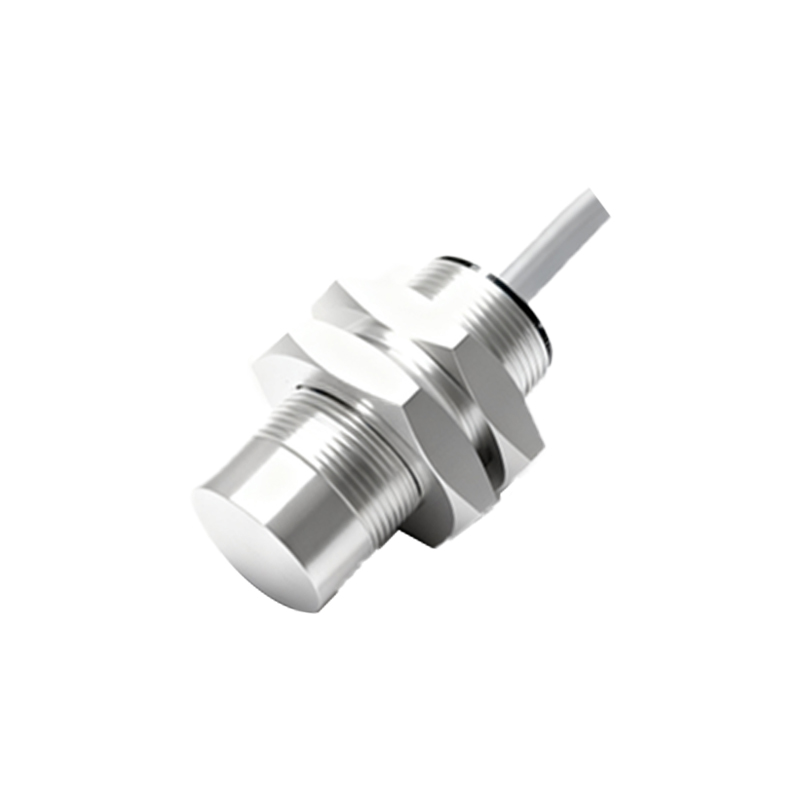
In automated manufacturing and robotics, ultrasonic proximity sensors play a critical role in object detection, positioning, and collision avoidance. On assembly lines, they identify the presence of components on conveyor belts, regardless of their shape or reflectivity, triggering subsequent actions like sorting or packaging. Robotic arms equipped with ultrasonic sensors can gauge the distance to workpieces, allowing for precise pick-and-place operations in electronics or automotive assembly. Additionally, autonomous guided vehicles (AGVs) rely on these sensors for navigation and obstacle detection in warehouses, where they help avoid collisions with walls, pallets, or personnel. Their immunity to color variations and ambient light makes them superior to photoelectric sensors in dusty or poorly lit environments, reducing downtime and improving workflow continuity.
Parking Assistance and Vehicle Safety Systems
The automotive industry extensively employs ultrasonic proximity sensors in parking assistance and safety systems. Integrated into bumpers or fenders, these sensors detect nearby obstacles during low-speed maneuvers, such as parallel parking or reversing. Drivers receive audible or visual alerts based on distance measurements, preventing collisions with curbs, other vehicles, or pedestrians. Advanced driver-assistance systems (ADAS) also utilize ultrasonic sensors for blind-spot monitoring and cross-traffic alerts, enhancing overall road safety. Their durability in harsh weather conditions—like rain, snow, or fog—ensures reliable performance year-round. As autonomous vehicle technology evolves, ultrasonic sensors complement cameras and radar by providing short-range detection capabilities, contributing to a multi-sensor safety ecosystem.
Material Handling and Inventory Management
Warehousing and logistics operations benefit significantly from ultrasonic proximity sensors in material handling and inventory management. Mounted on cranes or forklifts, they assist in positioning loads accurately, preventing damage during stacking or retrieval in high-bay storage systems. For bulk solids like grains or powders in silos, these sensors monitor fill levels to optimize inventory and prevent overfilling. In automated storage and retrieval systems (AS/RS), ultrasonic sensors ensure precise alignment of racks and containers, streamlining order fulfillment processes. Their ability to ignore dust or vapor—common in industrial settings—makes them ideal for harsh environments where other sensor types might fail, thereby reducing maintenance costs and improving operational reliability.
Healthcare and Sanitation Applications
Beyond industrial uses, ultrasonic proximity sensors find innovative applications in healthcare and sanitation. In medical devices, they enable touchless operation of equipment like infusion pumps or sanitizer dispensers, minimizing cross-contamination risks in hospitals. Public restrooms and facilities incorporate these sensors for hands-free faucets, soap dispensers, and flush systems, promoting hygiene and conserving resources. Additionally, they assist in patient monitoring systems by detecting movement or presence without physical contact, useful in elderly care or rehabilitation settings. The non-invasive nature of ultrasonic technology ensures safe and discreet functionality, aligning with modern health standards and automation trends in the service sector.
Future Trends and Industry Outlook
The future of ultrasonic proximity sensors is shaped by trends toward Industry 4.0 and the Internet of Things (IoT). Enhanced with digital interfaces and connectivity features, next-generation sensors can transmit real-time data to cloud platforms for predictive maintenance and analytics. Miniaturization allows integration into compact devices, while improved algorithms boost accuracy in detecting complex shapes