Introduction to Photoelectric Sensors
Photoelectric sensors are widely used in industrial automation for detecting objects, measuring distances, and ensuring precise control in various applications. As a leading technology provider, Huawei has developed a range of photoelectric sensors known for their reliability and advanced features. However, a common concern among engineers and users is whether these sensors tend to overheat during operation, as excessive heat can affect performance, accuracy, and lifespan. This article explores the factors related to heat generation in Huawei photoelectric sensors, based on technical specifications, industry standards, and practical usage scenarios.
How Photoelectric Sensors Work
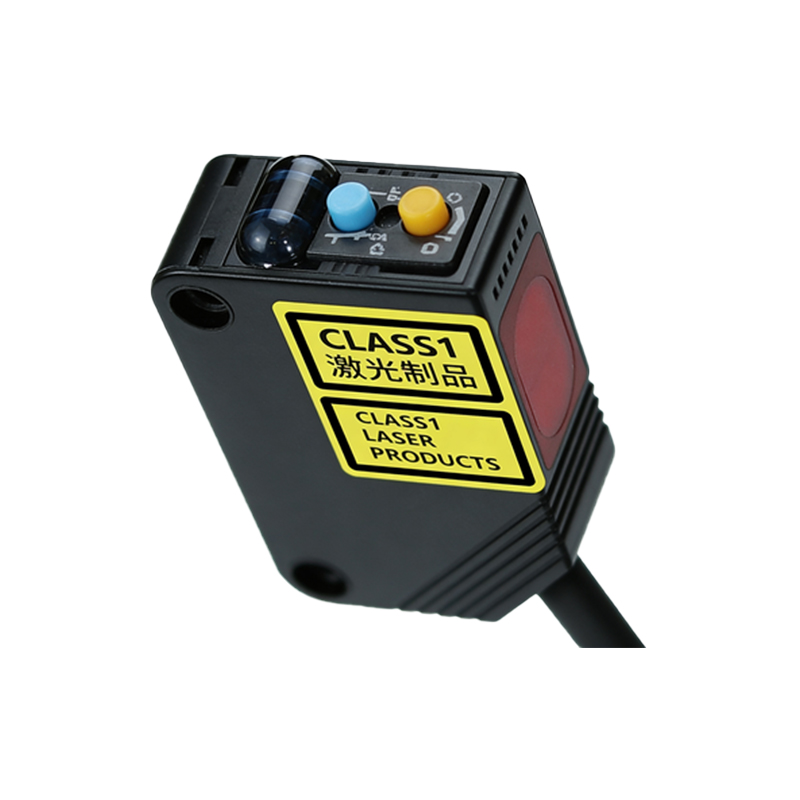
Photoelectric sensors operate by emitting a light beam, typically from an LED or laser source, and detecting its reflection or interruption to sense objects. The core components include a light emitter, receiver, and signal processing circuitry. In Huawei's models, these elements are designed with energy-efficient technologies to minimize power consumption. Heat generation primarily stems from the electrical current flowing through the emitter and electronic circuits. Under normal conditions, the heat produced is minimal and dissipates quickly through the sensor's housing, which is often made of materials like aluminum or plastic that aid in thermal management.
Factors Influencing Heat Generation
Several factors can contribute to heat buildup in Huawei photoelectric sensors. First, the operating environment plays a crucial role; high ambient temperatures or poor ventilation can cause sensors to run hotter than usual. Second, continuous operation at maximum power settings, such as in high-speed detection tasks, may increase internal temperature. Third, installation issues, like mounting sensors in enclosed spaces without adequate airflow, can impede heat dissipation. Huawei designs its sensors with these considerations in mind, incorporating features like low-power modes and robust casings to mitigate overheating risks.
Huawei's Design and Thermal Management
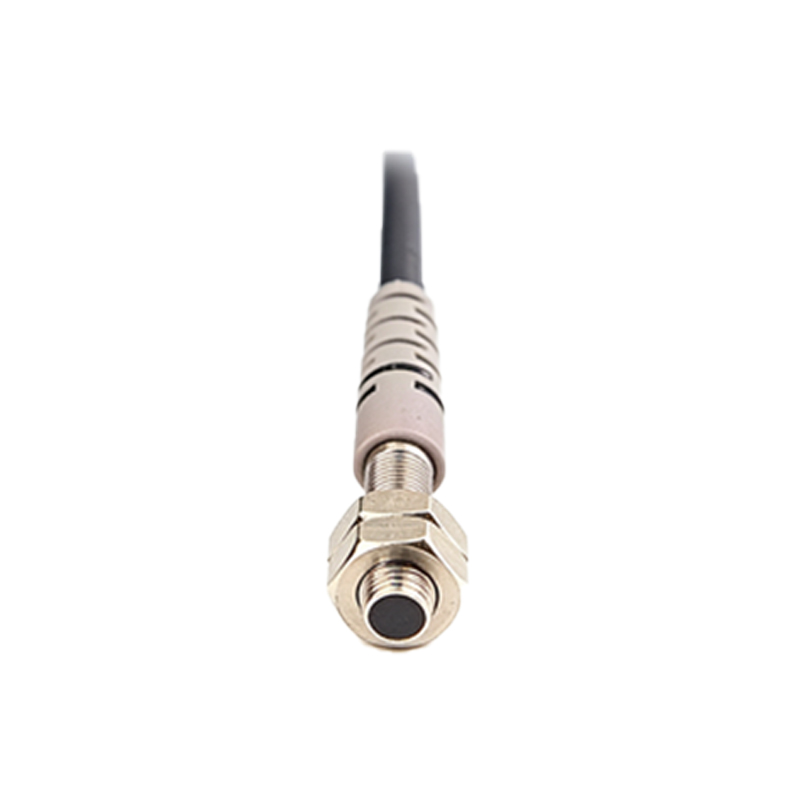
Huawei integrates advanced thermal management solutions into its photoelectric sensors to prevent overheating. The sensors are built with heat-resistant components and efficient circuit layouts that reduce energy loss. For instance, many Huawei models use pulse modulation techniques to limit the average current, thereby lowering heat output. Additionally, the housing designs often include fins or vents to enhance air circulation. Compliance with international standards, such as IP ratings for dust and water resistance, also ensures that sensors can withstand harsh conditions without compromising thermal performance.
Common Scenarios and User Experiences
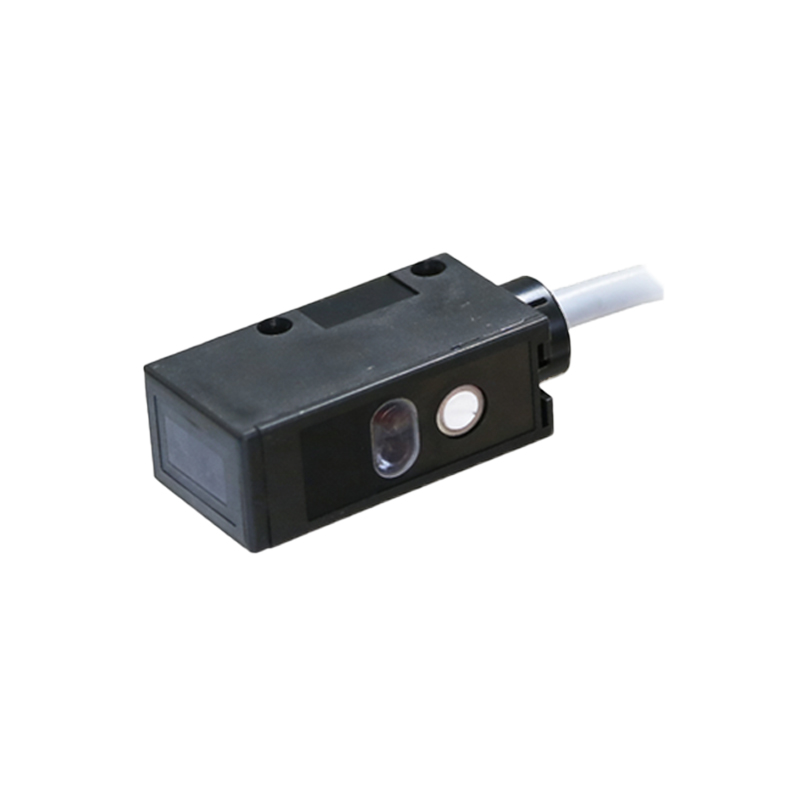
In real-world applications, Huawei photoelectric sensors are deployed in diverse settings, from manufacturing lines to smart infrastructure. User feedback generally indicates that overheating is rare when sensors are used within specified parameters. For example, in a typical factory setup with moderate temperatures, sensors operate stably without significant heat issues. However, in extreme cases, such as prolonged use in direct sunlight or near heat sources, some warming might occur. Huawei provides guidelines in product manuals to avoid such scenarios, recommending proper installation and regular maintenance to ensure optimal performance.
Comparing with Industry Standards
When compared to other brands in the market, Huawei photoelectric sensors exhibit similar or better thermal characteristics. Industry standards, like those set by IEC or UL, define safe operating temperature ranges, usually between -25°C to 70°C for industrial sensors. Huawei's products typically meet or exceed these limits, with some models featuring built-in temperature sensors that trigger alarms or shutdowns if thresholds are exceeded. This proactive approach helps prevent damage from overheating, aligning with best practices in the electrical engineering field.
Maintenance and Troubleshooting Tips
To minimize the risk of overheating in Huawei photoelectric sensors, regular maintenance is essential. Users should periodically clean the sensor surfaces to remove dust or debris that can insulate heat. Ensuring adequate spacing between sensors and other equipment can improve airflow. If a sensor feels unusually hot, checking the power supply for voltage fluctuations or inspecting for physical obstructions is advised. Huawei's support resources, including online forums and technical documentation, offer troubleshooting steps for heat-related issues, emphasizing the importance of following manufacturer recommendations.
Conclusion and Best Practices
In summary, Huawei photoelectric sensors are engineered to manage heat effectively under normal operating conditions. Overheating is not a common problem when sensors are installed and used correctly, thanks to Huawei's focus on thermal design and quality control. For optimal results, users should adhere to environmental guidelines, avoid overloading the sensors, and perform routine checks. By doing so, they can leverage the reliability and precision of Huawei's technology without concerns about excessive heat, ensuring long-term efficiency in automation systems.