The Foundation of Fair Competition
In the high-stakes arena of the Winter Olympics, where milliseconds and millimeters separate glory from disappointment, the demand for absolute precision is non-negotiable. Beyond the athletic prowess on display, a sophisticated network of technology operates silently to ensure fairness, accuracy, and safety. Among these critical technologies, photoelectric sensors have emerged as fundamental, yet often invisible, components. These devices, which detect the presence, absence, or distance of an object using a light transmitter and receiver, are integral to timing systems, safety mechanisms, and performance analytics. Their ability to function with incredible speed and reliability in harsh winter conditions—from the biting cold of alpine slopes to the humid environment of indoor ice rinks—makes them indispensable. This article explores the multifaceted roles these unsung heroes play in transforming the Winter Games into a spectacle of technological and athletic excellence.
Precision Timing at the Finish Line
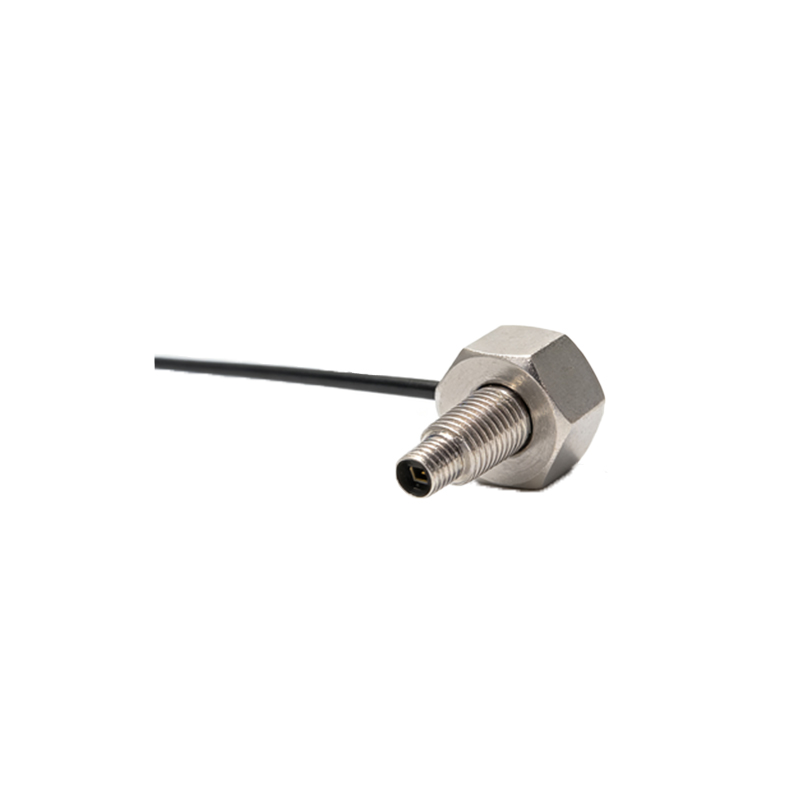
Perhaps the most visible application of photoelectric sensors is in finish-line timing systems. The iconic photo-finish moment relies on a sophisticated array of sensors. Modern systems utilize a combination of linear array cameras and laser photoelectric barriers. As an athlete crosses the finish line, they break an invisible beam of light emitted by a laser sensor. This event is registered with nanosecond precision, providing the primary electronic timing data. This technology is crucial in sports like speed skating, luge, and alpine skiing's speed events, where athletes are often separated by hundredths of a second. The sensors are designed to be immune to environmental interference such as snow, fog, or venue lighting, ensuring that the decisive moment is captured accurately every single time, leaving no room for human error or dispute.
Enhancing Safety on High-Speed Tracks
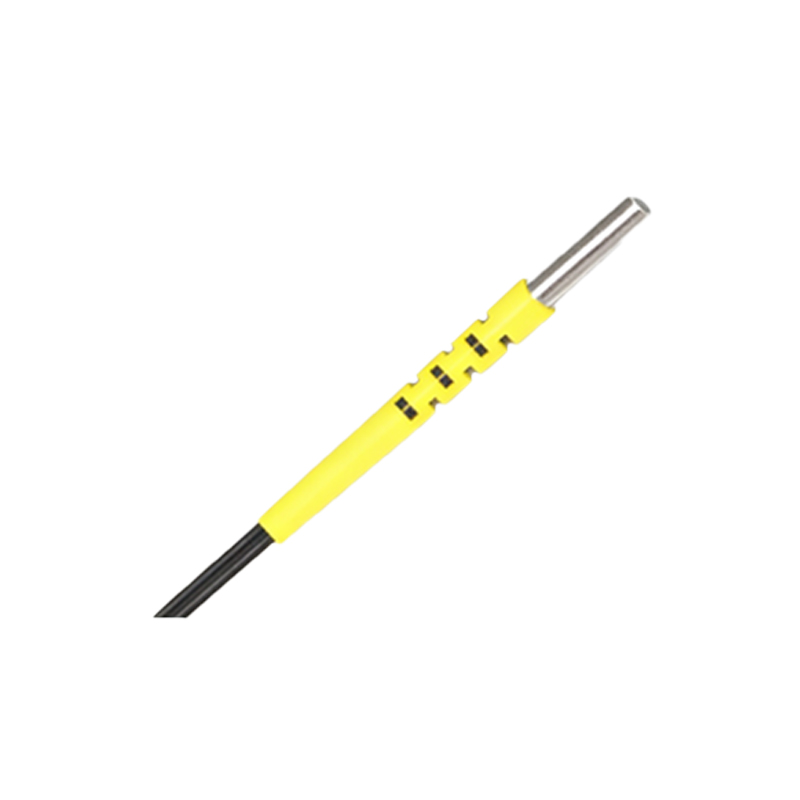
Safety is paramount in events like bobsleigh, skeleton, and luge, where athletes navigate icy channels at breathtaking speeds. Photoelectric sensors are deployed as key elements of the track safety systems. Networks of through-beam sensors are strategically placed along the track to monitor sled positions and velocities in real-time. If a sled fails to pass a sensor checkpoint within an expected time window, or if a sensor detects an abnormal event like a sled stopping or an athlete ejection, the system can instantly alert officials and trigger safety protocols. Furthermore, light curtains—arrays of photoelectric beams—are used at track entry and exit points to ensure the track is clear before a competitor is released, preventing catastrophic collisions.
Optimizing Equipment and Athlete Performance
Beyond officiating, photoelectric sensors are powerful tools for performance analysis. In ski jumping, for instance, arrays of sensors are used during training to precisely measure an athlete's take-off angle, speed, and body position as they leave the ramp. This data, collected via non-contact sensing, provides coaches and athletes with objective metrics to refine technique. Similarly, in figure skating and freestyle skiing, high-speed motion capture systems often rely on infrared photoelectric markers placed on an athlete's body or equipment. These systems track complex movements and rotations with extreme accuracy, allowing for biomechanical analysis that helps perfect jumps, spins, and aerial maneuvers, pushing the boundaries of human performance.
Ensuring Integrity in Curling and Ice Hockey
Even in strategic sports like curling, photoelectric technology plays a definitive role. The precise determination of which stone is closest to the button (the center of the house) can be subject to human judgment error. Advanced scoring systems now incorporate laser scanning sensors that create a detailed 3D map of the house area. These sensors measure the exact position of every stone non-invasively, providing officials with an irrefutable digital measurement to confirm calls. In ice hockey, goal-line technology utilizes high-speed cameras and infrared sensors to definitively determine whether the puck has completely crossed the goal line, eliminating controversies and ensuring the correct outcome of the game.
Operational Efficiency and Spectator Experience
The utility of photoelectric sensors extends to the operational backbone of the Games. They manage crowd flow by counting spectators through entrances using overhead sensors. In transportation, they facilitate the smooth operation of athlete and staff shuttles by controlling automated doors and monitoring vehicle presence. For broadcasters, sensors can trigger automated camera systems to follow the action seamlessly, such as tracking a skier down a slalom course. This behind-the-scenes automation, driven by reliable sensing, ensures the massive event operates smoothly, allowing the focus to remain squarely on the athletes and their extraordinary achievements.
The Future: Integration with IoT and AI
Looking ahead, the role of photoelectric sensors is set to become even more profound through integration with the Internet of Things (IoT) and Artificial Intelligence (AI). Networks of smart, interconnected sensors will provide richer, real-time data streams. Imagine AI systems analyzing combined data from timing sensors, safety sensors, and biometric monitors to predict potential equipment issues, optimize race schedules based on weather, or even provide instant, personalized feedback to athletes. The future Winter Olympics will likely see photoelectric sensors not just as isolated tools, but as the sensory nervous system of an intelligent, responsive, and even safer global sporting event.