Understanding Photoelectric Proximity Sensor Basics
Photoelectric proximity sensors are vital components in modern automation, utilizing a light emitter and receiver to detect the presence or absence of objects without physical contact. They operate primarily on three principles: through-beam, retro-reflective, and diffuse (proximity) sensing. In through-beam systems, the emitter and receiver are separate units; an object is detected when it interrupts the light beam. Retro-reflective sensors use a single unit with both emitter and receiver, relying on a reflector to bounce the light back; detection occurs when the beam is blocked. Diffuse sensors detect objects by measuring the light reflected directly from the target's surface. Understanding these fundamental operating modes is the first step in diagnosing any subsequent issues, as the nature of a problem often correlates with the specific sensing method employed.

Inconsistent or Erratic Detection Performance
One of the most frequent complaints involves sensors providing unreliable readings, such as false triggers or missed detections. This inconsistency often stems from environmental interference. Ambient light, particularly strong direct sunlight or strobe lighting from other equipment, can flood the receiver and mask the sensor's own signal. Electrical noise from nearby motors, variable frequency drives (VFDs), or welding equipment can also disrupt the sensor's internal circuitry. Solutions include using sensors with modulated LED light (which ignores constant ambient light), ensuring proper shielding and grounding of both the sensor and its cabling, and installing the sensor in a housing or shade to block extraneous light. For diffuse sensors, variations in the target's color, texture, or reflectivity can cause detection range fluctuations, necessitating careful setup and potential use of a background suppression model.
Reduced Sensing Range or Complete Failure
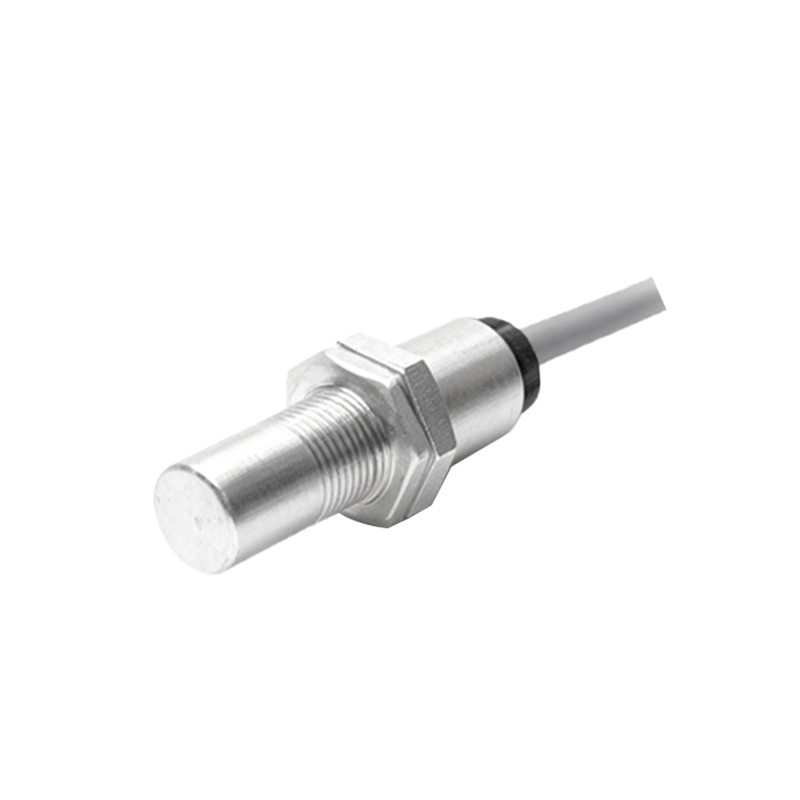
A gradual decrease in effective sensing distance or a total failure to detect is a common issue. The primary culprit is often contamination. Dust, oil, coolant mist, or other debris can accumulate on the sensor's lens, significantly attenuating the emitted light beam and reducing the strength of the return signal. Regular cleaning of the lens with appropriate solvents is essential. For harsh environments, selecting sensors with higher IP (Ingress Protection) ratings, such as IP67 or IP69K, and using models with air purge fittings can prevent buildup. Additionally, aging of the LED light source can lead to a gradual reduction in optical output over thousands of operating hours, eventually falling below the required threshold for reliable detection.
Alignment and Mechanical Mounting Problems
Especially critical for through-beam and retro-reflective types, precise optical alignment is paramount. Vibration from machinery can cause mounting brackets to loosen over time, leading to misalignment. Even a slight deviation can cause the beam to miss the receiver or reflector, resulting in intermittent or failed operation. Secure, rigid mounting using vibration-dampening materials is recommended. For retro-reflective sensors, issues can also arise from the reflector itself—it may become dirty, damaged, or misaligned. Using high-quality, properly sized reflectors and checking their condition is a key troubleshooting step. In diffuse sensing applications, ensuring the sensor is mounted at the correct angle and distance relative to the target path is crucial to avoid detection gaps.
Electrical and Wiring Faults
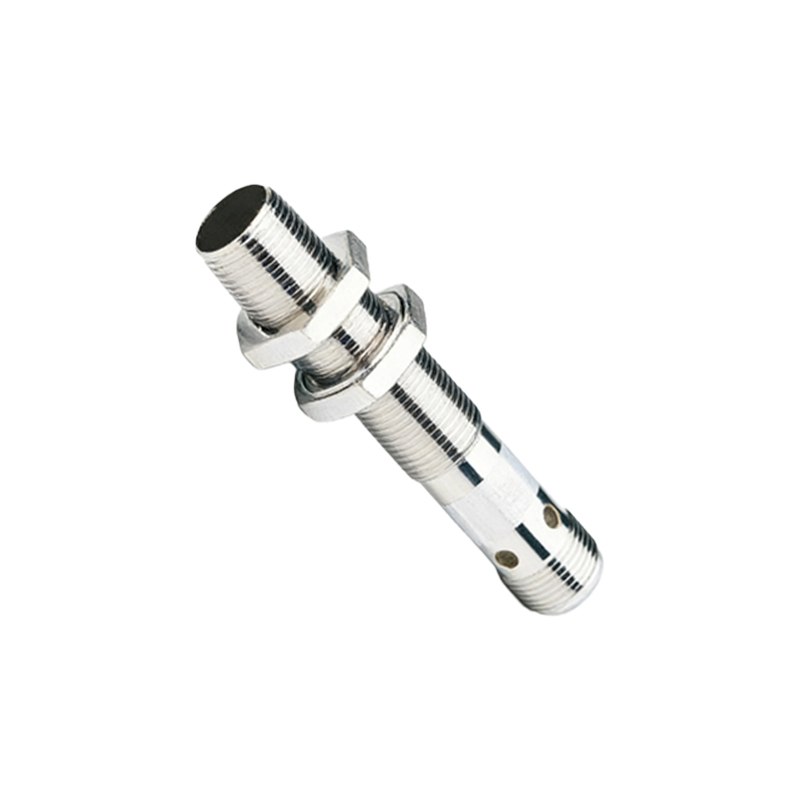
Many sensor failures are electrical rather than optical. Common problems include incorrect voltage supply, wiring errors (e.g., mixing up NPN and PNP output types with the controller), loose connections, and damaged cables. Overcurrent conditions, perhaps from a short circuit, can damage the sensor's output transistor. Always verify the supply voltage matches the sensor's specifications (e.g., 10-30V DC). Use a multimeter to check for voltage at the sensor terminals and to test the switching output under load. For sensors with built-in diagnostics or LED status indicators, these provide immediate clues: a steady output LED might indicate a wiring fault, while a flashing light could signal a problem like overload or short-circuit protection activation.
Incompatibility with Target Material or Color
Diffuse photoelectric sensors are highly sensitive to the reflectivity of the target material. A shiny metallic object may reflect light too efficiently, causing the sensor to detect it from a much greater distance than a dull black object, potentially leading to unwanted early triggering. Conversely, very dark, matte, or transparent objects (like clear glass or plastic) may reflect insufficient light to be detected at the required range. Selecting the right sensor technology is key. For challenging applications, background suppression sensors or convergent beam models can provide precise detection independent of color and reflectivity. For transparent objects, a through-beam sensor is often the most reliable choice.
Temperature and Environmental Extremes
Operating outside the specified temperature range is a common cause of premature failure or erratic behavior