Introduction to Proximity Switch Sensors
Proximity switch sensors are non-contact detection devices widely used in industrial automation. These sensors detect the presence or absence of an object without physical contact, relying on electromagnetic fields, infrared light, or ultrasonic waves. In Zhangjiakou, a city known for its growing industrial sector and renewable energy projects, proximity sensors play a crucial role in enhancing efficiency and safety. Their ability to operate in harsh environments—such as dust, moisture, or extreme temperatures—makes them ideal for local applications in manufacturing, energy, and transportation. As Zhangjiakou continues to develop its technological infrastructure, the adoption of these sensors supports smarter, more reliable operations across various industries.
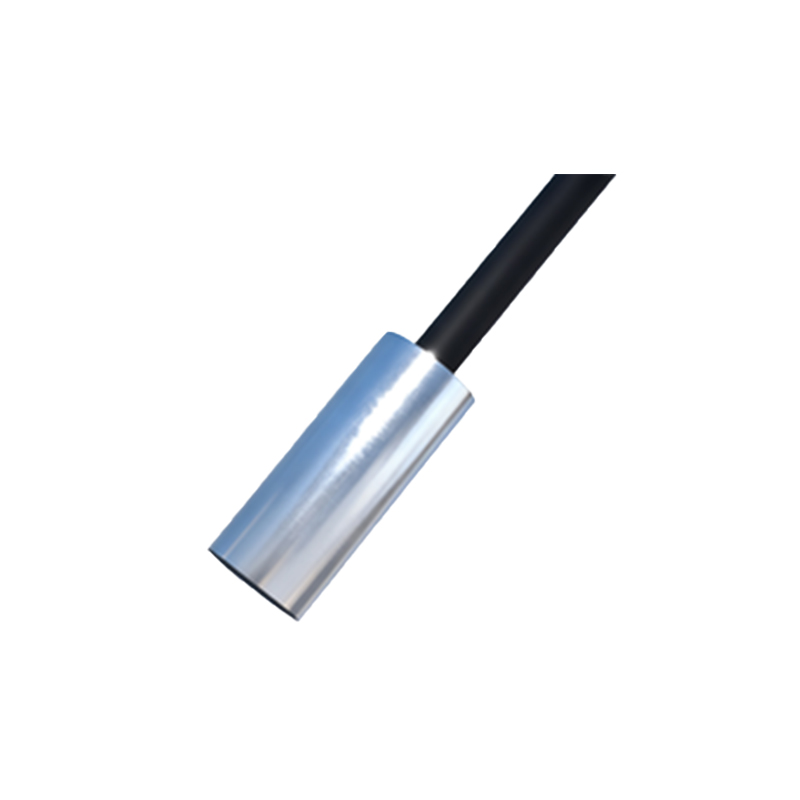
Types of Proximity Sensors Used in Zhangjiakou
In Zhangjiakou's industrial settings, several types of proximity sensors are commonly employed. Inductive sensors are popular for detecting metallic objects, making them suitable for machinery and automotive production lines. Capacitive sensors, which can detect both metallic and non-metallic materials, are used in food processing or packaging industries. Ultrasonic sensors offer long-range detection and are applied in logistics and warehouse automation. Additionally, photoelectric sensors, utilizing infrared beams, are effective for precise positioning in assembly lines. Each type is chosen based on factors like detection range, material compatibility, and environmental conditions, ensuring optimal performance in Zhangjiakou's diverse industrial landscape.
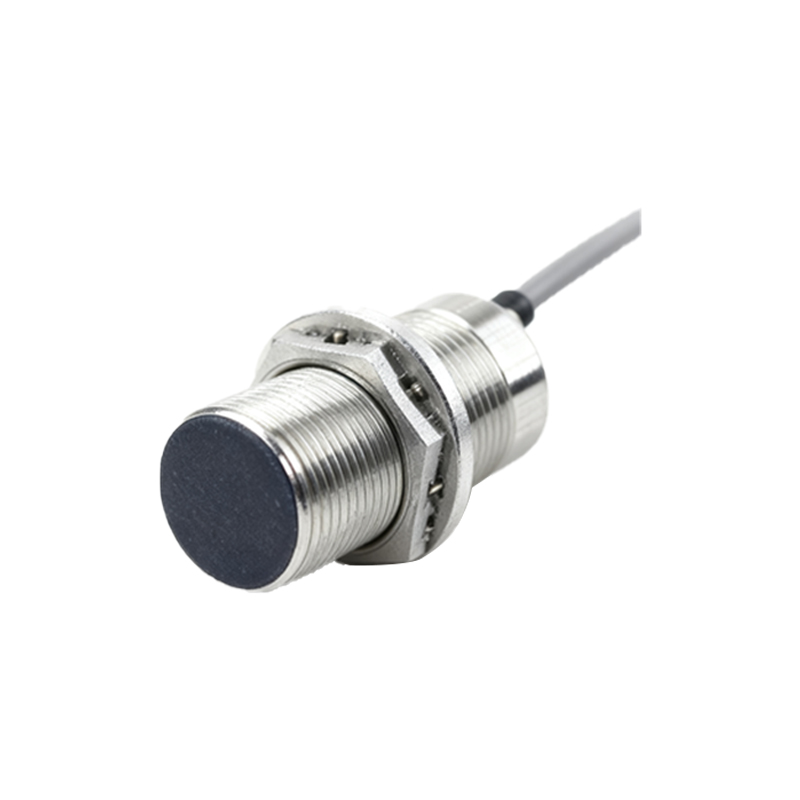
Key Applications in Zhangjiakou's Industries
Proximity switch sensors are integral to multiple sectors in Zhangjiakou. In manufacturing, they enable automated control of conveyor belts, robotic arms, and quality inspection systems, reducing manual labor and errors. The renewable energy sector, particularly wind and solar power plants, uses these sensors for monitoring equipment status and preventing failures. In transportation, sensors assist in traffic management and vehicle detection, improving safety on roads and in public transit systems. Furthermore, agriculture automation benefits from proximity sensors in irrigation and harvesting machinery, supporting Zhangjiakou's rural economy. These applications highlight how sensors contribute to productivity and innovation in the region.
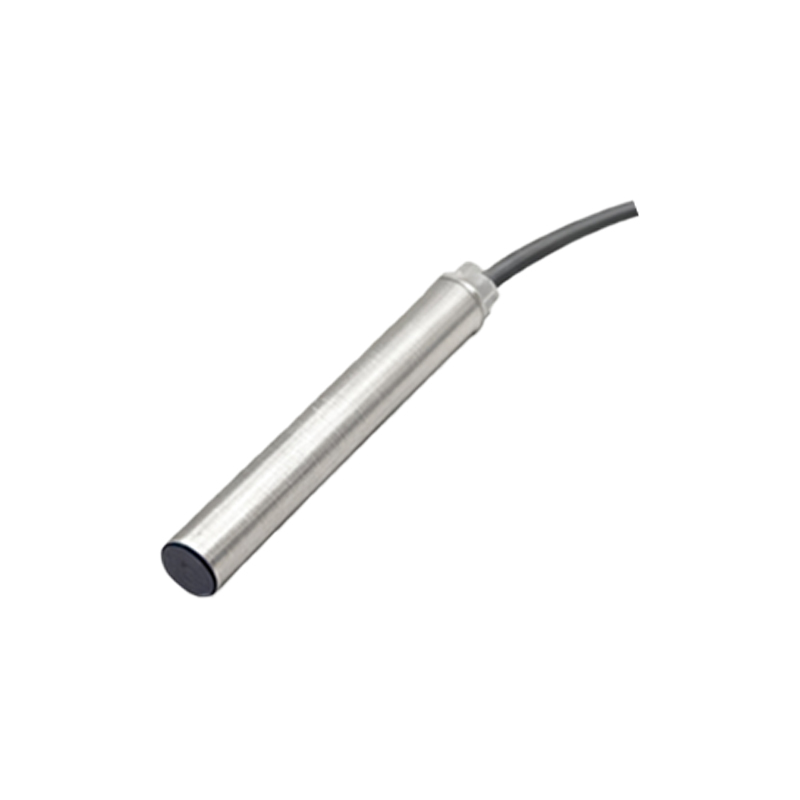
Advantages of Using Proximity Sensors
The deployment of proximity switch sensors in Zhangjiakou offers numerous advantages. First, their non-contact nature minimizes wear and tear, leading to lower maintenance costs and longer lifespan. Second, they provide high-speed detection, essential for real-time automation processes. Third, sensors enhance safety by preventing accidents in hazardous areas, such as near heavy machinery. Fourth, they improve accuracy and consistency in operations, reducing waste and increasing output. Finally, with advancements in IoT connectivity, sensors in Zhangjiakou can be integrated into smart systems for data analysis and predictive maintenance, aligning with global trends toward Industry 4.0.
Challenges and Solutions in Implementation
Despite their benefits, implementing proximity sensors in Zhangjiakou faces challenges. Harsh weather conditions, like cold winters, can affect sensor performance, requiring robust, weather-resistant designs. Electrical interference from industrial equipment may cause false readings, necessitating proper shielding and installation. Additionally, skilled personnel for installation and maintenance are needed to ensure optimal use. To address these issues, local industries collaborate with sensor manufacturers to develop customized solutions, such as temperature-resistant models and training programs for technicians. By overcoming these hurdles, Zhangjiakou can maximize the efficiency of its automation investments.
Future Trends and Opportunities
The future of proximity switch sensors in Zhangjiakou looks promising, driven by technological advancements. Innovations like miniaturization and enhanced sensitivity will expand their use in precision industries. Integration with AI and machine learning will enable predictive analytics, reducing downtime in factories and energy plants. As Zhangjiakou focuses on sustainable development, sensors will play a key role in optimizing resource use and reducing environmental impact. Opportunities also lie in expanding into emerging sectors, such as electric vehicle manufacturing and smart city projects. By embracing these trends, Zhangjiakou can strengthen its position as a hub for industrial automation in northern China.
Conclusion
Proximity switch sensors are vital components in Zhangjiakou's industrial ecosystem, offering reliability, efficiency, and safety. From manufacturing to renewable energy, their applications drive progress and competitiveness. While challenges exist, ongoing innovations and local adaptations ensure their continued relevance. As Zhangjiakou evolves, investing in advanced sensor technology will support sustainable growth and technological leadership. By leveraging these tools, industries in the region can achieve higher automation standards, contributing to economic development and a smarter future.