Introduction to Pump Stroke Monitoring
In the realm of industrial automation and fluid handling systems, the precise monitoring of pump operation is paramount for efficiency, safety, and predictive maintenance. Among the various technologies employed, proximity switch sensors have emerged as a robust and reliable solution for detecting pump strokes. These non-contact sensors provide critical data on the reciprocating motion of piston or plunger pumps, enabling accurate calculation of flow rates, detection of cavitation, and identification of irregular cycles that may signal impending mechanical failure. Their application transcends industries, from upstream oil and gas extraction to downstream chemical processing and water treatment facilities.
Operating Principle of Inductive Proximity Sensors
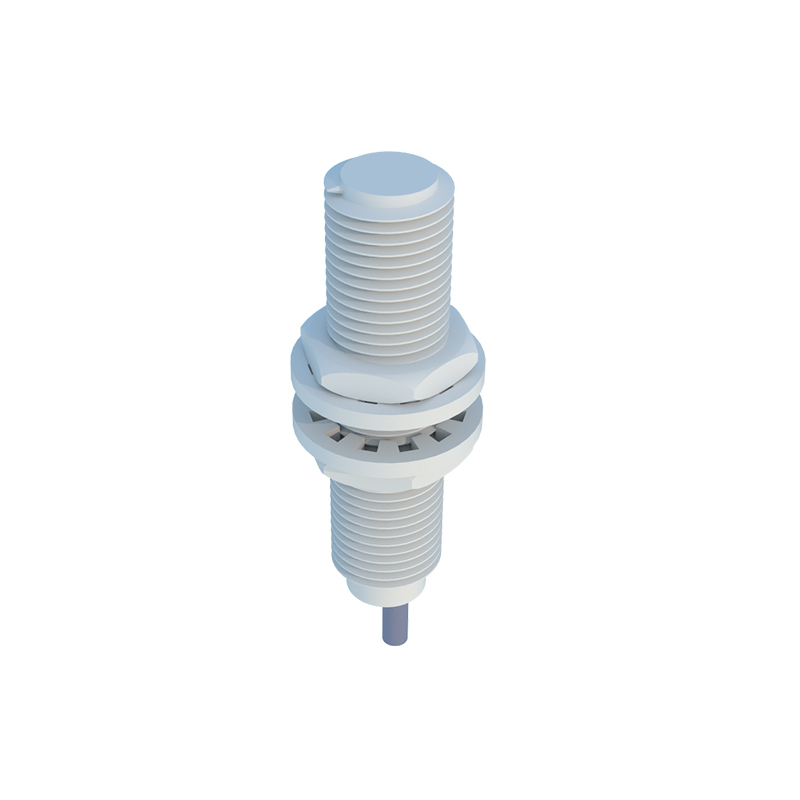
The most common type used for metallic pump components is the inductive proximity sensor. This device operates on the principle of electromagnetic induction. The sensor's oscillator generates a high-frequency electromagnetic field that emanates from its active face. When a metallic target, such as the pump's piston rod or a dedicated flag, enters this field, eddy currents are induced on the target's surface. These currents draw energy from the oscillator, resulting in a reduction of its amplitude. An integrated evaluation circuit detects this amplitude drop and triggers a solid-state switch, changing the sensor's output state. This rapid, wear-free switching action provides a precise digital signal corresponding to each pump stroke.
Key Selection Criteria for Pump Applications
Selecting the appropriate proximity sensor requires careful consideration of several technical parameters. The sensing distance, or nominal range, must be chosen to accommodate the maximum expected gap between the sensor and the target during operation, factoring in any mechanical tolerances or vibrations. The target material is crucial; standard inductive sensors are optimized for mild steel, with reduction factors applied for stainless steel, aluminum, or brass. Environmental conditions dictate the required ingress protection (IP) rating, with IP67 or IP69K being common for washdown or outdoor use. Additionally, factors like switching frequency (to match high-speed pump cycles), temperature rating, output type (PNP/NPN, NO/NC), and electrical connection must align with the control system's specifications.
Installation and Alignment Best Practices
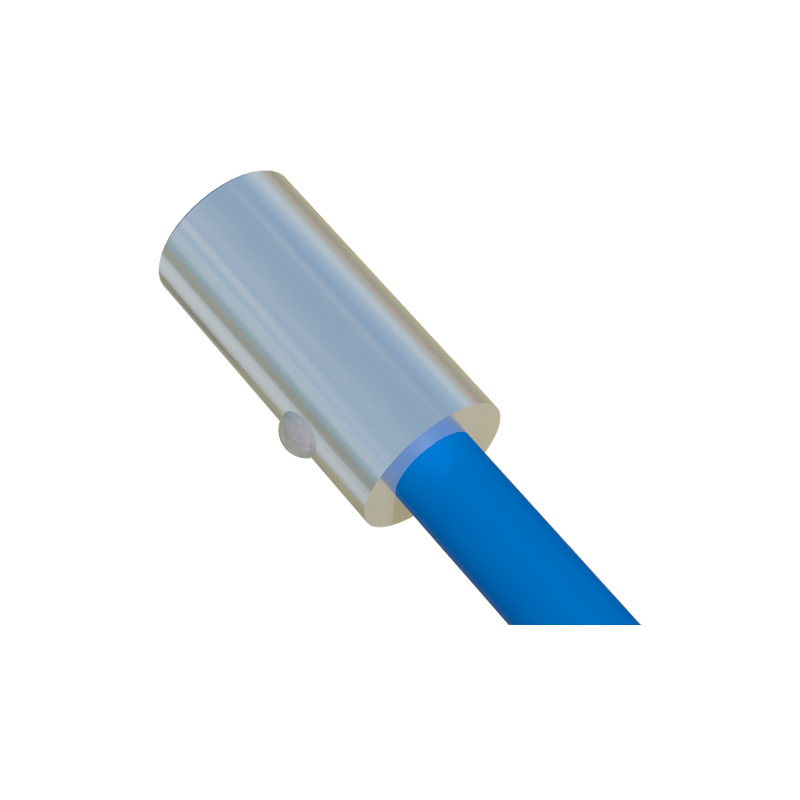
Proper installation is critical for reliable operation. The sensor must be securely mounted to resist vibration, which is inherent in pump operation. Alignment should ensure the target approaches the sensor's active face perpendicularly for maximum sensing reliability. For reciprocating rods, a non-ferrous mounting bracket is often recommended to prevent interference with the sensing field. Engineers must also maintain the specified lateral and axial offsets to prevent false triggers from adjacent metallic structures. Implementing shielding or using sensors with built-in immune designs can mitigate the effects of electromagnetic interference from pump motors or variable frequency drives.
Integration with Control and Monitoring Systems
The output signal from the proximity sensor is typically fed into a Programmable Logic Controller (PLC), a dedicated pump controller, or a supervisory control and data acquisition (SCADA) system. By counting the pulses per unit time, the system can calculate the pump's stroke rate. When combined with known displacement volume per stroke, this allows for real-time flow totalization. Advanced diagnostics involve monitoring the time interval between strokes. An unusually short interval may indicate valve leakage or cavitation, while a prolonged interval or missing pulse can signal a stuck valve, drive mechanism failure, or pump stall, triggering an immediate alarm.
Advantages Over Mechanical Limit Switches
Proximity sensors offer significant advantages over traditional mechanical limit switches in pump stroke detection. As non-contact devices, they are immune to the wear and tear associated with physical actuation, leading to vastly extended service life and reduced maintenance downtime. They provide much faster response times, capable of detecting strokes in high-speed pump applications. Their solid-state construction offers superior resistance to shock, vibration, and contamination from oil, grease, or process fluids. Furthermore, their repeatability and precision are far greater, ensuring consistent and accurate data for process control.
Troubleshooting Common Issues
Despite their robustness, issues can arise. Failure to detect strokes often stems from incorrect sensor-to-target distance, misalignment, or a buildup of conductive material (like metal shavings) on the sensor face. Erratic switching may be caused by electrical noise, an unstable power supply, or interference from an adjacent sensor. A systematic approach to troubleshooting involves verifying power supply voltage, checking the target's approach within the sensing range, inspecting for physical damage or contamination, and using an oscilloscope to examine the output signal for noise. Many modern sensors feature LED status indicators that greatly aid in diagnostics.
Future Trends and Smart Sensor Integration
The future of pump monitoring lies in the integration of smart proximity sensors with Industrial Internet of Things (IIoT) architectures. Sensors with