Introduction to Magnetic Proximity Sensors
Magnetic proximity sensors are non-contact devices that detect the presence or absence of a magnetic field, typically generated by a permanent magnet. They are widely used in industrial automation, automotive systems, and consumer electronics due to their reliability, durability, and ability to operate in harsh environments. These sensors function by responding to changes in magnetic flux, converting this interaction into an electrical signal that can be interpreted by control systems. Unlike mechanical switches, they have no moving parts, which minimizes wear and tear and extends their operational lifespan. The core principle involves sensing the magnetic field from a target, such as a magnet attached to a moving component, enabling precise detection without physical contact. This makes them ideal for applications requiring high-speed operation, contamination resistance, or maintenance-free performance.
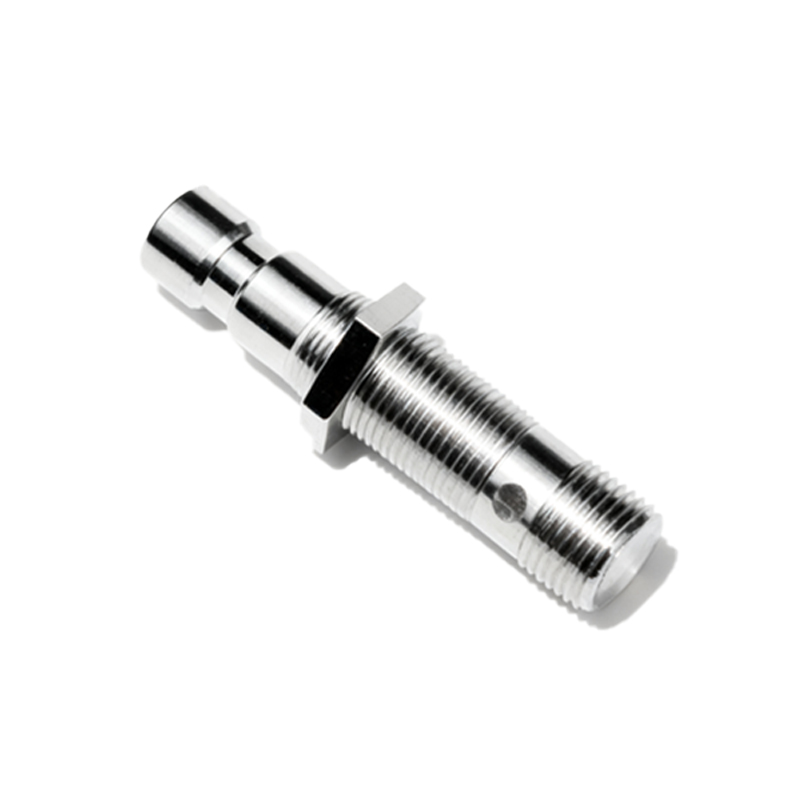
Reed Switch Sensors
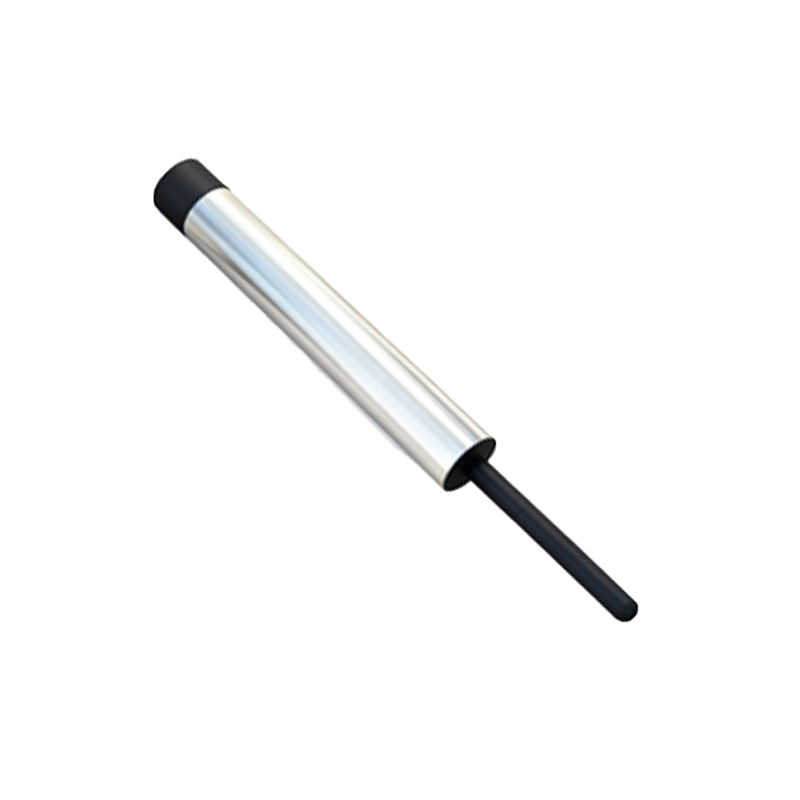
Reed switch sensors consist of two ferromagnetic reeds sealed within a glass tube filled with inert gas. When a magnetic field approaches, the reeds attract each other and close the circuit, allowing current to flow. They are known for their simplicity, low cost, and low power consumption. Common applications include door and window sensors in security systems, liquid level detection, and position sensing in automotive and industrial equipment. However, reed switches have limitations in switching speed and mechanical lifespan compared to solid-state alternatives. They can also be sensitive to shock and vibration, which may affect reliability in dynamic environments. Despite these drawbacks, their ease of use and affordability make them a popular choice for basic proximity sensing tasks.
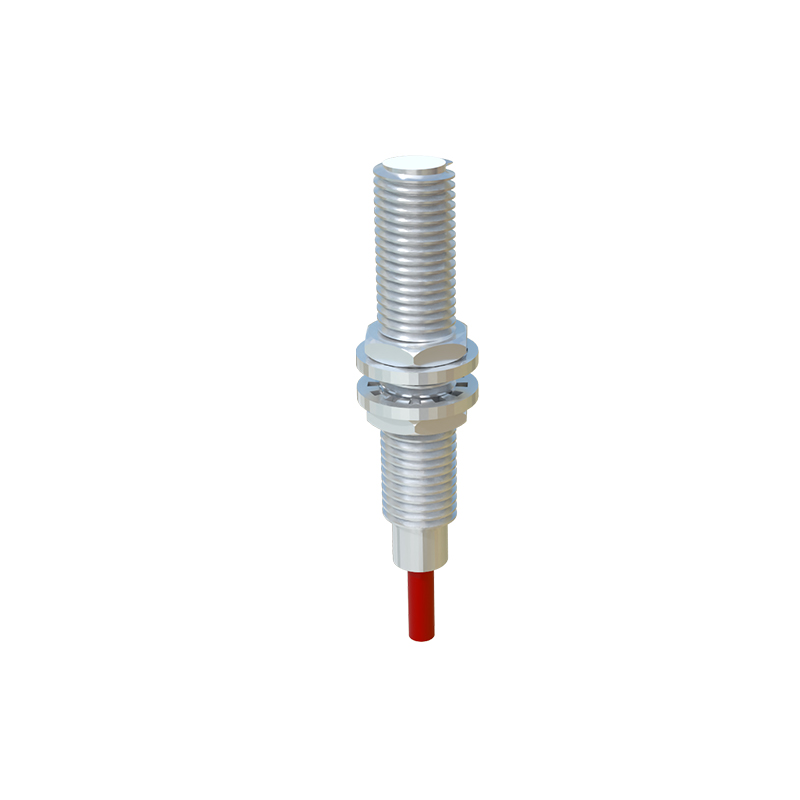
Hall Effect Sensors
Hall effect sensors operate based on the Hall effect, where a voltage difference is generated across a conductor when exposed to a magnetic field perpendicular to the current flow. These solid-state sensors offer high accuracy, fast response times, and excellent repeatability. They are commonly used in speed sensing for motors and wheels, position detection in robotics, and current sensing in power electronics. Hall effect sensors can be categorized into linear and digital types: linear versions provide an analog output proportional to magnetic field strength, while digital versions produce a binary signal (on/off). Their robustness against environmental factors like dust, moisture, and temperature variations makes them suitable for demanding industrial applications.
Magneto-Resistive Sensors
Magneto-resistive sensors utilize materials that change electrical resistance in response to a magnetic field. This technology includes anisotropic magneto-resistive (AMR) and giant magneto-resistive (GMR) sensors, which offer high sensitivity and resolution. They are capable of detecting both the presence and direction of magnetic fields, making them ideal for precise angular or linear position sensing in automotive steering systems, navigation devices, and medical equipment. Magneto-resistive sensors excel in environments with weak magnetic fields or where fine detail is required. Their low power consumption and compact size further enhance their applicability in modern electronic systems.
Inductive Proximity Sensors with Magnetic Cores
Inductive proximity sensors with magnetic cores combine inductive sensing principles with magnetic materials to detect metallic objects. They generate an electromagnetic field and sense changes caused by a target's proximity, often enhanced by a ferrite core to improve sensitivity and range. These sensors are primarily used for detecting ferrous metals in machinery, conveyor systems, and safety interlocks. While not purely magnetic sensors, their integration of magnetic components allows for reliable operation in industrial settings with high noise immunity. They are valued for their durability and ability to function in dirty or wet conditions without performance degradation.
Applications Across Industries
Magnetic proximity sensors find diverse applications across multiple sectors. In automotive industries, they monitor wheel speed for anti-lock braking systems (ABS) and detect gear positions in transmissions. Manufacturing lines use them for object counting, limit switching, and robotic arm positioning. Consumer electronics incorporate these sensors in smartphones for flip cover detection and in home appliances for door closure sensing. Their versatility stems from the ability to customize sensitivity, output type, and housing materials to suit specific needs. As automation and IoT technologies advance, the demand for efficient, non-contact sensing solutions continues to grow, driving innovation in magnetic sensor design.
Selection Criteria and Future Trends
Choosing the right magnetic proximity sensor depends on factors such as sensing distance, target material, environmental conditions, and output requirements. Key considerations include operating temperature range, response time, power supply, and packaging for installation ease. Emerging trends include the development of miniaturized sensors for wearable devices, enhanced integration with wireless communication for smart factories, and improved energy efficiency for battery-powered systems. Advances in materials science, such as the use of spintronics, may lead to next-generation sensors with higher sensitivity and lower costs. As industries prioritize automation and precision, magnetic proximity sensors will