Introduction to Photoelectric Spray Sensors
Photoelectric spray sensors represent a critical advancement in industrial automation and process control. These specialized devices are engineered to detect the presence, absence, or characteristics of a liquid spray, mist, or aerosol. Unlike standard photoelectric sensors that detect solid objects, spray sensors are finely tuned to interact with the unique light-scattering properties of dispersed liquid particles. Their operation is fundamental in applications ranging from precision coating and lubrication to cooling system monitoring and leak detection. The core principle relies on the modulation of a light beam—typically infrared, red, or laser—by the spray particles. This interaction is then converted into a reliable electrical signal, providing real-time feedback to control systems. Their robustness, non-contact nature, and high sensitivity make them indispensable in modern manufacturing, food processing, and pharmaceutical environments where liquid application must be precisely controlled and verified.
Core Operating Principles and Technology
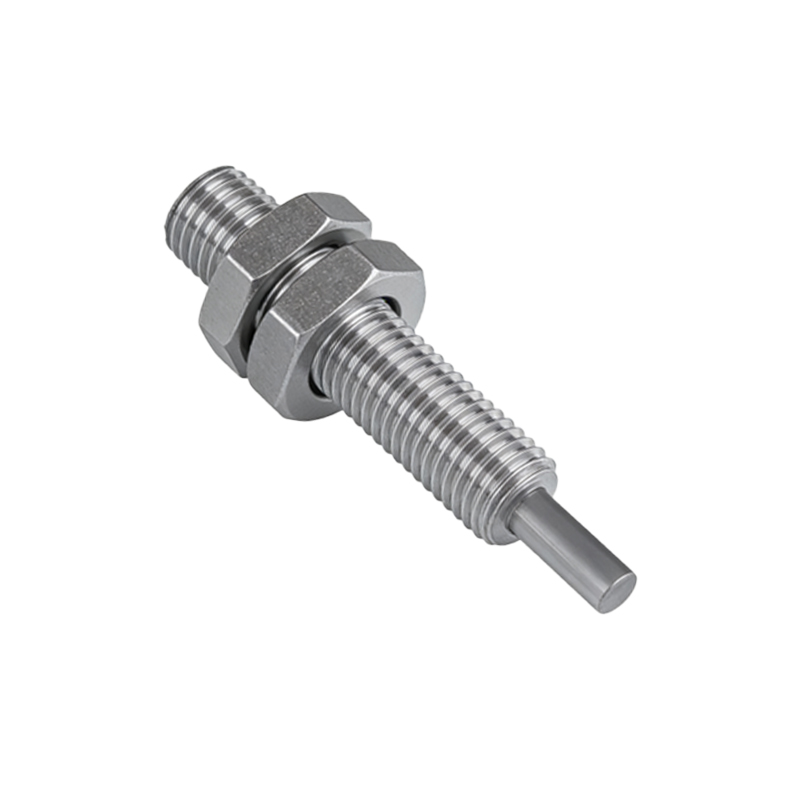
The functionality of a photoelectric spray sensor hinges on sophisticated optical-electronics. Most commonly, these sensors employ a through-beam or a diffuse reflective sensing mode. In a through-beam setup, a transmitter and receiver are positioned opposite each other. The spray passes between them, attenuating the light beam. The receiver measures this reduction in light intensity. Diffuse sensors house both emitter and receiver in a single housing. They detect light that is scattered back from the spray particles. Advanced models utilize modulated LED light sources to minimize interference from ambient light, ensuring stable operation even in challenging industrial settings. Key technological parameters include response time, sensing distance, and the minimum detectable particle size or spray density. Engineers must carefully select sensors based on the spray's opacity, droplet size, and the required sensitivity to distinguish between a nominal spray and a fault condition like a clogged nozzle.
Key Design Features and Specifications
Industrial-grade photoelectric spray sensors are built to withstand harsh conditions. Key design features include IP67 or higher ingress protection ratings, making them resistant to water jets and dust, which is crucial as they operate in wet environments. The housing is often constructed from chemical-resistant stainless steel or robust plastics. Optically, lenses may be coated to prevent fouling from liquid residue. From a specification standpoint, critical parameters are the light source type (e.g., 660nm red LED, 880nm infrared), sensing range, output type (PNP/NPN transistor, analog current/voltage, or IO-Link for digital communication), and supply voltage (typically 10-30V DC). The output signal can be a simple on/off switch or a proportional analog signal correlating to spray density. This allows for not just detection but also qualitative monitoring of the spray process, enabling predictive maintenance by trending density changes over time.
Primary Industrial Applications and Use Cases
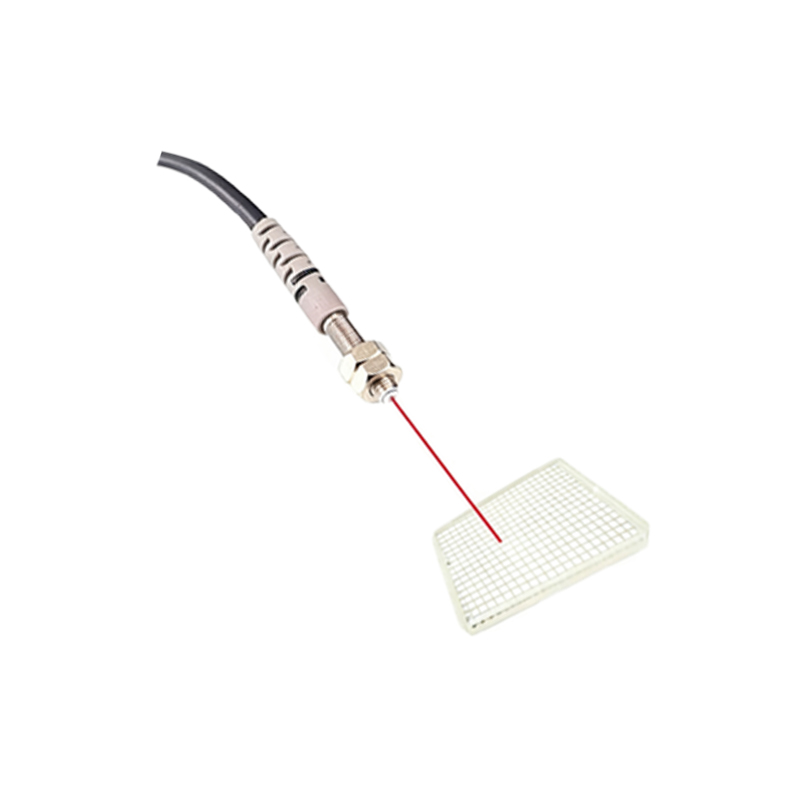
The applications for photoelectric spray sensors are vast and varied. In automotive manufacturing, they verify the application of adhesives, sealants, and anti-corrosion sprays on body panels and undercarriages. In the food and beverage industry, they ensure precise spraying of release agents on baking molds or the application of coatings on confectionery. Pharmaceutical packaging lines use them to confirm the sterilization spray in aseptic filling machines. Another critical use is in CNC machining and metalworking, where they monitor the flow of coolant and lubricant to tools and workpieces, preventing costly damage from dry running. In agricultural equipment and industrial cleaning systems, they confirm the operation of spray nozzles. Essentially, anywhere a controlled, verified liquid spray is integral to quality, safety, or efficiency, these sensors provide the essential verification.
Installation, Calibration, and Maintenance Best Practices
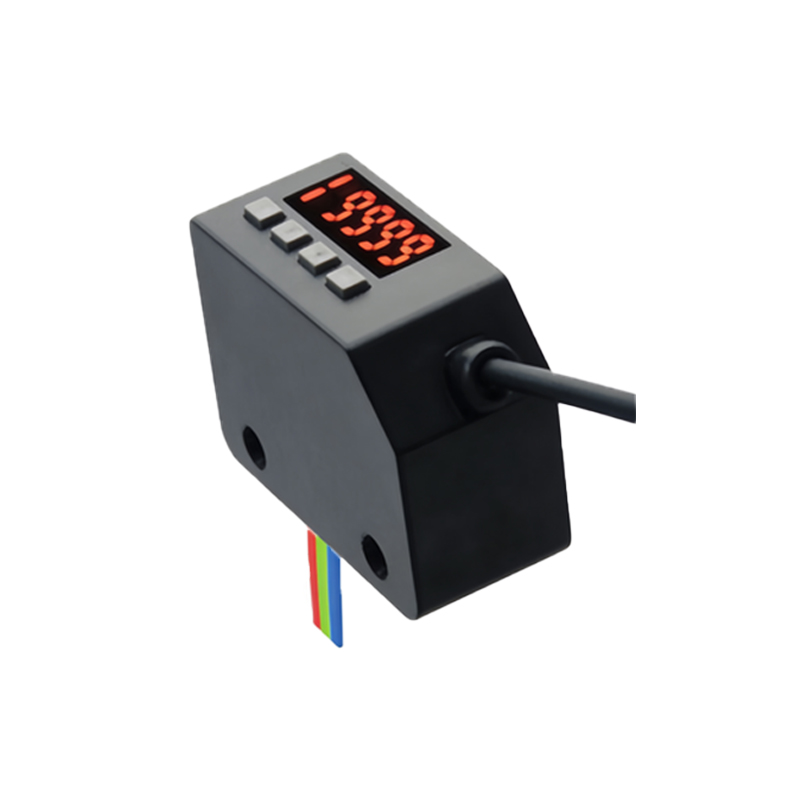
Correct installation is paramount for reliable sensor performance. The sensor must be positioned at an optimal distance and angle relative to the spray pattern, considering the cone angle and droplet trajectory. It should be placed where it samples a representative portion of the spray, avoiding areas of turbulence or splashing. Calibration involves setting the sensitivity threshold to reliably distinguish between "spray on" and "spray off" states, often using a potentiometer or via software. For analog sensors, scaling the output to the desired process variable is necessary. Regular maintenance includes visual inspection of the lens for buildup and cleaning with appropriate solvents. The alignment of through-beam sensors must be periodically checked to ensure the receiver is accurately targeted. Implementing sensors with built-in diagnostics, such as an LED status indicator or IO-Link functionality, significantly simplifies troubleshooting and preventive maintenance schedules.
Advantages Over Alternative Sensing Methods
Photoelectric spray sensors offer distinct advantages compared to other technologies like capacitive, ultrasonic, or flow sensors. Their primary benefit is non-contact sensing, which eliminates wear and contamination of the sensing element by the liquid itself. They provide extremely fast response times, often in the millisecond range, allowing for real-time control in high-speed processes. Their ability to detect very fine mists and low-density sprays is superior to many alternatives. While flow sensors measure volume in a pipe, photoelectric sensors confirm the spray's existence and characteristics at the point of application, which is often more critical for quality control. They are generally easier to install and integrate into existing control architectures (PLCs) than complex vision systems. However, their performance can be affected by extreme ambient light, very thick sprays, or heavy contamination on the lens, scenarios where alternative methods might be considered.
Future Trends and Technological Evolution
The future of photoelectric spray sensor technology is aligned with Industry 4.0 and smart manufacturing trends. The integration of advanced digital communication protocols like IO-Link is becoming standard. This allows for bidirectional data exchange, enabling remote parameter setting, advanced diagnostics, and the collection of detailed process data for analytics. Sensor fusion, combining photoelectric sensing with other principles like temperature sensing, is emerging for more comprehensive process monitoring. Miniaturization of components allows for smaller sensor designs that can fit into tighter spaces. Furthermore, advancements in LED and laser diode technology promise even greater sensing ranges, higher precision, and improved immunity to environmental interference. The development of "smart" sensors with onboard logic for edge computing will enable local decision-making, reducing the load on central controllers and enhancing system responsiveness and reliability.