Introduction to Photoelectric Sensing Technology
Photoelectric sensors are fundamental components in industrial automation and control systems. These devices operate by emitting a beam of light, typically from a light-emitting diode (LED) or a laser diode, and detecting changes in the received light signal. The core principle relies on the interaction between light and the target object. When the emitted light beam is interrupted, reflected, or refracted by an object, the sensor's receiver detects this change and converts it into an electrical signal. This signal is then processed to trigger a specific output, such as turning a machine on or off, counting items, or detecting positioning. The technology's versatility, speed, and reliability make it indispensable across numerous sectors, from manufacturing and packaging to automotive assembly and material handling. Unlike mechanical limit switches, photoelectric sensors offer non-contact detection, which eliminates wear and tear and allows for high-speed operation. Their ability to detect a wide variety of materials, including glass, metal, plastic, and liquids, further expands their utility. The evolution of photoelectric sensing has been marked by advancements in light source technology, receiver sensitivity, and integrated circuitry, leading to more compact, energy-efficient, and intelligent sensor solutions.
Core Operating Principles and Components
The functionality of a photoelectric sensor hinges on three primary elements: the emitter, the receiver, and the control circuitry. The emitter generates the light beam. Modern sensors predominantly use modulated LED light, often in the visible red, infrared, or laser spectrum. Modulation involves pulsing the light at a specific high frequency, which allows the sensor to distinguish its own signal from ambient light, significantly enhancing immunity to interference from factory lighting or sunlight. The receiver, usually a phototransistor or photodiode, is tuned to detect the specific modulated frequency of the emitter. When the light reaches the receiver, it generates a small electrical current. The control circuitry, often a microprocessor-based system, amplifies this signal and evaluates it against a preset threshold. Depending on the sensing mode—through-beam, retro-reflective, or diffuse—the logic determines the presence or absence of an object. For instance, in a through-beam setup, an object is detected when it blocks the direct beam from the separate emitter to the receiver. The sophistication of the control circuitry also enables features like background suppression, which allows the sensor to ignore objects beyond a set distance, and teach-in functionality for easy setup.
Primary Types and Sensing Modes
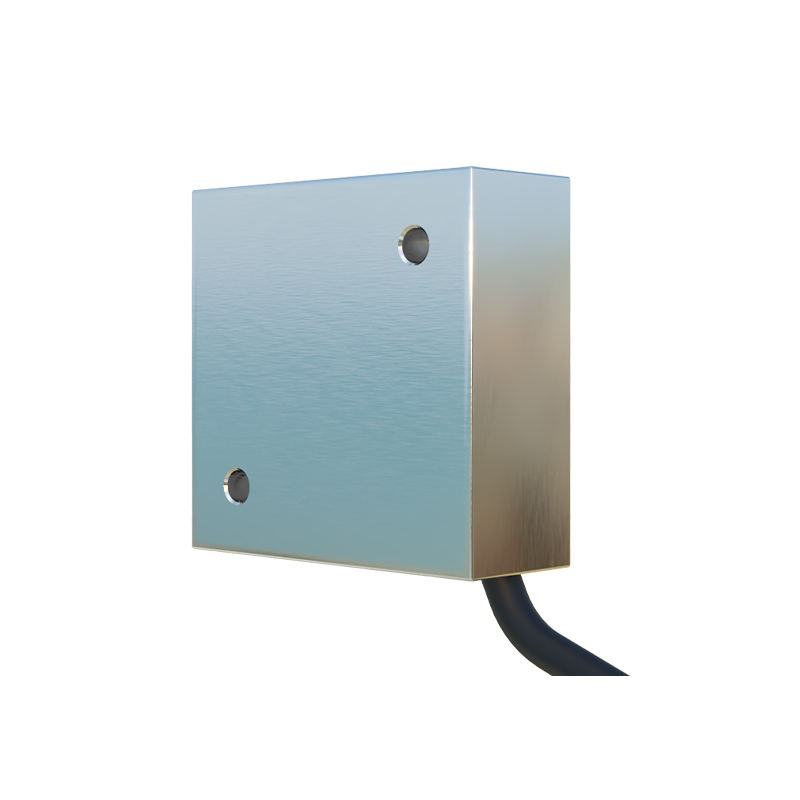
Photoelectric sensors are categorized based on their method of light transmission and reception. The through-beam sensor, also known as the opposed mode, consists of two separate units: an emitter and a receiver placed opposite each other. Detection occurs when an object breaks the light beam. This type offers the longest sensing range and highest reliability, as it is largely unaffected by the object's color, reflectivity, or surface angle. Retro-reflective sensors house both the emitter and receiver in a single housing. They rely on a reflector, typically a corner-cube prism, to bounce the light beam back to the receiver. An object is detected when it interrupts this return path. These sensors provide a good balance of range and convenience, avoiding the need to wire two separate units. Diffuse or proximity sensors also combine the emitter and receiver. They detect an object when the emitted light reflects off the object's surface back to the receiver. The sensing distance depends heavily on the object's size, color, and texture. Advanced versions, like background suppression and convergent beam sensors, use triangulation principles to precisely define a sensing window, ignoring reflections from surfaces beyond the target.
Key Selection Criteria for Industrial Applications
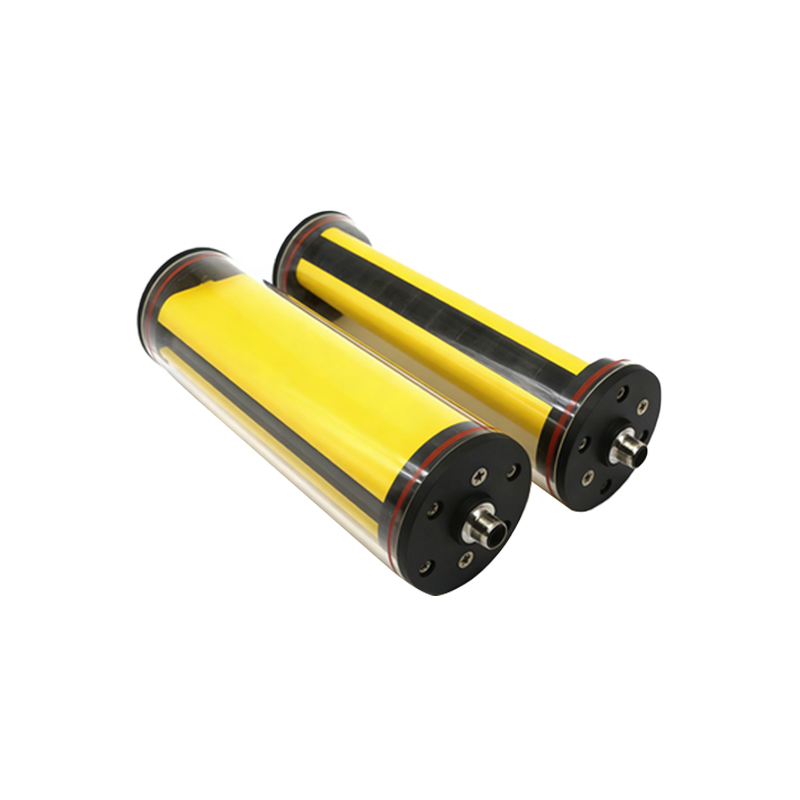
Selecting the appropriate photoelectric sensor requires a careful analysis of the application's specific demands. The sensing range is a primary consideration; through-beam sensors excel for long ranges, while diffuse sensors are suited for shorter distances. The physical characteristics of the target object—its size, material, color, and surface finish—directly influence the choice. A glossy, light-colored object reflects light well, whereas a dark, matte, or transparent object may require a sensor with a focused beam or a specific wavelength, like a blue-light sensor for transparent plastic detection. The operating environment presents another critical factor. Sensors in dusty, humid, or washdown areas require high Ingress Protection (IP) ratings, such as IP67 or IP69K. Areas with heavy vibration or potential for physical impact need robust, metal-housed sensors. Electrical requirements include the supply voltage (e.g., 10-30V DC) and the output type, typically a discrete PNP or NPN transistor output for connecting to a PLC. Response time is vital for high-speed production lines, where microseconds can matter. Finally, features like built-in diagnostics via LED indicators, IO-Link communication for smart factory integration, and adjustable sensitivity can greatly enhance system performance and maintenance.
Advanced Features and Smart Sensor Integration
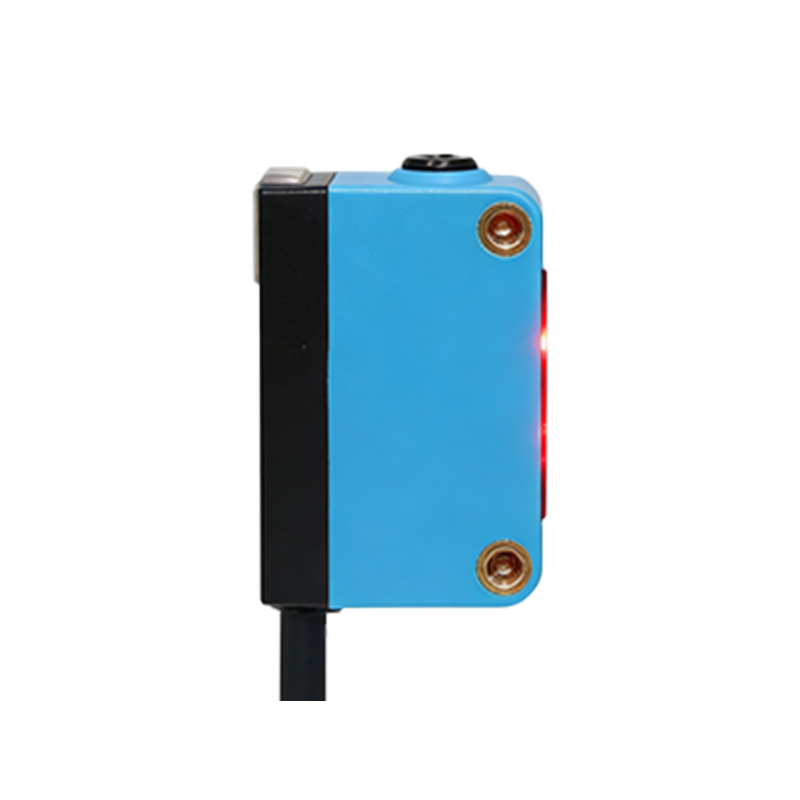
The frontier of photoelectric sensing is defined by intelligence and connectivity. Modern sensors incorporate microprocessors that enable advanced functionalities beyond simple on/off detection. Analog output sensors provide a continuous signal proportional to the received light intensity or distance, useful for tasks like edge guiding or tension control. Distance-measuring sensors use time-of-flight or triangulation principles to provide precise positional data. The integration of IO-Link, a point-to-point serial communication protocol, has been a game-changer. An IO-Link sensor is not just a switch; it becomes a data source. It can transmit detailed process data (e.g., signal strength, internal temperature), receive parameter changes on-the-fly from the controller, and store device identification and configuration data, simplifying replacement and reducing downtime. This aligns perfectly with Industry 4.0 and IIoT (Industrial Internet of Things) initiatives, where sensor data feeds into higher-level systems for predictive maintenance, process optimization, and data analytics. Furthermore, innovations in light source technology, such as the use of Class 1 laser light for extremely precise detection or polarized light for ignoring false reflections from shiny surfaces, continue to push the boundaries of what is possible.
Common Applications Across Industries
The application spectrum for photoelectric sensors is remarkably broad. In packaging machinery, they are used for label detection, cap placement verification, and product counting on high-speed conveyors. The automotive industry employs them for robot guidance, part presence checking in assembly jigs, and detecting vehicle position on production lines. In the food and beverage sector, sensors with hygienic designs detect fill levels in bottles, control packaging film feed, and ensure proper case packing. Material handling systems rely on them for palletizing, warehouse automation (e.g., detecting parcels on sorters), and break-beam safety curtains for personnel protection. They are crucial in electronics manufacturing for PCB board positioning and component insertion verification. Even in challenging environments like lumber mills or metal stamping plants, specialized heavy-duty sensors perform tasks like detecting log position or monitoring sheet metal feed. Their non-contact nature makes them ideal for detecting fragile items or operating in sterile environments. The constant drive for higher efficiency, quality control, and automation ensures that photoelectric sensors will remain a cornerstone technology in industrial sensing.