Understanding Capacitive Proximity Sensing Technology
Capacitive proximity sensors operate on a fundamental principle of physics: the ability to detect changes in capacitance. At their core, these sensors consist of an electrode that forms one plate of a capacitor, with the target object acting as the other plate. An oscillator circuit generates an electrostatic field emanating from the sensing face. When a target enters this field, it alters the dielectric constant and the capacitance of the system. This change is measured by the sensor's internal circuitry, which then triggers a switching output. Unlike inductive sensors that only detect metals, capacitive sensors can detect a wide range of materials, including liquids, powders, plastics, and wood, making them exceptionally versatile. Their sensitivity is adjustable, allowing engineers to fine-tune the detection threshold to ignore certain materials or container walls, a critical feature in complex industrial settings.
The Challenge and Design of High-Temperature Operation
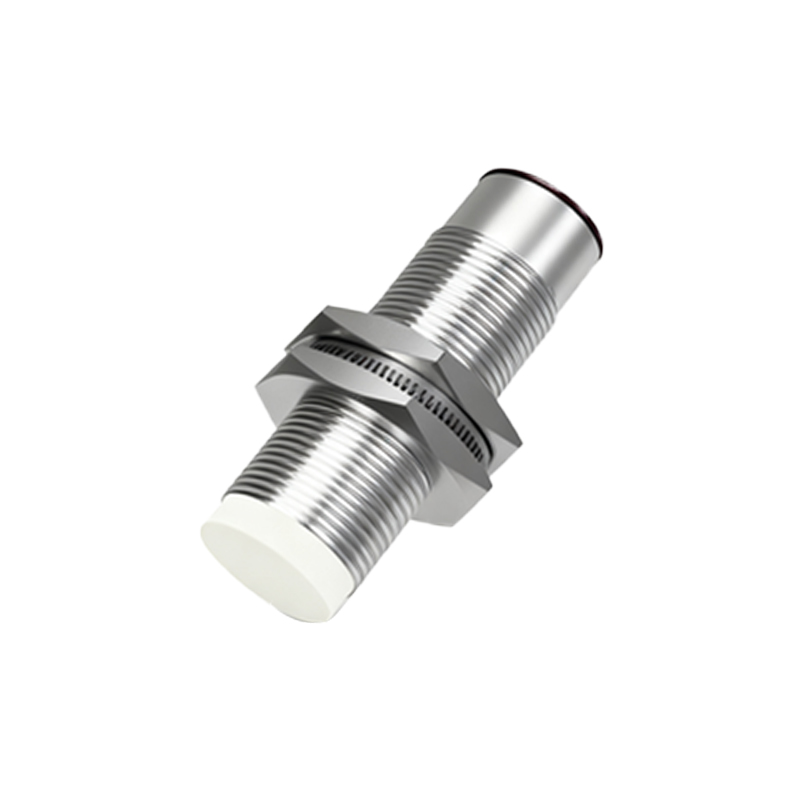
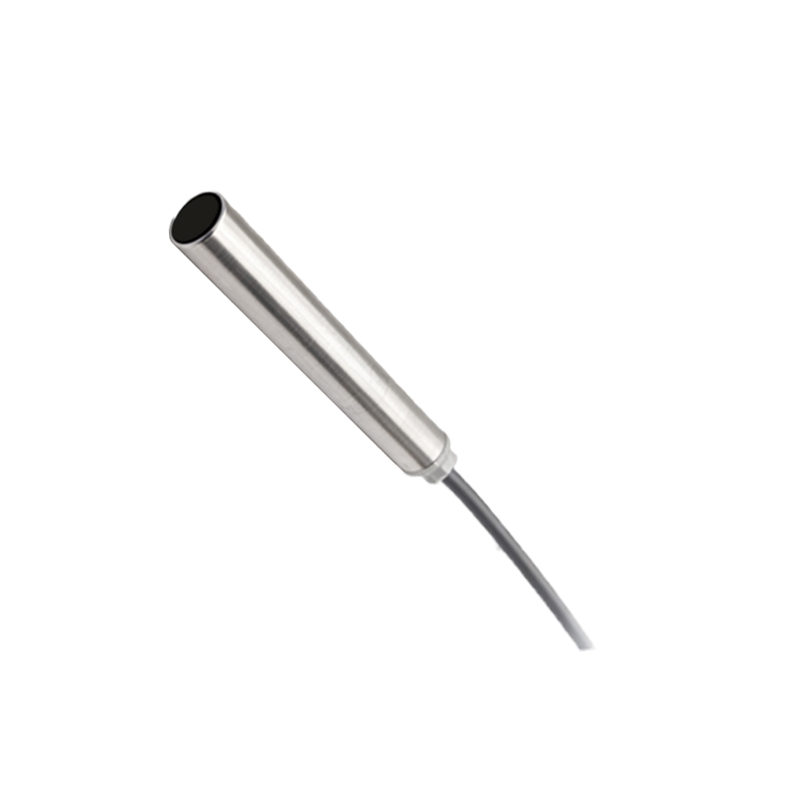
Standard capacitive sensors typically have operational temperature limits around 70°C. High-temperature variants are engineered to withstand ambient temperatures often exceeding 120°C, with some specialized models rated for 200°C or more. This capability is not trivial and requires meticulous design considerations. Key components must be selected for thermal stability. This includes using high-temperature solders, ceramic or PEEK housings instead of standard plastics, and specialized, thermally stable dielectric materials within the sensing element. The integrated circuit (IC) itself must be a high-temperature grade component. Furthermore, the mechanical design must account for differential thermal expansion between materials to prevent cracking or seal failure. Robust, often metal, housings with high IP ratings (e.g., IP67, IP69K) are standard to protect the sensitive internals from both heat and environmental contaminants like dust and washdown fluids.
Critical Material and Component Selection
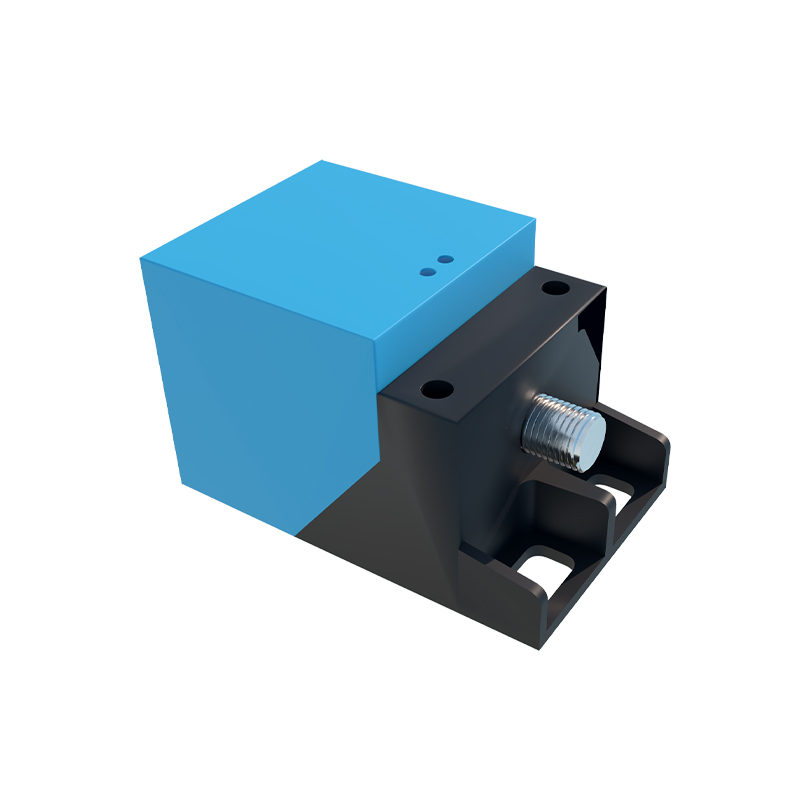
The longevity and reliability of a high-temperature capacitive sensor hinge on its material science. The sensing face is frequently made from advanced polymers like PPS (Polyphenylene Sulfide) or PEEK (Polyether Ether Ketone), which maintain structural integrity and dielectric properties under thermal stress. The housing might be constructed from stainless steel (e.g., V4A/AISI 316) or nickel-plated brass for corrosion resistance in harsh, hot environments. Internally, wire insulation is upgraded from standard PVC to PTFE (Teflon) or ceramic fiber. Connectors and cabling are equally critical; they must be rated for continuous high-temperature exposure to prevent insulation breakdown, which is a common point of failure. The choice of potting compound—used to protect the electronics from moisture and vibration—is also specialized, requiring a silicone or epoxy formulation that remains flexible and non-conductive across the entire temperature range.
Primary Industrial Applications and Use Cases
High-temperature capacitive proximity sensors find indispensable roles in industries where processes inherently generate heat. In automotive manufacturing, they are used near welding robots, paint drying ovens, and engine block machining lines. The food and beverage industry employs them in retort sterilization processes, baking ovens, and pasteurization units to detect product levels or presence through container walls. In plastics and rubber manufacturing, they monitor material presence in hot extruders and molding machines. Another significant application is in renewable energy, particularly in solar panel production, where they detect silicon wafers or glass panels through high-temperature curing furnaces. Their ability to detect non-metals makes them ideal for monitoring levels of hot liquids, grains, or powders in silos and hoppers subject to solar heating or internal process heat.
Installation and Calibration Best Practices
Proper installation is paramount for optimal performance and sensor life in high-temperature environments. A fundamental rule is to ensure the sensor body is rated for the ambient temperature, not just the temperature of the target. Adequate thermal isolation, using spacers or mounting brackets, can sometimes protect the sensor from direct radiant heat from an oven or machine. Calibration, or sensitivity adjustment, is more critical than with standard sensors. Engineers must set the sensitivity with the target material at its normal operating temperature, as the material's dielectric properties can change with heat. It is also crucial to account for and minimize the influence of "false" targets, such as conductive buildup on the sensor face or nearby moving machinery, by carefully adjusting the sensing range and utilizing the sensor's built-in hysteresis.
Advantages Over Alternative Sensing Methods
In high-temperature zones, the alternatives to capacitive sensing are often limited. Mechanical limit switches have moving parts that can fail under thermal cycling. Optical sensors can be blinded by steam, smoke, or thermal radiation, and their lenses can fog or degrade. Inductive sensors are limited to metals. High-temperature capacitive sensors offer a contactless, solid-state solution with no