Introduction to E3T Photoelectric Sensors
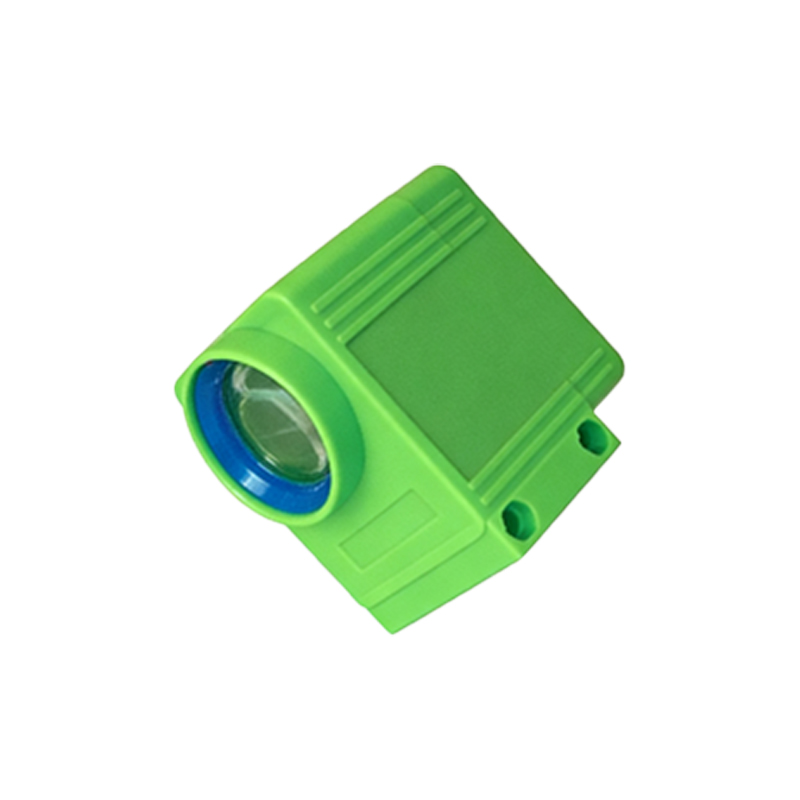
E3T photoelectric sensors are a prominent series within the Omron Electronics portfolio, renowned for their reliability and precision in industrial automation. These sensors operate on the fundamental principle of converting light signals into electrical signals to detect the presence, absence, or distance of an object. The "E3T" designation signifies a compact, standardized form factor with robust performance characteristics. They are engineered to deliver consistent operation in challenging environments, featuring high environmental resistance to factors like dust, water, and vibration. Their primary function is non-contact detection, making them indispensable for applications where physical contact with the target object is undesirable or impractical. The versatility of the E3T series allows for integration into diverse systems, from packaging and material handling to assembly and inspection lines.
Core Operating Principles and Sensing Methods
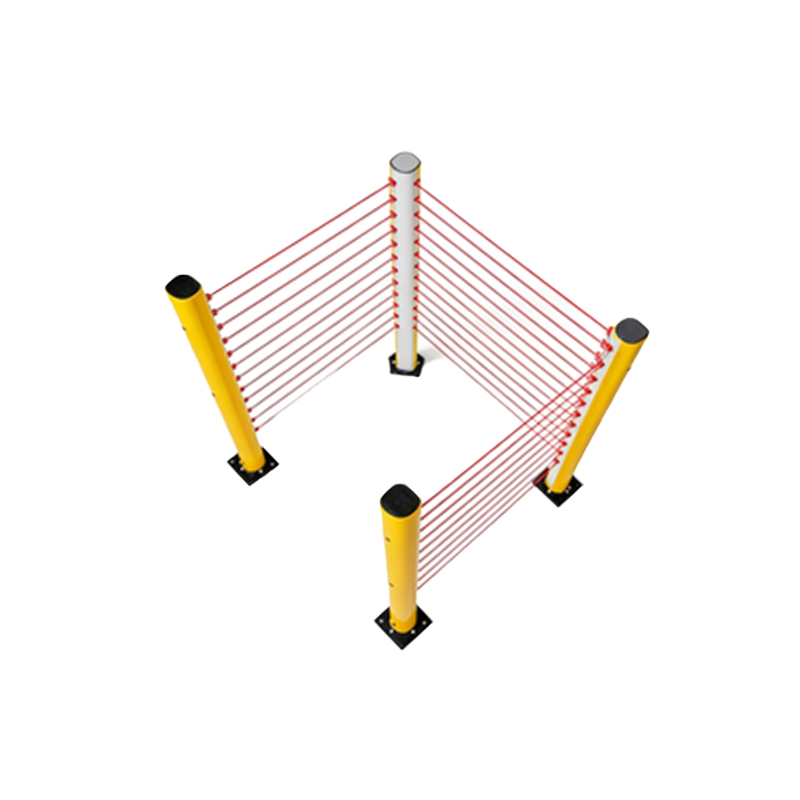
The functionality of E3T sensors is based on three primary sensing methods: through-beam, retro-reflective, and diffuse-reflective. Through-beam sensors consist of separate emitter and receiver units. The emitter projects a light beam directly to the receiver. An object is detected when it interrupts this beam. This method offers the longest sensing distance and highest reliability, as it is largely unaffected by the object's color, texture, or reflectivity. Retro-reflective sensors house both emitter and receiver in a single housing. They detect an object when it blocks the light beam projected onto a reflector, which bounces the light back to the receiver. A polarizing filter is often used to prevent false triggers from shiny objects. Diffuse-reflective sensors, also with a combined emitter and receiver, detect objects based on the light reflected directly from the object's surface. Sensing distance is influenced by the object's color, size, and surface properties, making this method suitable for proximity detection.
Key Technical Specifications and Selection Criteria
Selecting the correct E3T model requires careful analysis of technical parameters. Key specifications include sensing distance, light source, output configuration, and environmental ratings. Sensing distance varies significantly between models and sensing methods; for example, a through-beam E3T may offer a range of several meters, while a diffuse type might be limited to tens of centimeters. The light source is typically a visible red LED or infrared LED, with infrared being less susceptible to ambient light interference. Output configurations include NPN (sinking) and PNP (sourcing) transistor outputs, as well as analog current/voltage outputs for distance measurement, allowing compatibility with different PLC (Programmable Logic Controller) systems. Critical environmental ratings are Ingress Protection (IP) codes like IP67, indicating dust-tight and waterproof capabilities, and NEMA ratings for industrial durability. Response time, typically in milliseconds, is vital for high-speed applications.
Installation, Alignment, and Calibration Best Practices
Proper installation is paramount for optimal sensor performance. For through-beam sensors, precise alignment of the emitter and receiver is crucial. Mounting on stable surfaces using brackets minimizes vibration-induced misalignment. The optical axes must be parallel. For retro-reflective sensors, the reflector must be positioned squarely within the sensor's field of view. Diffuse sensors should be installed at the recommended distance from the target, considering its reflectivity. Many E3T sensors feature a stable operation indicator (usually an LED) that signals correct alignment and detection. Calibration often involves adjusting the sensitivity potentiometer to set the detection threshold, ensuring the sensor reliably detects the desired object while ignoring background interference. Regular cleaning of lenses and reflectors prevents performance degradation from dust or oil accumulation.
Common Industrial Applications and Use Cases
E3T photoelectric sensors find extensive use across manufacturing and logistics. In packaging machinery, they detect the presence of boxes on a conveyor to trigger labeling or sealing operations. In automated assembly, they verify the correct placement of components before a robotic arm proceeds to the next step. They are used for counting objects on high-speed production lines, such as bottles or pills. In material handling, they provide position feedback for stack height detection in palletizing systems. Their robust design makes them suitable for harsh environments like automotive plants, where they detect metal parts on paint shop conveyors. The analog output variants enable precise tasks like edge guiding in web processing or diameter control in roll handling.
Troubleshooting and Maintenance Guidelines
Even with high reliability, sensors may encounter issues. Common problems include failure to detect, intermittent operation, or false triggering. A systematic troubleshooting approach begins with checking the power supply voltage and wiring connections. Observing the operation indicator LED provides immediate diagnostic clues. Failure to detect can stem from misalignment, dirty optics, insufficient reflectivity of the target, or the target being outside the sensing range. False triggers are often caused by external light sources (sunlight, welding arcs) or reflective backgrounds. Using sensors with modulated light (pulsed LED) and a corresponding receiver tuned to that frequency effectively rejects ambient light. Preventive maintenance includes periodic inspection of mounting hardware, cleaning of optical surfaces with appropriate solvents, and verifying performance with a standard test target.
Advantages Over Alternative Sensor Technologies
Compared to other proximity sensing technologies like inductive or capacitive sensors, E3T photoelectric sensors offer distinct advantages. Their primary benefit is the ability to detect a wide variety of materials, including glass, plastic, wood, and liquids, which are invisible to inductive sensors that only detect metals. They provide much longer sensing distances than capacitive sensors. The non-contact nature eliminates mechanical wear and tear, ensuring a long operational life. Their fast response speed enables use in high-cycle applications. While they can be affected by certain environmental conditions like heavy fog or dust, proper model selection (e.g., models with background suppression) mitigates these challenges. The standardized, compact design of the E3T series simplifies inventory management and replacement across different machine platforms.